Learning how to train a Rottweiler puppy starts with making ordinary moments easier: coming when called, settling after play, meeting the world calmly and finding the right toilet spot. You do not need a loud voice or a battle over who is in charge. You need clear rewards, manageable expectations and plenty of patience.
A puppy is learning what works in a new home. If a lesson goes badly, consider whether the task was too difficult, the surroundings too distracting or the puppy simply tired. Training should help you communicate, not turn every mistake into a confrontation.
1. Teach One Small Skill at a Time
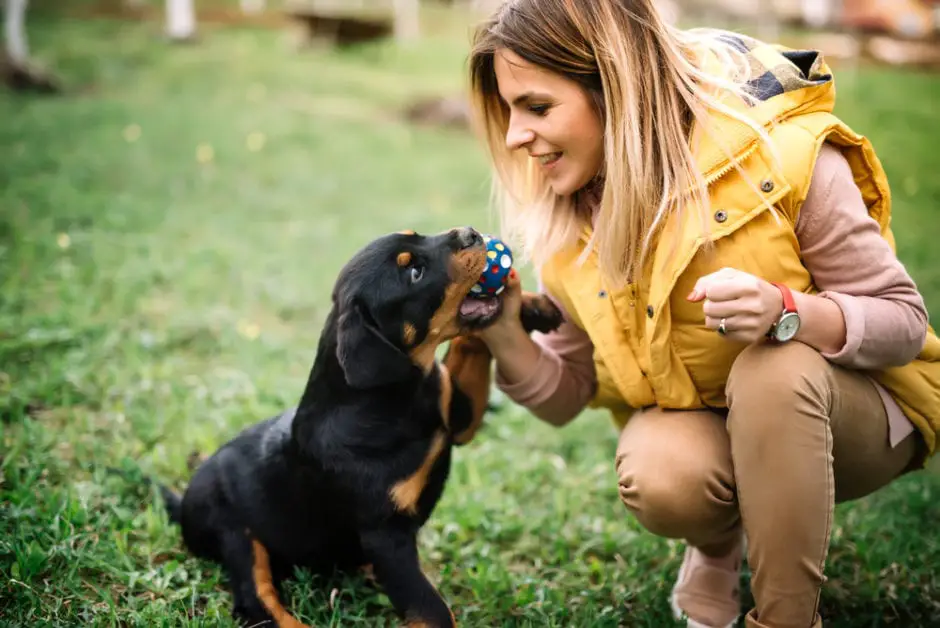
Begin with useful behaviors such as responding to a name, following a hand target, sitting comfortably or coming a short distance toward you. Pick a quiet setting and keep the lesson brief. Reward the moment your puppy succeeds so the connection is easy to understand.
For example, say the puppy’s name once. When they look toward you, mark that response with a cheerful word and offer a small reward. Practice a few easy repetitions, then stop. Avoid repeating the name constantly while the puppy is absorbed in something else.
Use rewards the puppy enjoys, including appropriate food, play or access to an interesting sniff. Account for food rewards when planning meals. Do not withhold normal food, water or comfort to force cooperation.
Reward-based teaching is the approach recommended in the American Veterinary Society of Animal Behavior’s training position statements. Hitting, frightening or physically overpowering a puppy is unnecessary and can undermine trust.
2. Make New Experiences Comfortable
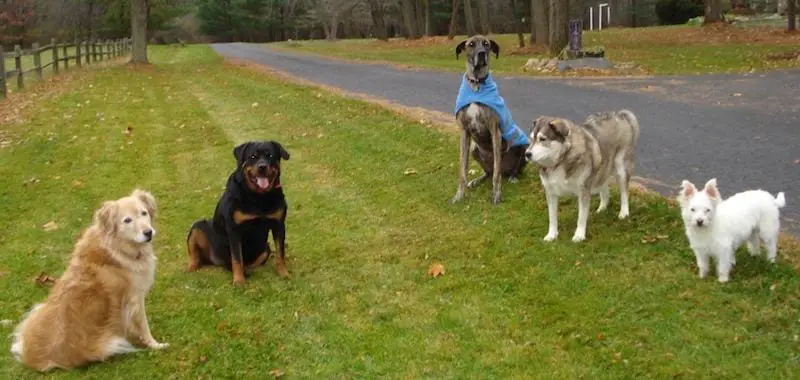
Socialization is not a requirement to greet every person or dog. It means helping a puppy experience everyday life without feeling overwhelmed. Watching a calm person from a comfortable distance may be a better lesson than being surrounded by visitors.
Introduce sights, sounds, surfaces and gentle handling in small steps. Let your puppy move away and give them time to recover. If they freeze, hide or repeatedly try to escape, increase distance or end the activity rather than pushing through.
Ask your veterinarian about local disease risks and appropriate outings during the vaccination period. A well-run puppy class should have suitable health requirements and reward-based instruction. Do not assume that either complete isolation or unrestricted visits to busy dog areas is the right choice.
Positive early experiences matter, but no training method guarantees a dog will always be comfortable in every situation. Continue observing the individual dog as they grow.
3. Keep the Household Consistent
Agree on the words and routines everyone will use. If jumping up sometimes earns attention and sometimes earns a scolding, the puppy receives a confusing lesson. Reward four paws on the floor and arrange greetings so the puppy can succeed.
Practice in easy places before adding distractions. A puppy who sits in the kitchen may not yet understand the same cue beside an exciting visitor. Make the situation simpler instead of assuming deliberate disobedience.
Include rest and quiet time in the day. More repetitions are not always better. Stop on an easy success, put tempting objects out of reach and supervise while habits develop. Our home-training guide explains how to fit practice into daily life.
4. Build a Predictable Toilet Routine
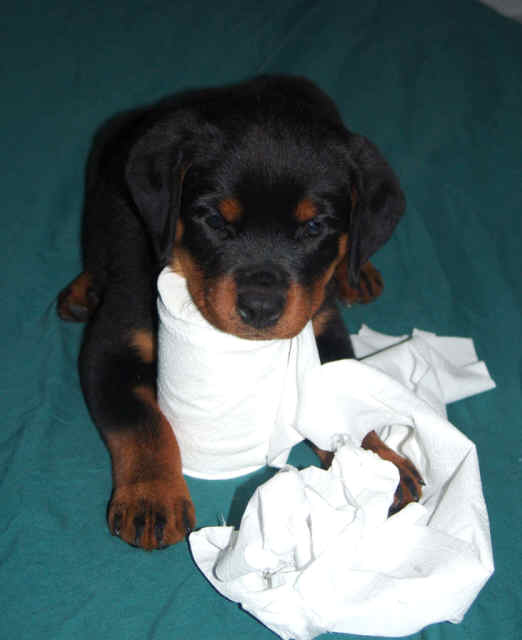
Offer frequent toilet opportunities, especially after waking, eating or active play. Go with your puppy to the chosen area and reward promptly after they finish. This is clearer than sending them outside alone and hoping they understand.
If nothing happens, return indoors for close supervision and try again soon. Do not leave the puppy outside indefinitely waiting for a result. Watch for sniffing, circling or moving away from an activity.
Clean accidents calmly. Punishment after the event does not explain where you wanted the puppy to go. Sudden changes, straining, discomfort or unusually frequent urination deserve veterinary advice rather than stricter training.
A comfortable resting area can support the routine, but confinement must match the puppy’s needs. See our gradual crate-training guide for an introduction that does not rely on ignoring distress.
Progress is rarely perfectly straight. Keep the next step achievable, notice improvements and seek qualified help early if you are struggling. A good foundation is built through repeated, understandable experiences—not through sternness.