Before getting a Rottweiler, think about the ordinary day you can offer: walks, training, time to rest, veterinary care and safe introductions to people. Their impressive appearance is easy to notice, but those daily commitments are what matter when you share a home.
This guide covers the practical questions prospective owners often ask. It is not a promise that every Rottweiler behaves the same way, and it does not replace advice from a veterinarian about an individual dog’s health or diet.
What Kind of Dog Is a Rottweiler?
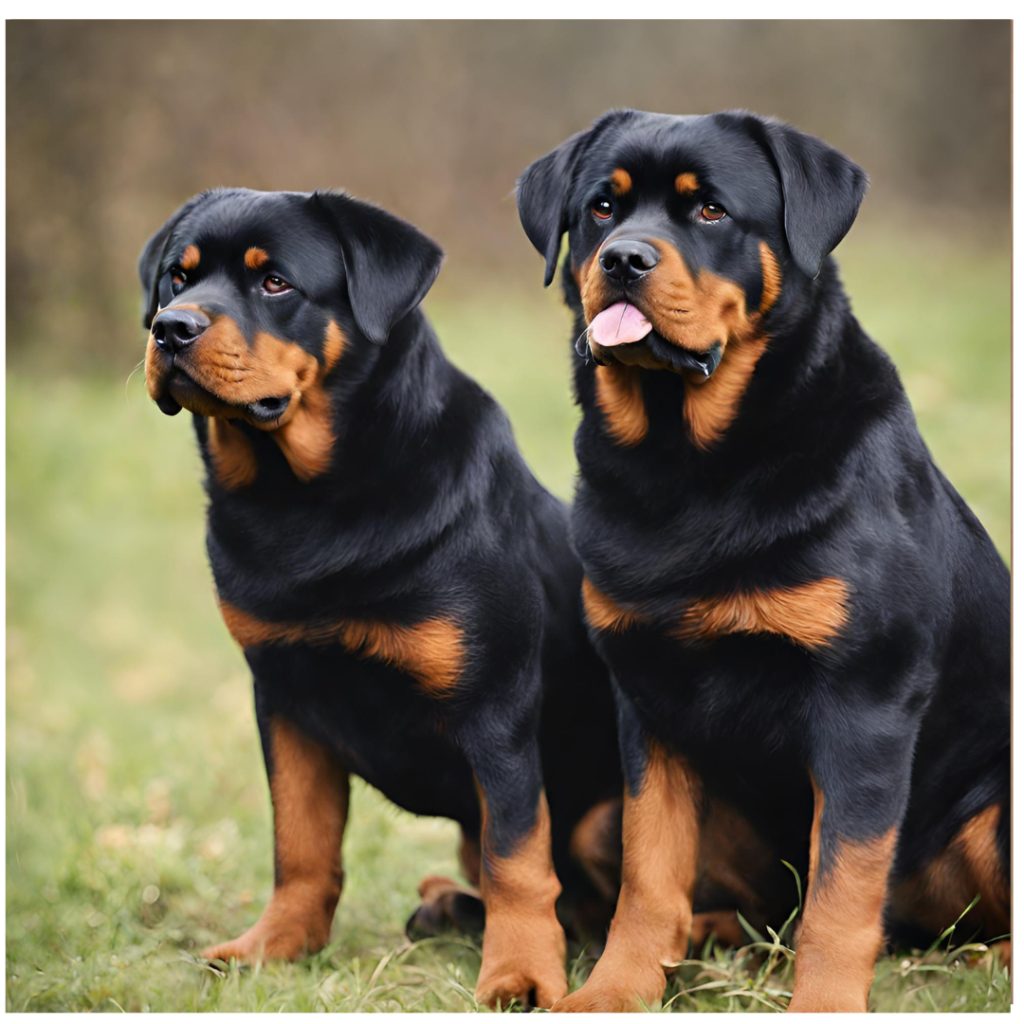
The Rottweiler is a large working breed with a black coat and clearly defined rust-to-mahogany markings. The AKC lists male height at 24–27 inches and female height at 22–25 inches at the shoulder. Size varies, and a heavier dog is not automatically a healthier or better example of the breed.
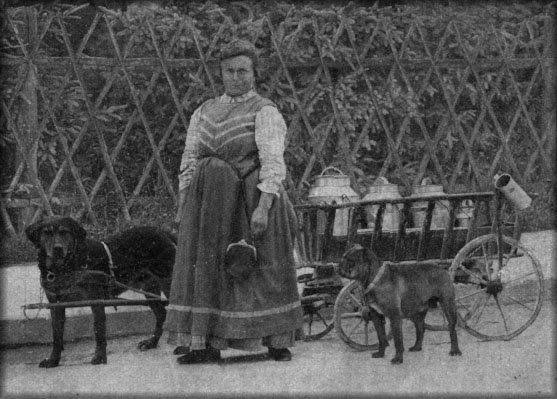
Their history includes cattle work around Rottweil in Germany. It does not justify sensational claims about fighting wild animals. A companion dog should be protected from dangerous confrontations, not valued for imagined combat ability.
For more background, our Rottweiler history and facts article separates documented examples from the myths that circulate online.
Temperament: Look at the Individual Dog
Rottweilers can be affectionate companions, but confidence, sociability and energy differ between dogs. A reserved dog is not necessarily unfriendly, and a friendly puppy does not arrive knowing household rules.
Ask about the specific dog’s behavior around visitors, other animals, handling and time alone. Do not assume the breed automatically makes a suitable service dog, therapy dog or protection dog. Those roles require individual suitability and appropriate training.
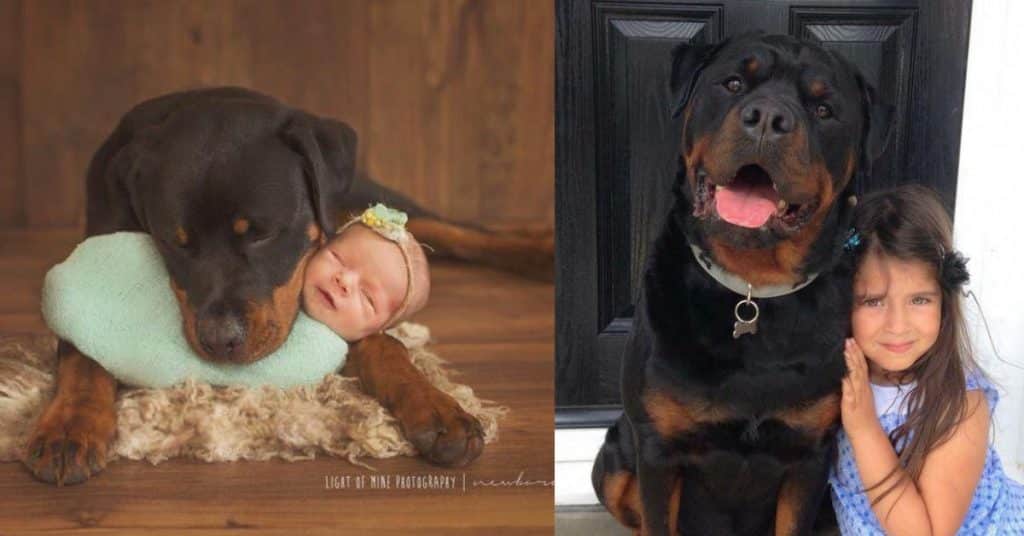
Families with children need active adult supervision and a way for the dog to rest undisturbed. Teach children not to climb on dogs, disturb them while eating or sleeping, or take items from their mouths. Size and strength make safe management important even when a dog is being playful.
Plan for Training From the Start
Begin with everyday skills: coming when called in an easy setting, walking on a lead, settling on a mat and exchanging an item willingly. Reward progress and make the task easier when your dog does not understand.
Socialization should help a dog feel comfortable with ordinary experiences, not force greetings or overwhelm them. Choose manageable distances and calm introductions. For puppies, discuss safe exposure and vaccination planning with your veterinarian and a qualified trainer.
A consistent household approach is useful. Agree on furniture rules, greeting behavior and who handles walks before problems develop. Our guide to common Rottweiler training mistakes explains how to avoid confusing cues and unrealistic expectations.
Exercise Should Fit Age, Fitness and Health
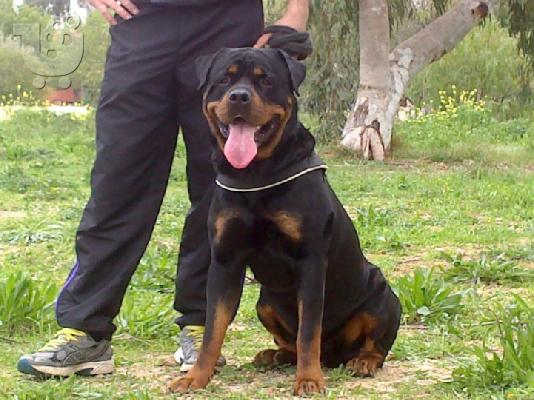
Rottweilers need regular opportunities for suitable activity, but a fixed rule such as “two hours for every dog” is not a sound individual plan. A growing puppy, a fit adult and an older dog with joint discomfort have different needs.
Combine appropriate walks with short learning sessions, sniffing and supervised play. Build up new activities gradually, provide breaks and adapt to heat and surface conditions. Ask your veterinarian before starting strenuous activity or if your dog has a health problem.
The AKC’s exercise guidance emphasizes age, health and energy level. Do not push through limping or obvious discomfort. Our Rottweiler activity ideas include quieter alternatives to constant running.
Feeding: There Is No Universal Number of Cups
Choose a complete and balanced food appropriate for your dog’s life stage. Growing large-breed puppies have specific nutritional needs, so ask your veterinarian to help select an appropriate diet rather than adding supplements or using an adult feeding plan by guesswork.
Portion size depends on the food’s calorie content and the dog’s condition, size, age, activity and health. Seven cups of one food may supply very different calories from seven cups of another. Package instructions are a starting point, not a substitute for monitoring your dog.
Measure portions, include treats in the day’s intake and review weight and body condition with your veterinary team. The AAHA nutrition and weight-management guidelines support an individualized nutritional assessment. The aim is appropriate condition and nutrition, not making your Rottweiler as large as possible.
Grooming and Routine Care
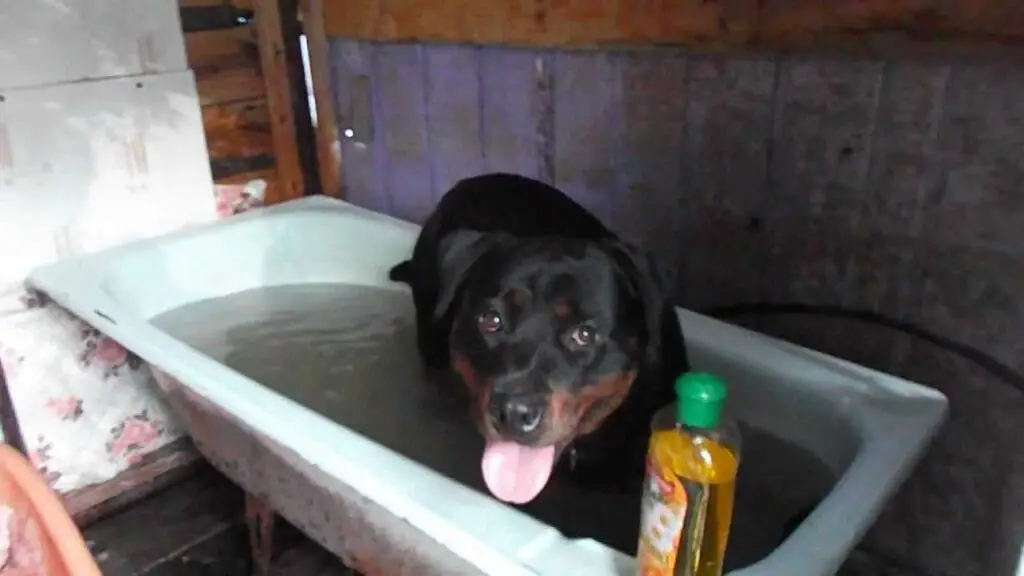
The short coat still sheds. Regular brushing helps remove loose hair, with more attention when shedding increases. Bathing frequency depends on the dog’s skin and activities; use a suitable dog shampoo and ask for advice if there is persistent itching, redness or odor.
Check nails regularly rather than relying on a rigid calendar. Introduce handling in small, comfortable steps and get help if nail care is difficult. Check ears as part of routine care, but do not put tools or products into them without appropriate guidance.
Dental care deserves its own routine. AAHA recommends daily toothbrushing as part of home oral care; it does not replace veterinary dental assessment and treatment. Use products intended for dogs and build cooperation gradually.
Ask About Health, Not Just Appearance
No breed is free of health risks. Rottweilers can develop orthopedic and other medical conditions, and a general breed article cannot tell you whether a particular dog is healthy.
When considering a puppy, ask to see the parents’ documented screening results rather than accepting “vet checked” as the whole answer. The American Rottweiler Club’s mandatory practices include hip, elbow, cardiac, eye and JLPP testing requirements. A routine examination and inherited-disease screening answer different questions; neither guarantees lifelong freedom from illness.
For an adopted dog, ask what records and assessments are available and what remains unknown. Arrange ongoing veterinary care, vaccinations and parasite prevention appropriate to your location and dog’s needs. Seek veterinary advice about persistent changes in appetite, mobility or behavior rather than attributing everything to breed temperament.
Choosing a Rescue or a Responsible Breeder
A thoughtful rescue or responsible breeder should be willing to discuss the individual dog and ask questions about your home. Neither a sales claim nor an appealing photograph is enough to establish a good match.
- Ask about health records, temperament and daily routines.
- Understand the agreement, support offered and what happens if the placement does not work.
- Avoid pressure to decide immediately or pay before your questions are answered.
- Check housing and insurance conditions before committing.
- Plan how existing pets will be introduced and managed.
Our Rottweiler adoption guide covers practical questions for a rescue placement. Take the same thoughtful approach when evaluating a breeder: transparency and the dog’s welfare matter more than dramatic claims about size or protection.
Budget Beyond the Purchase or Adoption Fee
Prices vary by location and organization, so an old online price range is not a reliable quote. Ask what a fee includes, then calculate recurring food, preventive care, training, equipment and care when you travel. Have a plan for unexpected veterinary expenses too.
A larger house does not automatically make a better home. More important questions are whether you can provide appropriate activity, secure management, rest and reliable care. A good decision is one you can sustain after the excitement of bringing the dog home has passed.