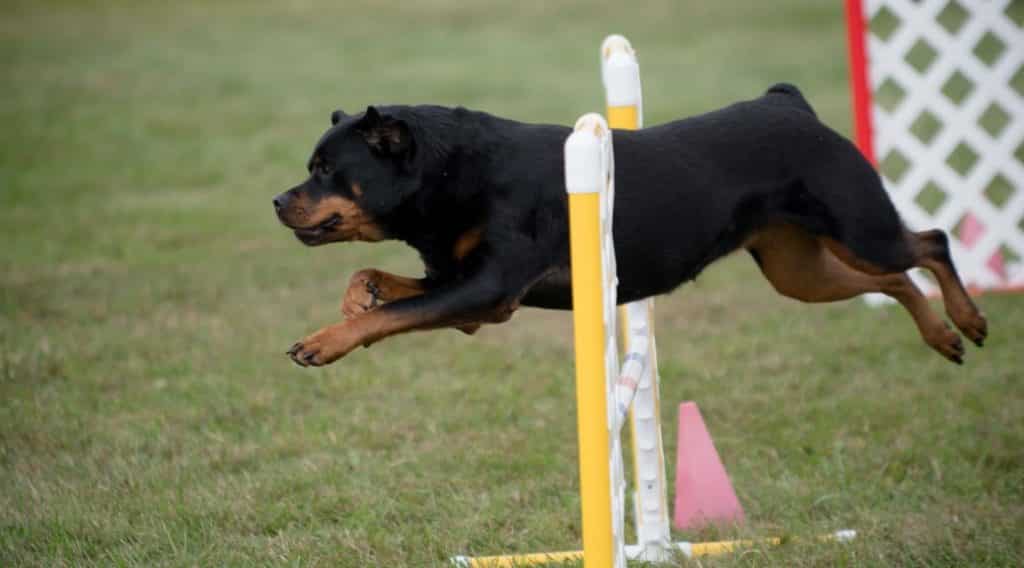
Rottweiler agility training can be an enjoyable shared activity when it suits the dog. The potential benefits include learning new skills, practicing communication and adding variety to exercise. It is not a treatment for aggression or a guarantee of confidence, and not every dog needs to take part.
Before enrolling, consider your dog’s health, maturity and comfort around a class environment. A good instructor should help you find an appropriate starting point rather than sending every beginner straight onto demanding equipment.
A Chance to Practice Communication
Agility asks you to guide your dog through tasks with clear information. Foundation lessons can help you notice your timing, reward choices and body language. Those lessons are useful even if you never compete.
Keep expectations modest at first. A dog learning to follow a simple direction in a quiet space is making progress. Speed and complicated sequences can wait until the basics are understood.
Variety Without Endless Repetition
New tasks can make training interesting, but variety should not mean changing everything at once. Introduce one manageable challenge, reward success and allow breaks. Watch whether your dog is still participating willingly.
Agility does not replace ordinary walks, rest or opportunities to sniff. It is one possible part of a balanced routine. Our home-training guide offers quieter activities for days when equipment practice is not suitable.
Physical Activity Requires Readiness
Jumping, weaving and contact equipment involve physical demands. Ask your veterinarian about suitability, especially for a growing puppy, an older dog or one with a history of injury. Do not use enthusiasm alone as proof of readiness.
The AKC’s puppy agility guidance separates foundation skills from demanding obstacles. Puppies can learn useful basics without full-height jumps or closed weaves. A qualified instructor can help select appropriate exercises.
Confidence Comes From Manageable Experiences
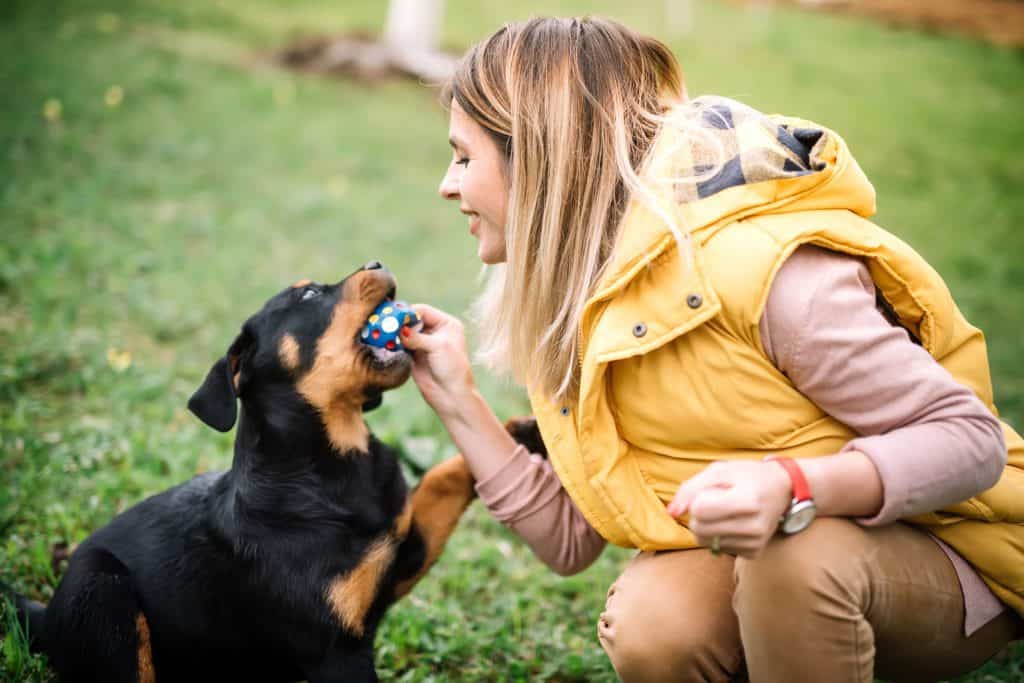
Successfully learning an easy task may help a dog become more comfortable with that task. It does not mean a shy dog will automatically enjoy a busy class or become confident everywhere.
If your dog hesitates, allow space and make the exercise easier. Do not push or pull them through equipment. Fearful or reactive behavior may need separate professional support rather than more obstacle practice.
Choose the Class Carefully
Ask whether the instructor uses reward-based methods, assesses beginners individually and offers suitable foundation work. Look for well-maintained equipment, safe spacing and a plan for dogs to rest away from one another.
Observe a session if possible. You should see instruction that helps dogs understand, not repeated pressure to perform. Ask what happens if your dog needs a break or cannot complete an exercise.
Make Enjoyment the Main Test
Stop when your dog becomes tired, uncomfortable or overwhelmed. Persistent changes in movement need veterinary attention. A successful session can be short and simple; there is no benefit in finishing a course at the expense of comfort.
For setup considerations, see our beginner obstacle-training guide. If agility is not a good fit, choose another shared activity. The goal is a rewarding routine for both of you, not participation at any cost.