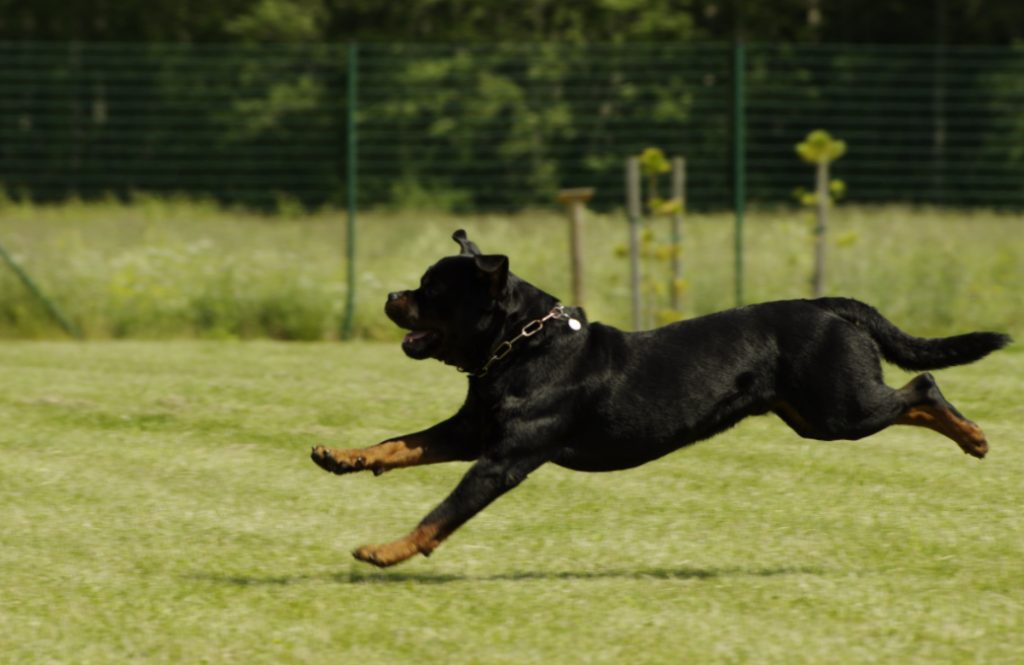
Training Your Rottweiler at Home

Rottweilers are widely recognized for their intelligence and eagerness to learn. By dedicating time to socialize and train your puppy, you can help them develop their qualities. The presence of a Rottweiler as a friend can bring immense joy and fulfillment into your life. It’s important to note that Rottweiler puppies naturally showcase their abilities at a tender age, so starting training early is highly beneficial.

In this guide, we will delve into the aspects that should be considered while training a Rottweiler as they play a role in nurturing their growth and ensuring they become happy little companions with fur.

Dog training essentials

Here are some tools you need for dog training:

  • A collar and identification tag: Doing so is required by law in several places, including the United States. If your Rottie were to go on an adventure without you, you would want them returned to you, and the tag is very crucial for this.
  • A well-fitted harness: Your Rottweiler puppy may grow up to be as strong as the Hulk, but a properly fitted harness will make walks much more pleasant for both of you.
  • A water bowl and a food bowl: Your puppy needs access to clean water around the clock and should eat at least some of its meals out of these containers.
  • A 2-meter-long training leash with rings for length customization: They are also useful for having both hands free while strolling. You can wave to the neighbors and comfortably log in to your favorite online site to check the progress of your bitcoin casino jackpot wager.
  • Puppy treats: Using treats as positive reinforcement is a great way to effectively train your dog. It would be a good idea to get a variety of options to find out what your Rottie likes most. If they are still young, it’s best to cut the pieces into smaller sizes.
  • Create or playpen: Puppy-proofing your home will keep your puppy safe, as they tend to get into places and things they shouldn’t. A playpen can also help provide your puppy with a secure, familiar space where it can rest and relax.
  • Toys: Your Rottie will like some tough tug toys. ‘Ruff’ play with toys is a favorite pastime of theirs.

Considerations Before Beginning Rottweiler Training

Here are some important things to think about before you start training:

  • Avoid pushing your dog too hard. Your meetings with the little guy should be quick and effective. His day can only hold so much because of his limited focus and energy. Therefore, sessions should stay at under 20 minutes each time.
  • Your Rottweiler has fears. Rotties are also living things, just like ourselves. Sometimes, it’s hard to get things done because we’re afraid of failure. Dogs are the same way. Consider these worries, and do your best to help her overcome them.
  • Dogs are environmental learners. Provide your Rottie with a warm environment and exciting excursions to keep him full of life and enthusiasm.
  • Have patience. Be as helpful as possible by showing patience and acknowledging your Rottie’s hard work.
  • Maintain consistency. The importance of consistency in dog training cannot be overstated. Spending more time with your Rottie will yield better results. Shorter sessions are great, but consistency is key.

Key training tips

1. Start early

It’s ideal to start training a puppy when they are between 6 weeks and 6 months old. So, as soon as you bring your Rottie home, begin their training. If you have an older Rottweiler, keep in mind that training an older Rottie will require extra attention. But this shouldn’t dampen your spirits.

The Rottweiler has earned a reputation as a brilliant, compliant, and devoted pet. Don’t give up if your Rottweiler is older and untrained; they only want to make you happy. Training a dog of any age is possible with the help of positive reinforcement methods and good dog communication.

2. Take on a positive training approach

If you want your dogs to behave better, you need not exert any form of power over your pets, only love and patience. There are several positive methods for shaping a well-behaved Rottweiler without resorting to physical punishment. Aggression toward your dog is never acceptable. You’re going about training all wrong if you think beating your dog would establish your dominance.

3. Socialize your Rottie

You want your Rottweiler to be friendly and outgoing towards both humans and other dogs. You can help them improve these skills by inviting friends over to your place, going for walks with your Rottie, or spending quality time at the nearby park. Socializing your puppy is incredibly important because how they interact with other dogs and people will greatly influence their development.

Through these encounters, he gains confidence, so if you care about your Rottweiler’s happiness and overall development, it’s essential to prioritize socialization over dog training.

Once your dog knows specific commands, you can distract it with sit, down, or paw. Since dogs are easily distracted and have a short attention span, these techniques can be useful in training them to behave well in social situations.

Conclusion

Research more on the topic of Rottie training, take your dog’s needs into account, and then follow the tips given above. After you’ve finished all of that, training a dog will be a breeze!

Must-read

Top 10 Foods That Are Toxic to Dogs

As beloved companions, dogs hold a special place in many homes. However, it's crucial for dog owners to understand the potential hazards lurking in...

Puppy and Dog Vaccinations: A Schedule for Every Life Stage

Introduction to Dog Vaccinations Vaccinations are a vital aspect of canine healthcare, ensuring dogs remain protected against various infectious diseases. Regular vaccination not only safeguards...

The German Rottweiler: All You Need to Know

If you're a proud Rottweiler owner, you’ve likely encountered the self-proclaimed "Rottweiler expert" who stops you mid-walk with this question: “Is that a German...

10 Common Dog Health Problems and How to Prevent Them

Dogs bring joy and companionship to our lives.Understanding common dog health problems is crucial for every dog owner. It helps in ensuring a long, happy life for your pet. Some health issues are common across all breeds. Others are specific to certain breeds like Pomeranians and Havanese. Regular veterinary check-ups are essential. They help in early detection and prevention of potential health issues. Dental disease, obesity, and ear infections are among the most common problems. These can often be prevented with proper care. Skin allergies, parasites, and heartworm disease also pose significant risks. Preventive measures can greatly reduce these threats. Proper nutrition, exercise, and grooming play vital roles in maintaining your dog's health. This guide will explore these issues and offer practical tips for prevention. Understanding Dog Health: Why Prevention Matters Prevention is at the heart of maintaining a healthy and happy dog. It stops small problems from becoming big issues. Regular veterinary visits are key. These check-ups can catch illnesses early before they grow worse. Preventive care involves several important practices, such as: Vaccinations to avoid infectious diseases. Parasite control to fend off fleas, ticks, and worms. Regular dental care to keep teeth and gums healthy. A focus on prevention can save you money in the long run. Treating health issues is often more expensive than preventing them. Additionally, a well-cared-for dog lives a longer and more fulfilling life. Good health contributes to their mental and physical well-being. It's important to be proactive about your dog's health. Using preventive measures ensures a vibrant life for your furry friend. Most Common Dog Health Problems Dogs face a variety of health challenges over their lifetimes. Awareness of these common issues can help owners be proactive. Early detection often results in better outcomes. Some prevalent health problems include: Dental disease, a significant concern affecting many dogs. Obesity, which is increasingly common and impactful. Ear infections, especially in breeds with floppy ears. Recognizing these problems early can lead to faster interventions and less suffering for your dog. Regular veterinary check-ups and diligent home care are essential components. Addressing these issues promptly ensures your dog’s healthy lifestyle continues. 1. Dental Disease Dental disease is a widespread concern for dogs. By age three, over 80% of dogs show signs of dental issues. Problems range from gingivitis to periodontal disease, impacting your dog’s overall health. Key signs of dental disease include: Bad breath Inflamed gums Difficulty chewing Ignoring dental health can lead to serious complications. Infections can spread from the mouth to other organs, causing severe damage. Regular cleaning and veterinary check-ups can prevent most dental issues. Establishing a routine for brushing your dog's teeth is crucial. Use dog-specific toothpaste and a suitable toothbrush. Dental treats and toys can also help reduce tartar buildup. 2. Obesity Obesity is a growing problem in the canine...

Caring for Your New Rottweiler Puppy

Bringing a new Rottweiler puppy into your home is an exciting time. These adorable bundles of joy are full of energy and curiosity. However, owning...

Understanding the Rottweiler Breed Standard Guidelines

The Rottweiler breed is known for its robust physique and distinctive black and tan coat. But what defines a true Rottweiler? The answer lies in...
1,530,000FansLike
219,000FollowersFollow
3,557FollowersFollow
223,000FollowersFollow
9,131FollowersFollow
460,000SubscribersSubscribe

Recent articles

More like this