Red Rottweiler Learn About This Gorgeous Rare Rottweiler Coat Color

[ai_post_generator_toc]

The Red Rottweiler is a wonderful breed of dog that has become increasingly popular in recent years. It is a large, powerful breed that is intelligent, loyal, and devoted to its family. It is also known for its strong protective instincts and can make an excellent guard dog. The Red Rottweiler is a wonderful pet for those looking for a loyal and loving companion.

Red Rottweiler
Red Rottweiler

History of the Red Rottweiler

The Red Rottweiler is a descendant of the ancient Roman drover dog, the Rottweiler. This breed was used to drive cattle and guard property and was known for its immense strength, intelligence, and loyalty. The Red Rottweiler is a relatively new color variation of the Rottweiler and was developed in the early 2000s. This variation is not recognized by the American Kennel Club (AKC) as a separate breed but is becoming increasingly popular.

Characteristics of the Red Rottweiler

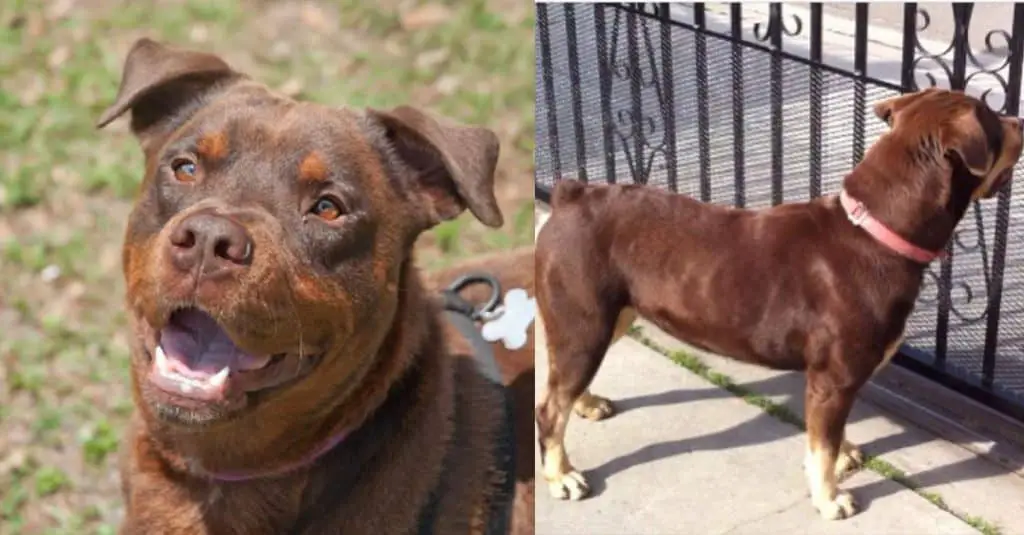
The Red Rottweiler is a large, muscular dog with a powerful body and a medium length coat. Its coat is usually red and rust in color and has a glossy sheen. Its head is broad and wedge-shaped with a black nose, dark eyes, and medium size ears that hang down. The Red Rottweiler has a strong, confident personality and is very loyal and devoted to its family. It is an intelligent breed that is easy to train and is excellent at learning tasks.

Health Concerns of the Red Rottweiler

The Red Rottweiler is generally a healthy breed but can be prone to certain health concerns. These include hip and elbow dysplasia, eye diseases, and heart problems. It is important to ensure that the Red Rottweiler is fed a high-quality diet and gets regular exercise. Regular vet visits can also help to identify any potential health concerns early.

Training and Care Requirements

The Red Rottweiler is a highly intelligent breed and is relatively easy to train. It is important to start training at an early age and to be consistent. Positive reinforcement and reward-based training can be effective. The Red Rottweiler also needs plenty of exercise and should be taken for walks daily. Grooming is also important and should include brushing and bathing as needed.

Suitable Families for the Red Rottweiler

The Red Rottweiler is an excellent family pet and gets along well with children. It is a loyal and devoted breed that bonds closely to its family and is eager to please. However, this breed is large and powerful and requires an experienced owner who can handle it properly. It is also important to provide the Red Rottweiler with plenty of exercise and mental stimulation to prevent it from becoming bored and destructive.

Conclusion

The Red Rottweiler is an intelligent and loyal breed that makes an excellent family pet. It is important to provide it with plenty of exercise and mental stimulation to prevent it from becoming bored and destructive. It is also important to be consistent when training and to provide regular vet visits to ensure its health and wellbeing. With the right care and training, the Red Rottweiler can be an amazing companion.

Must-read

Top 10 Foods That Are Toxic to Dogs

As beloved companions, dogs hold a special place in many homes. However, it's crucial for dog owners to understand the potential hazards lurking in...

Puppy and Dog Vaccinations: A Schedule for Every Life Stage

Introduction to Dog Vaccinations Vaccinations are a vital aspect of canine healthcare, ensuring dogs remain protected against various infectious diseases. Regular vaccination not only safeguards...

The German Rottweiler: All You Need to Know

If you're a proud Rottweiler owner, you’ve likely encountered the self-proclaimed "Rottweiler expert" who stops you mid-walk with this question: “Is that a German...

10 Common Dog Health Problems and How to Prevent Them

Dogs bring joy and companionship to our lives.Understanding common dog health problems is crucial for every dog owner. It helps in ensuring a long, happy life for your pet. Some health issues are common across all breeds. Others are specific to certain breeds like Pomeranians and Havanese. Regular veterinary check-ups are essential. They help in early detection and prevention of potential health issues. Dental disease, obesity, and ear infections are among the most common problems. These can often be prevented with proper care. Skin allergies, parasites, and heartworm disease also pose significant risks. Preventive measures can greatly reduce these threats. Proper nutrition, exercise, and grooming play vital roles in maintaining your dog's health. This guide will explore these issues and offer practical tips for prevention. Understanding Dog Health: Why Prevention Matters Prevention is at the heart of maintaining a healthy and happy dog. It stops small problems from becoming big issues. Regular veterinary visits are key. These check-ups can catch illnesses early before they grow worse. Preventive care involves several important practices, such as: Vaccinations to avoid infectious diseases. Parasite control to fend off fleas, ticks, and worms. Regular dental care to keep teeth and gums healthy. A focus on prevention can save you money in the long run. Treating health issues is often more expensive than preventing them. Additionally, a well-cared-for dog lives a longer and more fulfilling life. Good health contributes to their mental and physical well-being. It's important to be proactive about your dog's health. Using preventive measures ensures a vibrant life for your furry friend. Most Common Dog Health Problems Dogs face a variety of health challenges over their lifetimes. Awareness of these common issues can help owners be proactive. Early detection often results in better outcomes. Some prevalent health problems include: Dental disease, a significant concern affecting many dogs. Obesity, which is increasingly common and impactful. Ear infections, especially in breeds with floppy ears. Recognizing these problems early can lead to faster interventions and less suffering for your dog. Regular veterinary check-ups and diligent home care are essential components. Addressing these issues promptly ensures your dog’s healthy lifestyle continues. 1. Dental Disease Dental disease is a widespread concern for dogs. By age three, over 80% of dogs show signs of dental issues. Problems range from gingivitis to periodontal disease, impacting your dog’s overall health. Key signs of dental disease include: Bad breath Inflamed gums Difficulty chewing Ignoring dental health can lead to serious complications. Infections can spread from the mouth to other organs, causing severe damage. Regular cleaning and veterinary check-ups can prevent most dental issues. Establishing a routine for brushing your dog's teeth is crucial. Use dog-specific toothpaste and a suitable toothbrush. Dental treats and toys can also help reduce tartar buildup. 2. Obesity Obesity is a growing problem in the canine...

Caring for Your New Rottweiler Puppy

Bringing a new Rottweiler puppy into your home is an exciting time. These adorable bundles of joy are full of energy and curiosity. However, owning...

Understanding the Rottweiler Breed Standard Guidelines

The Rottweiler breed is known for its robust physique and distinctive black and tan coat. But what defines a true Rottweiler? The answer lies in...
1,530,000FansLike
219,000FollowersFollow
3,557FollowersFollow
223,000FollowersFollow
9,131FollowersFollow
460,000SubscribersSubscribe

Recent articles

More like this