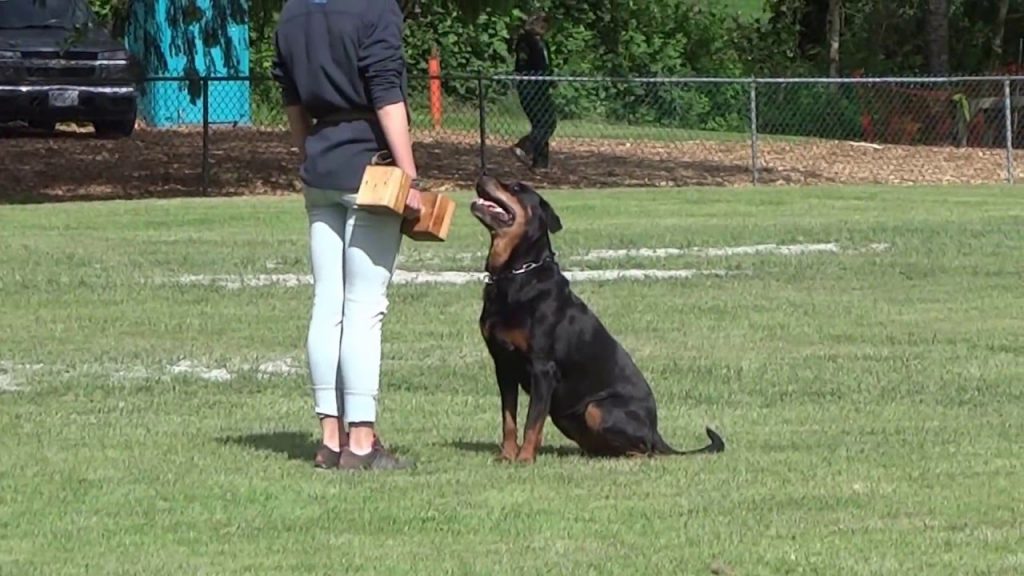
Rottweiler clicker training is a way to tell your dog exactly which action earned a reward. The click is not a command to sit, lie down or lift a paw. It marks something your dog has just done, and a reward follows.
That small distinction makes the lesson much clearer. Instead of clicking and hoping your dog guesses what comes next, choose one behavior, watch for it and mark the right moment.
Start With a Marker Your Dog Understands
A clicker produces a brief, consistent sound. You can also use a short marker word such as “yes.” Introduce the marker by pairing it with a small reward in a quiet setting, without asking for a complicated task.
When you begin teaching, mark the action you want and then deliver the reward. For example, click as your dog sits, not after they have stood up again. The AKC’s mark-and-reward guide explains how this timing connects the action with its consequence.
Keep rewards ready and your setup simple. If coordinating a clicker, treats and a leash feels awkward, practice your hand movements without the dog first.
Capturing: Notice a Behavior That Happens Naturally
Capturing means rewarding a behavior your dog offers without a physical prompt. You might notice your Rottweiler settling on a mat or turning toward you. Mark that moment and reward it.
Choose an action that is easy to recognize. “Be good” is too vague for a training plan; “stand with four feet on the floor” gives you something specific to notice. Avoid waiting for a long, polished performance at the beginning.
Luring: Guide, Then Fade the Food Prompt
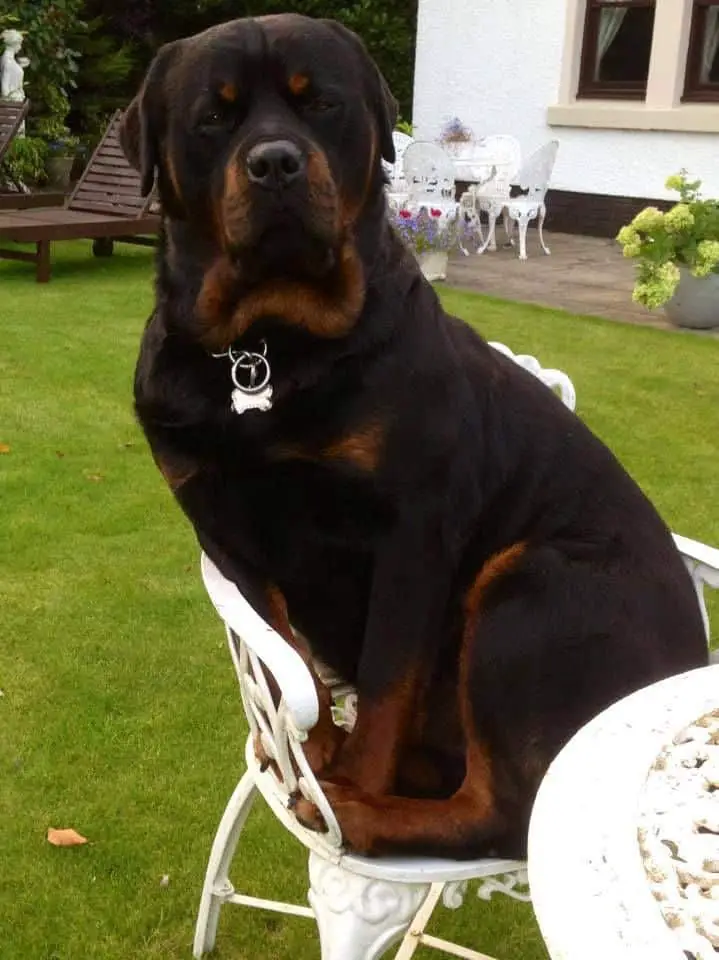
A lure helps your dog follow a movement. For a comfortable dog learning a down, you can slowly guide a treat from the nose toward the floor. Mark when the desired position happens, then reward. Do not push the dog into place.
Once the movement is understood, work toward the same hand signal without food visibly held in it, rewarding afterward. Otherwise, your dog may learn to wait until they see the treat. The AKC’s lure-and-reward tips cover moving beyond that initial food prompt.
Stop if your dog seems uncomfortable with the position. A training exercise should not require repeatedly asking through apparent pain or difficulty moving.
Shaping: Build the Task in Small Steps
Shaping rewards progress toward a behavior. For a mat exercise, an early step could be looking toward the mat, followed by moving closer and then placing a paw on it. Make each new requirement manageable rather than expecting the entire task immediately.
If your Rottweiler stops offering anything, the next step may be too large. Return to something they can succeed at and adjust your plan. Karen Pryor Clicker Training’s introductory guide describes these different ways to develop behavior.
Add a Cue Once the Action Is Predictable
A cue tells the dog which behavior you are asking for; a marker identifies the successful response. Say your chosen cue before the action, then mark and reward when it happens. These are separate jobs.
Use the same word or hand signal consistently. Repeating a new word while clicking at random does not explain it. Give your dog time to respond, and simplify the exercise if they are confused.
Keep Your First Session Easy to Follow
- Pick one small skill in a quiet room.
- Have suitable rewards ready before you start.
- Mark the precise action, then reward.
- Pause before frustration builds.
- Finish with a clear break rather than endless repetitions.
Review our Rottweiler training mistakes guide if your timing or expectations need adjusting. For an example of putting a vocal behavior on cue, see teaching speak and quiet.
A clicker is a communication tool, not a shortcut around practice. Clear steps and a dog who is comfortable participating matter more than getting a perfect result in one session.