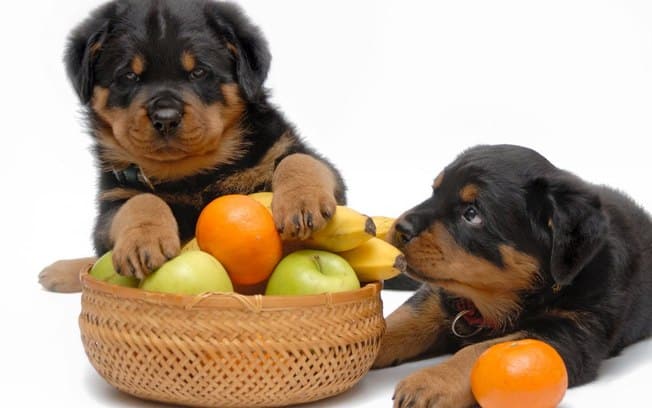
Fruit and vegetable treats for Rottweilers are best kept simple. A small piece of suitable produce can add variety to a reward routine, but “natural” does not mean safe in any amount. The food, its preparation and your dog’s health all matter.
Think of this as a kitchen checklist rather than a recipe for a complete meal. There is no need to introduce a long list of foods, and you do not have to find a fruit your dog likes. Familiar training rewards are perfectly reasonable too.
Choose one plain food to try
Small pieces of apple with the seeds and core removed, a little peeled banana, or a few blueberries are possible occasional treats for many healthy dogs. Cantaloupe flesh is another option after removing the rind and seeds. The AKC’s produce guide lists these foods for moderate servings.
Do not introduce all of them at once. Choose one, offer a small amount and note how your dog tolerates it. A colorful fruit bowl looks appealing to us, but it makes it harder to identify which new food caused a problem.
Prepare vegetables separately from your meal
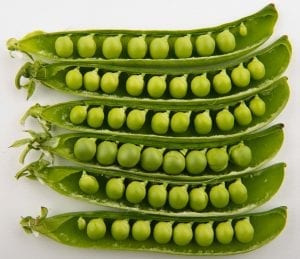
Carrot, plain green beans and a few shelled peas are options to consider. Set a small portion aside before adding sauces or seasonings for the family. Our vegetable preparation guide covers five choices in more detail, including cooked sweet potato and plain pumpkin.
Wash produce, discard spoiled pieces and cut servings to suit your dog’s eating habits. A large Rottweiler can still gulp a piece that is difficult to swallow. Supervise snacks, and do not turn feeding into a competition with another dog.
Count snacks as part of the daily food
Fruit and vegetables still contain calories. A low-calorie option does not mean an unlimited portion, and treats given by several people add up quickly. Keep a shared note or prepare one daily reward container so everyone can see what remains.
AAHA’s general guideline is to keep treats within 10% of daily calories. Most nutrition should come from your dog’s suitable complete diet. If you are unsure how that translates to portions, ask your veterinary team rather than estimating from your dog’s size alone.
Skip foods with hidden extras
A plain ingredient and a prepared dish are not interchangeable. Fruit in syrup, sweetened spreads, seasoned vegetables and mixed leftovers may contain ingredients you would never offer individually. Read labels every time rather than relying on the product’s name or packaging.
Keep grapes and raisins away from dogs, and do not give onion or garlic. Check mixed dried fruit carefully. If your Rottweiler eats a potentially toxic food, contact a vet promptly with the packaging, estimated amount and time of ingestion. Do not wait for symptoms or attempt a home remedy.
Do not use produce as medicine
Fruit does not replace fresh drinking water or treatment for dehydration. Likewise, pumpkin is not a reliable answer to every episode of diarrhea, and cranberries are not a substitute for investigating urinary symptoms. Avoid promises that a snack will prevent cancer, cleanse toxins or fix blood pressure.
Persistent digestive upset, unusual thirst, urinary difficulties or a dog that seems unwell deserve veterinary advice. Dogs on prescribed diets or undergoing food-allergy trials may need to avoid even otherwise suitable treats. Ask before adding anything that could interfere with their plan.
Keep rewards practical
The best treat is one your dog enjoys, can safely eat and tolerates well within their feeding plan. Prepare small portions, keep them fresh and stop offering a food that causes trouble. If begging is becoming a habit, work on calmer mealtime behavior instead of constantly changing snacks. Variety is optional; a consistent, sensible routine is what makes treats manageable.