

Bringing home a rescue Rottweiler is a significant change for the dog and the household. A thoughtful transition starts before collection day, with honest information, practical arrangements and realistic expectations. You do not need to prove that love will solve every difficulty. You need a plan that can adapt to the individual dog.
Dogs enter rescue for many reasons, and their histories may be incomplete. Avoid assuming that every dog was abused or that every previous owner was careless. Focus on what is known now and what support the dog needs next.
Ask for the Current Routine
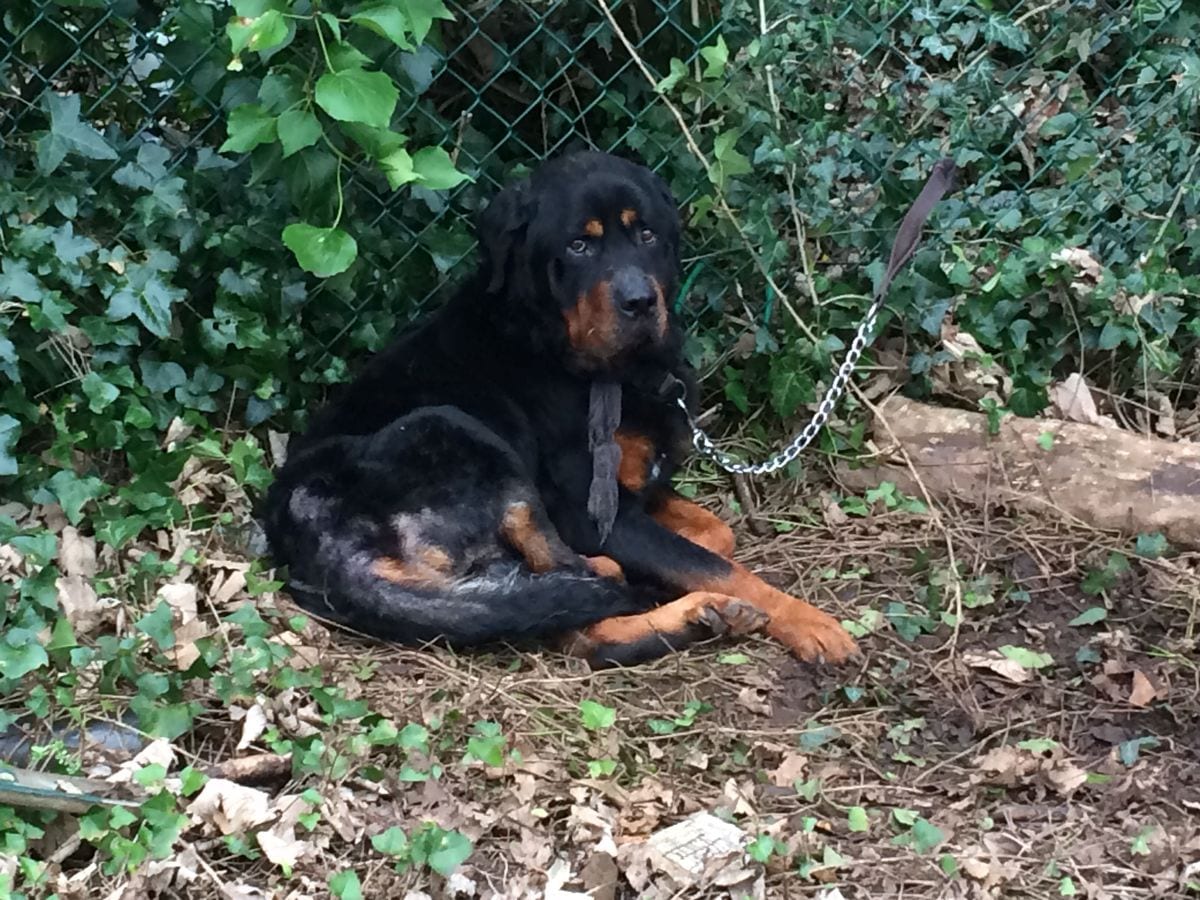
Ask the rescue about food, walks, sleep, handling and time alone. Find out what behavior has been observed in foster care or at the shelter and which situations remain unknown. Specific details are more useful than descriptions such as friendly or loyal.
Request available health records and medication instructions. Clarify who to contact if a concern arises, and read the adoption agreement before collection. Understand the rescue’s support and return arrangements without treating questions as a sign of failure.
Prepare a Quiet Arrival
Set up a comfortable resting area and secure the home before the dog arrives. Check doors, fencing and walking equipment. Plan transport and keep the first day manageable rather than inviting everyone to meet the new dog at once.
Give the dog opportunities to explore at a comfortable pace. Show the toilet area and offer rest. A new home brings unfamiliar smells, sounds and people; a quiet beginning can make it easier to observe what your dog needs.
Introduce the Household Carefully
Plan introductions with the rescue’s guidance, particularly where children or other animals are involved. Use safe separation where needed and do not force contact. Each animal should have somewhere to rest without interruption.
Adults need to supervise interactions with young children actively. A friendly introduction does not remove that responsibility. Our family-safety guide covers practical boundaries.
Build Predictable Habits

Keep meals, toilet opportunities and walks reasonably predictable while learning the dog’s preferences. Start training with easy, rewarded behaviors rather than testing how much obedience the dog already knows.
Do not assume a newly adopted dog can immediately manage long absences. Arrange support and build comfortable time alone gradually. Our home-training guide provides simple exercises that can fit into the day.
Observe Without Inventing a Backstory
A dog who avoids an object is not necessarily revealing a past trauma. Record what happened, the surroundings and the response rather than deciding on a cause from one event. This makes discussions with the rescue, vet or trainer more useful.
Behavior can change as a dog settles. There is no fixed timetable that tells you when every dog should feel at home. Adjust expectations and seek help when difficulties persist instead of waiting for a particular week to arrive.
Use Support Early
Contact your veterinarian about health concerns, sudden behavior changes or signs of pain. Ask the rescue for recommended qualified behavior support when needed. Do not use intimidation to make a worried dog comply.
If the arrangement is not safe or workable, discuss options promptly and honestly. Responsible decisions protect both the dog and the people involved. A successful transition is built through observation, support and suitable care—not through guilt or promises of an instant lifelong bond.