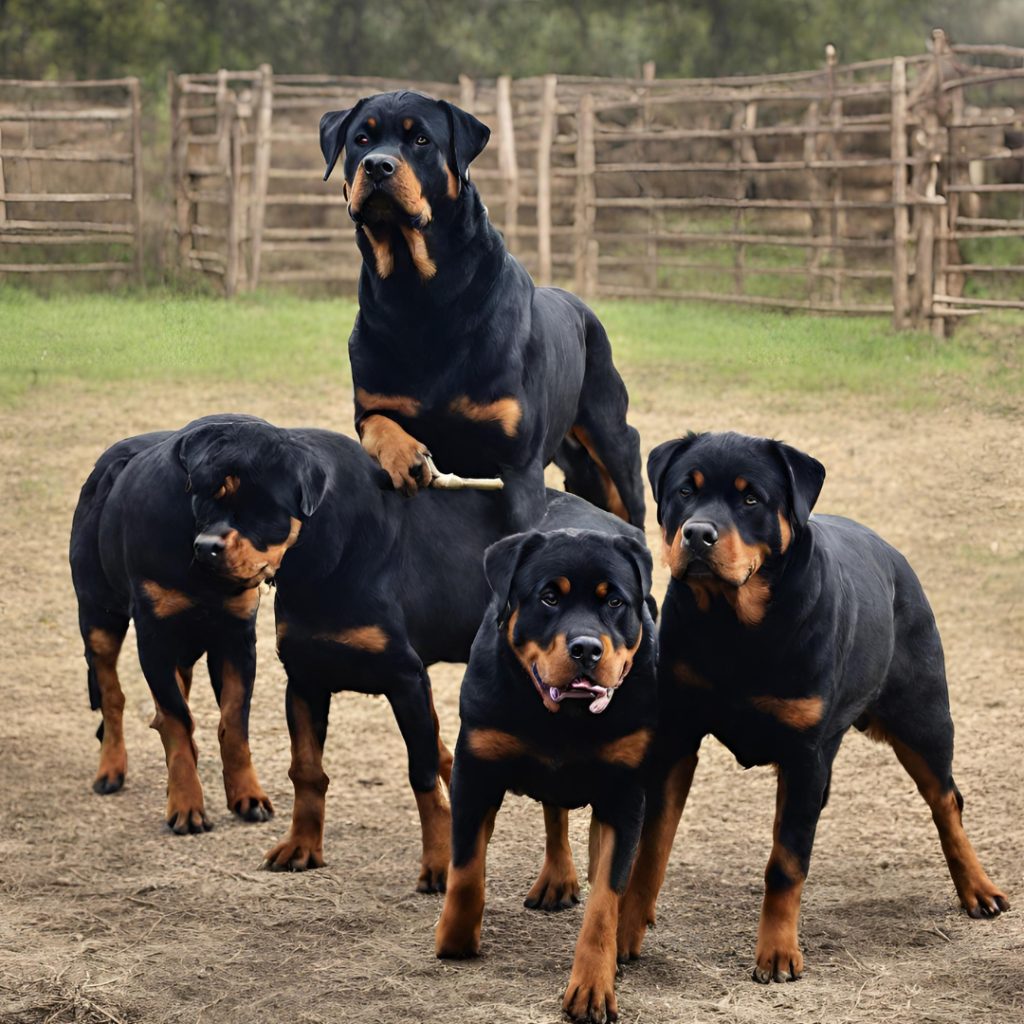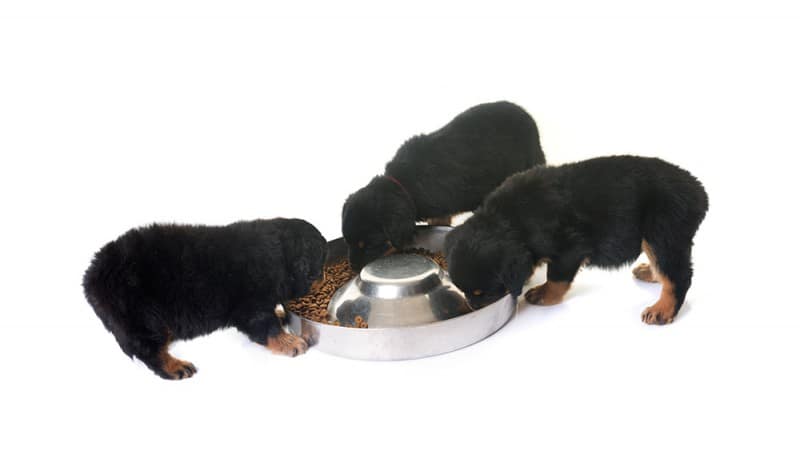
Rottweiler puppy diet mistakes often begin with good intentions: an extra scoop to help a puppy grow, a calcium supplement for stronger bones, or a homemade topping that gradually becomes half the meal. A growing Rottweiler needs a suitable, balanced diet—not a contest to produce the biggest puppy.
The useful question is not which ingredient sounds most impressive. It is whether the whole feeding plan suits your puppy’s growth, body condition and health. Here are the habits worth checking before changing the bowl.
1. Choosing adult food too early
A puppy can look almost adult while still growing. Do not use size alone to decide when to switch diets. Ask your vet when the transition makes sense for your dog, and choose food suitable for large-breed growth in the meantime.
The nutritional adequacy statement tells you more than a picture of a puppy on the bag. In the United States, check that the statement includes growth of large-size dogs rather than excluding it. A treat or complementary food is not a replacement for a complete diet.

2. Treating the feeding chart as a fixed prescription
The package gives you a starting point, not a lifelong instruction. Record the amount you actually serve, including rewards used during training. Measuring by weight can make portions easier to repeat than an overflowing scoop.
Bring that record to puppy appointments. Ask your veterinary team to show you how to assess body condition and follow your puppy’s growth over time. Do not add food simply because another Rottweiler of the same age weighs more. Individual dogs grow differently, and looking heavy is not proof of healthy development.
3. Adding supplements without checking the whole diet
More nutrients are not automatically better. Extra calcium can disrupt an otherwise appropriate growth diet. AAHA’s life-stage nutrition guidance emphasizes suitable growth nutrition for large-breed puppies.
Tell your vet about powders, oils, vitamins and chew supplements before adding them. Bring the actual labels rather than relying on the product name. If your puppy has a diagnosed need, follow the individual recommendation; do not borrow a dose from an adult dog’s routine.
4. Replacing balanced meals with a collection of ingredients
A bowl can look varied and still be nutritionally incomplete. Adding meat, rice and vegetables at home does not demonstrate that a puppy is receiving the right nutrient balance. Nor does an attractive food photograph tell you whether a recipe is suitable for growth.
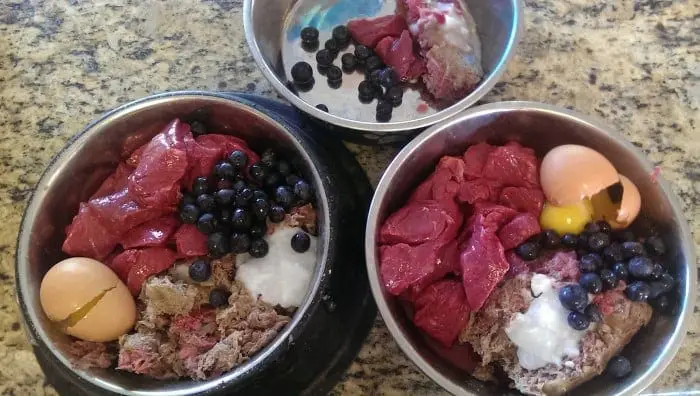
If you want to prepare meals yourself, ask for a referral to a veterinary nutrition specialist for a properly formulated puppy recipe and follow-up. Avoid improvising substitutions. For the earlier shopping step, see our guide to choosing food for a Rottweiler puppy.
5. Chasing percentages instead of monitoring the puppy
A single protein or fat percentage cannot tell you whether the entire feeding plan is right. Wet and dry foods also contain different amounts of water, making a casual label comparison misleading. Ask the manufacturer or your vet for help comparing products rather than declaring one ingredient or percentage good or bad.
Keep notes about appetite, stools, energy and weight changes. Repeated vomiting, persistent diarrhea, poor growth or an abrupt appetite change deserve veterinary attention, not an endless sequence of new foods. A puppy that seems weak or unwell needs prompt advice.
Build a routine you can adjust
Keep the food label, portion record and supplement list together. Make sure everyone in the household knows what has already been fed. Review the plan as your puppy grows, and discuss changes before piling on extras. Our balanced Rottweiler diet guide explains the wider routine. Consistent observation is more useful than searching for one perfect bowl that never needs adjusting.