
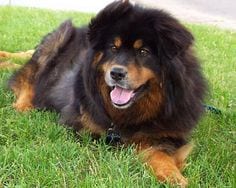
A Rottweiler Chow mix may have an appealing coat and a distinctive appearance, but choosing a dog takes more than deciding which traits look attractive. Size, coat, behavior and care needs vary between individuals. A mix does not automatically inherit the most convenient characteristics of each parent.
Before committing, ask about the particular dog’s history and daily needs. An adult in foster care may have an observable routine; a puppy still has much developing to do. Neither a photograph nor a breed label can promise a perfect family companion.
Look Beyond the Fluffy Coat
Do not assume that coat length tells you exactly how much a dog will shed. Plan for regular grooming and ask what the dog currently tolerates. A dense coat can need careful attention, and brushing should not become a struggle that you postpone until tangles form.
Introduce handling gradually and reward cooperation. If there are painful tangles, irritated skin or difficulty grooming safely, seek help from a groomer or veterinarian. Do not tease a hesitant dog to make them more sociable.
Ask Specific Behavior Questions
Descriptions such as loyal, bold or protective do not tell you how a dog behaves in your home. Ask about visitors, handling, other animals, food and time alone. Find out which situations the dog finds difficult and what management has worked.
A reserved dog does not need to greet everyone. Give space during introductions and allow the dog to move away. Avoid assuming that affection or training guarantees compatibility with children or small pets.
Use Reward-Based Training
Teach practical skills in manageable steps: responding to a name, coming toward you, walking on a relaxed lead and settling in a quiet place. Reward success and practice in easy settings before adding distractions.
Do not turn training into a contest over control. The American Veterinary Society of Animal Behavior recommends reward-based methods. If behavior raises safety concerns, seek qualified help instead of increasing pressure.
Our home-training guide offers a useful starting routine. Training is one part of care, not a guarantee that any dog will be safe in every situation.
Plan Food, Activity and Rest
Choose a complete diet appropriate to life stage and review portions with your veterinarian. A mixed-breed label does not create one special feeding formula. Account for treats and monitor body condition rather than aiming for an impressive size.
Adjust activity to age, fitness and health. Include comfortable walks and opportunities to explore, alongside rest. A dog who is reluctant to move or seems painful needs assessment, not a demand to work harder.
Our balanced-diet guide explains how portions and extras fit into a sensible routine.
Check the Practical Fit Before Adoption
Confirm that your housing arrangements allow the dog and that everyone in the household understands the care plan. Consider grooming help, veterinary costs, transport and support during working hours.
Ask for available health records and, when buying a puppy, relevant parent screening information. Mixed ancestry does not guarantee freedom from inherited conditions. Be wary of sellers promising flawless health, predictable protection or effortless behavior.
The right match is a dog whose needs you can realistically meet. Take time to learn about the individual, prepare safe routines and choose support that helps both the dog and your household adjust.