Know All About The Rottweiler Heat Cycle For Your Female Rottweiler

It is a major concern among owners to detect their pet rottweiler heat cycle. The breeding cycle in female Rottweiler is not very difficult to understand if you get to know the details.

The first heat cycle in a female Rottie starts at around 12 to 18 months of age. But some can have it as early as at 6 months of age. This doesn’t mean that the dog is ready to breed. The heat cycle is repeated every 4 to 6 months but there is no hard-and-fast rule to it. Every dog’s different and can have varying lengths of the heat cycle. There are 4 stages in a female Rottweiler’s heat cycle.

Read: Rottweiler Barking: Pipe Down The Music Before It Becomes A Constant

Pro estrus Stage Of rottweiler heat Cycle

It marks the beginning of the heat cycle and lasts for 5 to 9 days. It can be identified by both physical and behavioral changes. The vagina will appear to be swollen and bleeding will start. It makes the dog flirty so she will show herself off to male dogs. You will need to observe these changes carefully. Generally, they also ‘blow’ their coats right before entering the cycle. Notice that male dogs will be trying to get on top of her but she will be resisting them. A more mature male dog will lick the female’s vagina to know how ready she is to mate.
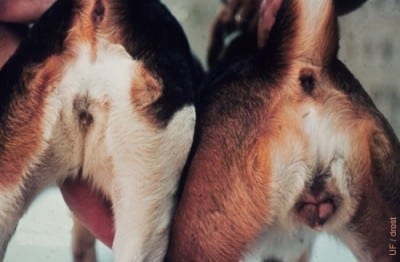
rottweiler heat
rottweiler heat

Estrus Stage Of Rottweiler Heat Cycle

It is when a female is ready for breeding and this too lasts for about 5-9 days. The male testing her earlier will now get a green flag from the female. She might even try to arouse him by mounting him. The vagina and penis ‘tie’ at this time and separating them may be dangerous to both at this time. The semen is delivered in the first few thrusts. Don’t leave them alone during this process since sometimes the female might try to separate. You are to calm her down. A tie isn’t necessary for successful fertilization though.

Di estrus Stage Of The Heat Cycle

The female will again become unperceptive to male advances. If she is pregnant, the diestrus stage will last until the babies are delivered. If not pregnant it may last for around 80 days. During this period, the placenta of the embryo is attached to the uterus which nourishes the baby.

An estrus Stage Marks The End Of The Cycle

It’s the time between two consecutive heat cycles. It is easily identifiable since the female won’t get attention from male dogs. Neither will she try to turn them on.

The gestation period in Rottweiler is of 63 weeks, give or take a week. This is the whole Rottweiler heat cycle for a female. Hope this proved helpful in knowing your pet’s cycle better.

Must-read

Top 10 Foods That Are Toxic to Dogs

As beloved companions, dogs hold a special place in many homes. However, it's crucial for dog owners to understand the potential hazards lurking in...

Puppy and Dog Vaccinations: A Schedule for Every Life Stage

Introduction to Dog Vaccinations Vaccinations are a vital aspect of canine healthcare, ensuring dogs remain protected against various infectious diseases. Regular vaccination not only safeguards...

The German Rottweiler: All You Need to Know

If you're a proud Rottweiler owner, you’ve likely encountered the self-proclaimed "Rottweiler expert" who stops you mid-walk with this question: “Is that a German...

10 Common Dog Health Problems and How to Prevent Them

Dogs bring joy and companionship to our lives.Understanding common dog health problems is crucial for every dog owner. It helps in ensuring a long, happy life for your pet. Some health issues are common across all breeds. Others are specific to certain breeds like Pomeranians and Havanese. Regular veterinary check-ups are essential. They help in early detection and prevention of potential health issues. Dental disease, obesity, and ear infections are among the most common problems. These can often be prevented with proper care. Skin allergies, parasites, and heartworm disease also pose significant risks. Preventive measures can greatly reduce these threats. Proper nutrition, exercise, and grooming play vital roles in maintaining your dog's health. This guide will explore these issues and offer practical tips for prevention. Understanding Dog Health: Why Prevention Matters Prevention is at the heart of maintaining a healthy and happy dog. It stops small problems from becoming big issues. Regular veterinary visits are key. These check-ups can catch illnesses early before they grow worse. Preventive care involves several important practices, such as: Vaccinations to avoid infectious diseases. Parasite control to fend off fleas, ticks, and worms. Regular dental care to keep teeth and gums healthy. A focus on prevention can save you money in the long run. Treating health issues is often more expensive than preventing them. Additionally, a well-cared-for dog lives a longer and more fulfilling life. Good health contributes to their mental and physical well-being. It's important to be proactive about your dog's health. Using preventive measures ensures a vibrant life for your furry friend. Most Common Dog Health Problems Dogs face a variety of health challenges over their lifetimes. Awareness of these common issues can help owners be proactive. Early detection often results in better outcomes. Some prevalent health problems include: Dental disease, a significant concern affecting many dogs. Obesity, which is increasingly common and impactful. Ear infections, especially in breeds with floppy ears. Recognizing these problems early can lead to faster interventions and less suffering for your dog. Regular veterinary check-ups and diligent home care are essential components. Addressing these issues promptly ensures your dog’s healthy lifestyle continues. 1. Dental Disease Dental disease is a widespread concern for dogs. By age three, over 80% of dogs show signs of dental issues. Problems range from gingivitis to periodontal disease, impacting your dog’s overall health. Key signs of dental disease include: Bad breath Inflamed gums Difficulty chewing Ignoring dental health can lead to serious complications. Infections can spread from the mouth to other organs, causing severe damage. Regular cleaning and veterinary check-ups can prevent most dental issues. Establishing a routine for brushing your dog's teeth is crucial. Use dog-specific toothpaste and a suitable toothbrush. Dental treats and toys can also help reduce tartar buildup. 2. Obesity Obesity is a growing problem in the canine...

Caring for Your New Rottweiler Puppy

Bringing a new Rottweiler puppy into your home is an exciting time. These adorable bundles of joy are full of energy and curiosity. However, owning...

Understanding the Rottweiler Breed Standard Guidelines

The Rottweiler breed is known for its robust physique and distinctive black and tan coat. But what defines a true Rottweiler? The answer lies in...
1,530,000FansLike
219,000FollowersFollow
3,557FollowersFollow
223,000FollowersFollow
9,131FollowersFollow
460,000SubscribersSubscribe

Recent articles

More like this