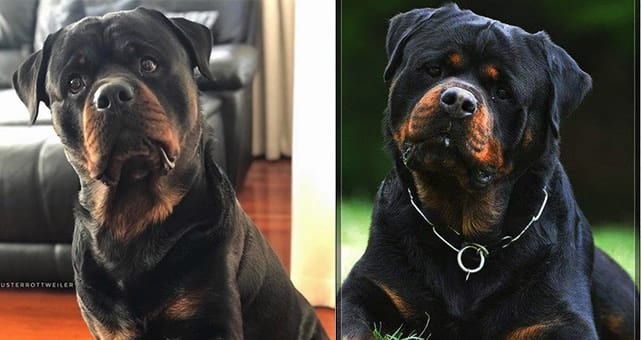
According To Science This Is What It Means When Rottweilers Tilt Their Head

Our rottweilers can have a weird behavior sometimes. There are times when we do not understand what they may hide behind a gesture. Most of the times, we just think that it is just a typical behavior of them, However, is that the whole truth?

Or there is something more behind some of those strange things our rottweiler does, like their habit to sniff butts?

1. Grass eating

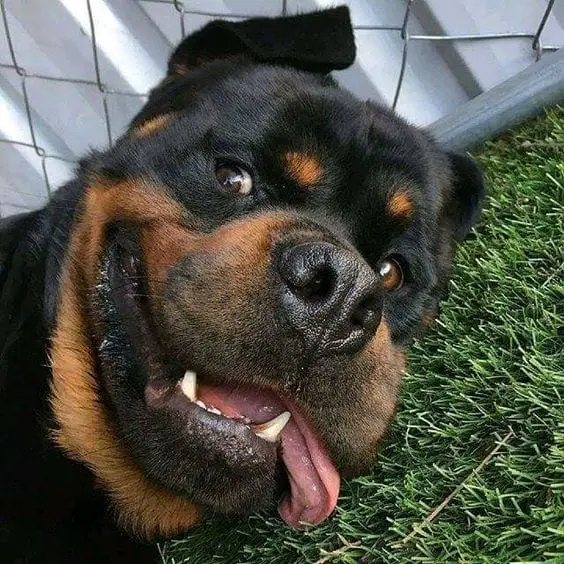
A lot of Rottweilers may consume an amount of grass now and then. In most cases, they just need to throw up afterward. It may all sound unhealthy and disturbing at first, but there is actually a good reason behind such a habit. The reason is mostly a medical one, and it can be associated with digestion problems, treatment of intestinal worms or the dog’s effort to deal with a nutritional issue, including the lack of the necessary fibers.
Rottweilers
Rottweilers

2. Hyperactivity after bath

Rottweilers
Rottweilers

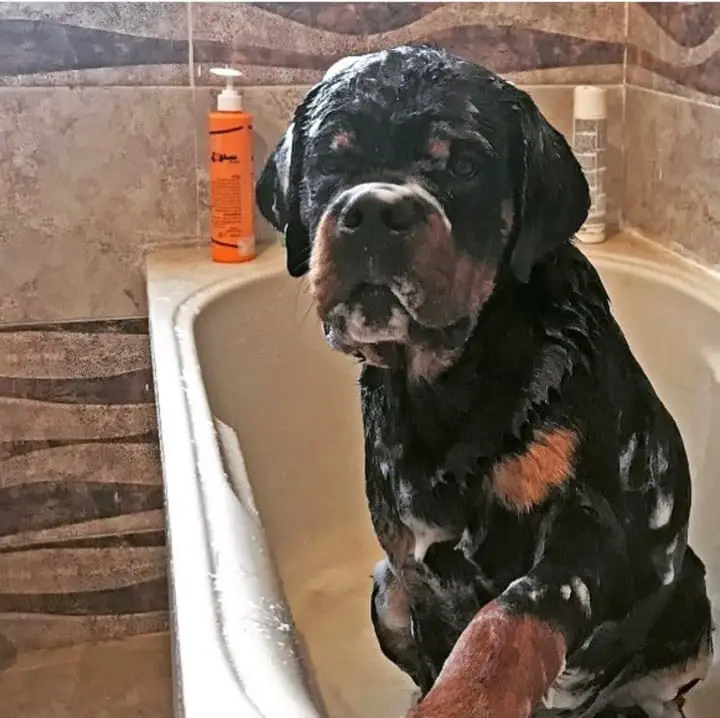
It is true that having a bath is not the most amiable activity for a rottweiler. That can make them a bit hyperactive when they finish their obligatory routine. If you see your dog running around, rubbing themselves on surfaces or shaking, it is usually a sign that your dog wishes to get over the sensation of being so wet.

3. Placing their head outside the car’s window

There is a logical explanation behind that habit of your rottweiler that lies in their attempt to get to know their new environment and get as close to it as possible.

Soruce : XS2ThunderboltX

4. Humping things
Rottweilers
Rottweilers

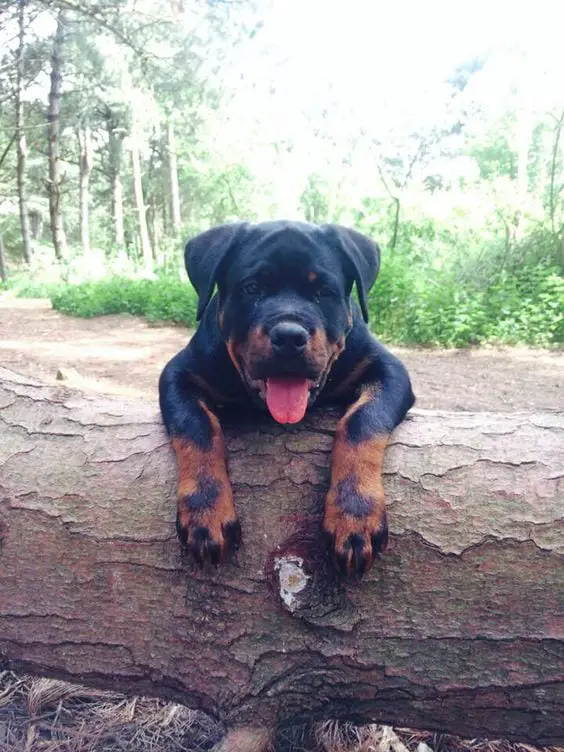
Rottweilers usually hump things, people or other animals in order to attract their attention or because they are simply over-excited. There is nothing sexual about it. It is also, possible that your rottweiler just wishes to dominate the object he is humping.
5. Butt sniffing

Rottweilers
Rottweilers

A Rottweiler has a much stronger sense of smell compared to humans. They are actually capable of smelling a thing from very far away. That makes them rest a lot on their scent when they come in touch with other creatures. When they sniff another dog’s butt, they actually try to communicate with him, similarly to humans who shake hands.

7. Staring at people
Rottweilers
Rottweilers

When your rottweiler stares at you, he is probably asking for some special treat or he is in need of some extra attention.

8. Butt Scoot

You may find it peculiar, but this gesture is usually a simple sign that your rottweiler has a dirty butt and he wishes to clean himself up.

Rottweilers
rottweiler in snow

9. Tail chasing

When a rottweiler chases after his tail, there are many possible explanations. He may feel that he is restricted and wishes some more freedom, he may be just a bit bored or he may have some irritating fleas. If he is just a puppy, he may not even know what their tail is exactly.

Source : morten midtsund

10. Head tilting

Rottweilers can understand what you are saying to them. The problem is that they cannot really hear you. For this reason, they usually tilt their heads in order to allow their outer ears to adjust to the location of every new sound.

source : Michalis Mavros

Must-read

Top 10 Foods That Are Toxic to Dogs

As beloved companions, dogs hold a special place in many homes. However, it's crucial for dog owners to understand the potential hazards lurking in...

Puppy and Dog Vaccinations: A Schedule for Every Life Stage

Introduction to Dog Vaccinations Vaccinations are a vital aspect of canine healthcare, ensuring dogs remain protected against various infectious diseases. Regular vaccination not only safeguards...

The German Rottweiler: All You Need to Know

If you're a proud Rottweiler owner, you’ve likely encountered the self-proclaimed "Rottweiler expert" who stops you mid-walk with this question: “Is that a German...

10 Common Dog Health Problems and How to Prevent Them

Dogs bring joy and companionship to our lives.Understanding common dog health problems is crucial for every dog owner. It helps in ensuring a long, happy life for your pet. Some health issues are common across all breeds. Others are specific to certain breeds like Pomeranians and Havanese. Regular veterinary check-ups are essential. They help in early detection and prevention of potential health issues. Dental disease, obesity, and ear infections are among the most common problems. These can often be prevented with proper care. Skin allergies, parasites, and heartworm disease also pose significant risks. Preventive measures can greatly reduce these threats. Proper nutrition, exercise, and grooming play vital roles in maintaining your dog's health. This guide will explore these issues and offer practical tips for prevention. Understanding Dog Health: Why Prevention Matters Prevention is at the heart of maintaining a healthy and happy dog. It stops small problems from becoming big issues. Regular veterinary visits are key. These check-ups can catch illnesses early before they grow worse. Preventive care involves several important practices, such as: Vaccinations to avoid infectious diseases. Parasite control to fend off fleas, ticks, and worms. Regular dental care to keep teeth and gums healthy. A focus on prevention can save you money in the long run. Treating health issues is often more expensive than preventing them. Additionally, a well-cared-for dog lives a longer and more fulfilling life. Good health contributes to their mental and physical well-being. It's important to be proactive about your dog's health. Using preventive measures ensures a vibrant life for your furry friend. Most Common Dog Health Problems Dogs face a variety of health challenges over their lifetimes. Awareness of these common issues can help owners be proactive. Early detection often results in better outcomes. Some prevalent health problems include: Dental disease, a significant concern affecting many dogs. Obesity, which is increasingly common and impactful. Ear infections, especially in breeds with floppy ears. Recognizing these problems early can lead to faster interventions and less suffering for your dog. Regular veterinary check-ups and diligent home care are essential components. Addressing these issues promptly ensures your dog’s healthy lifestyle continues. 1. Dental Disease Dental disease is a widespread concern for dogs. By age three, over 80% of dogs show signs of dental issues. Problems range from gingivitis to periodontal disease, impacting your dog’s overall health. Key signs of dental disease include: Bad breath Inflamed gums Difficulty chewing Ignoring dental health can lead to serious complications. Infections can spread from the mouth to other organs, causing severe damage. Regular cleaning and veterinary check-ups can prevent most dental issues. Establishing a routine for brushing your dog's teeth is crucial. Use dog-specific toothpaste and a suitable toothbrush. Dental treats and toys can also help reduce tartar buildup. 2. Obesity Obesity is a growing problem in the canine...

Caring for Your New Rottweiler Puppy

Bringing a new Rottweiler puppy into your home is an exciting time. These adorable bundles of joy are full of energy and curiosity. However, owning...

Understanding the Rottweiler Breed Standard Guidelines

The Rottweiler breed is known for its robust physique and distinctive black and tan coat. But what defines a true Rottweiler? The answer lies in...
1,530,000FansLike
219,000FollowersFollow
3,557FollowersFollow
223,000FollowersFollow
9,131FollowersFollow
460,000SubscribersSubscribe

Recent articles

More like this