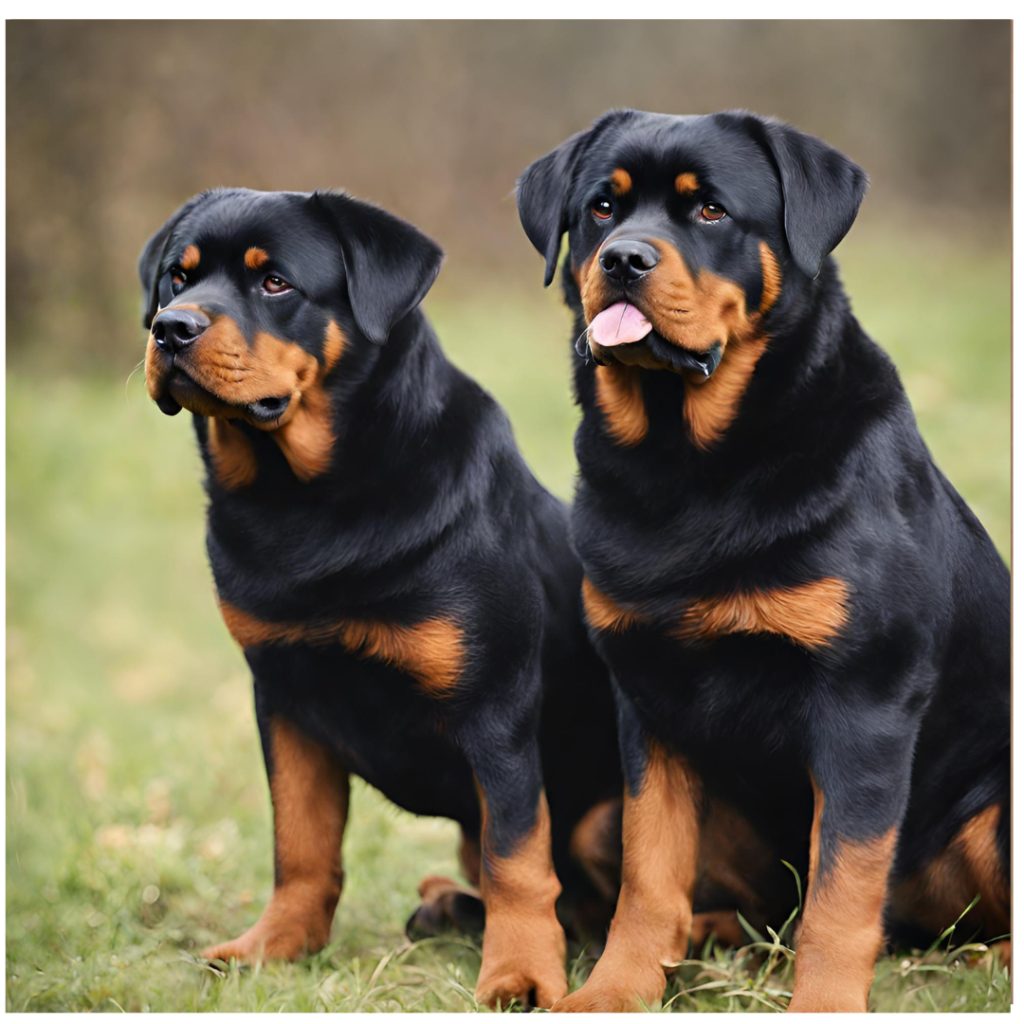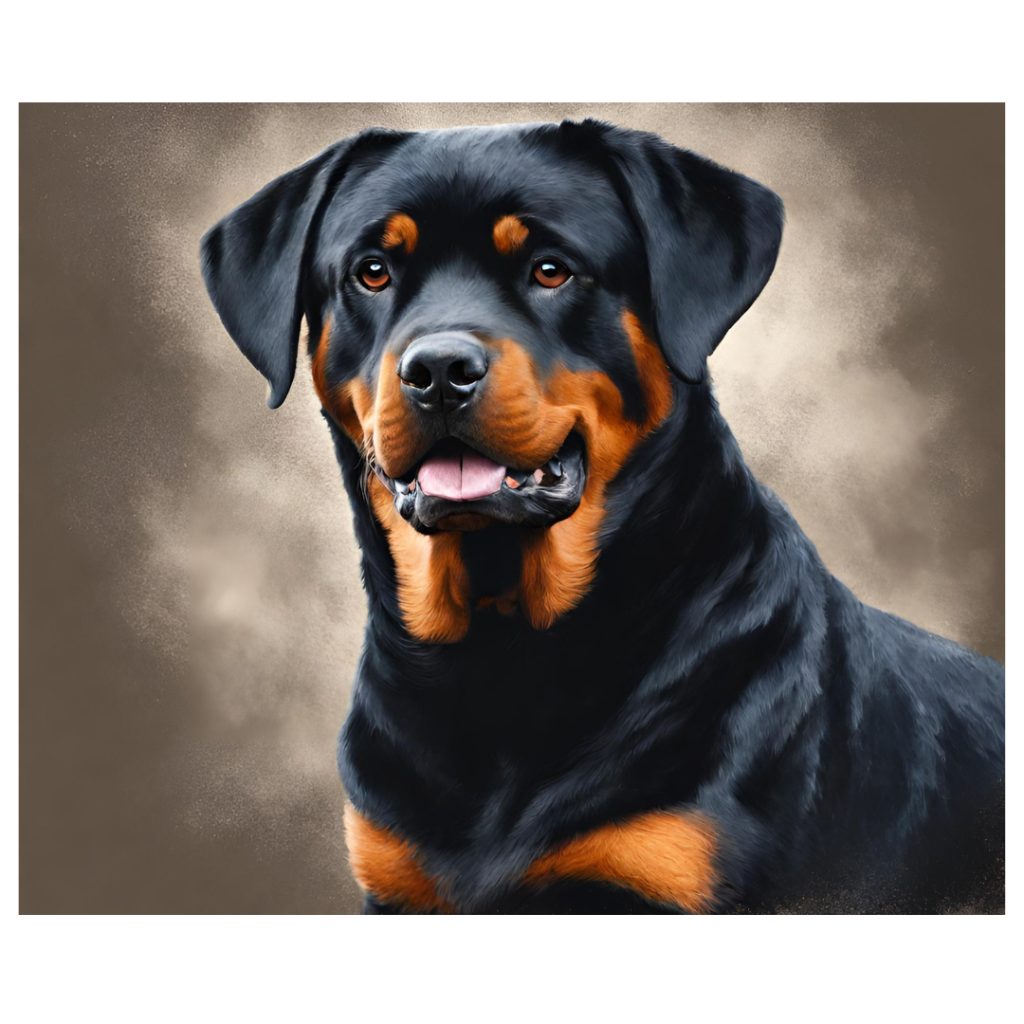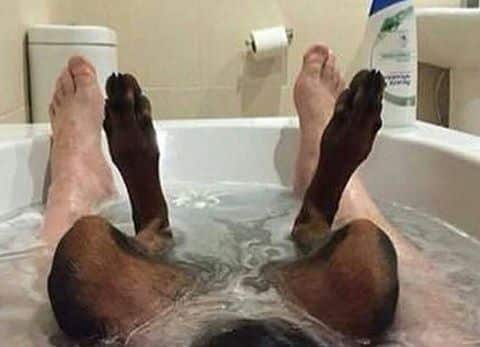
These bathing tips for Rottweilers focus on a comfortable, thorough wash—not making every dog follow the same calendar. Your dog’s skin, activities and any veterinary treatment affect how often bathing is appropriate.
A short coat still needs regular attention. Brushing and checking for dirt or irritation between baths can help you notice what your dog actually needs.
Decide Whether a Full Bath Is Needed
For ordinary dirt, choose care suited to the area affected. Muddy paws may only need cleaning and drying rather than a complete bath. Our paw-cleaning guide covers that smaller job.
Persistent odor, itching or sore skin deserves veterinary advice rather than repeated washing to hide the problem. VCA explains that bathing needs vary, including when a skin condition requires a specific treatment routine.
Prepare Before Bringing Your Dog In
Put towels, a suitable dog shampoo and your rinsing equipment within reach. Use a non-slip surface and choose a setup your dog can enter and leave safely. A walk-in area or professional bathing station may be more manageable than lifting a large dog into a deep tub.
Check the water before starting. Keep the environment calm and introduce the area in short, rewarding visits if your dog is unfamiliar with it. Do not wait until the dog is covered in shampoo to discover that you cannot safely finish the job.
Brush Gently and Check the Skin
Remove loose dirt and work gently through the coat before bathing. Do not pull at tight tangles or painful areas. Ask a groomer or vet for help where necessary; wetting a problem tangle is not a solution.
Look for sore patches, parasites or anything unusual. Avoid vigorous scrubbing. The AKC’s grooming guide provides broader advice on coat care and handling.
Wash and Rinse Carefully
Use comfortably lukewarm water and a product intended for dogs, following its instructions. Protect the eyes and ears, and avoid spraying water directly into the face. Work gently rather than treating the coat like a surface that needs hard scrubbing.
Rinse thoroughly so product is not left in the coat. If your veterinarian prescribed a medicated shampoo, follow the specific contact time, rinsing and frequency directions instead of applying a general bathing routine.
VCA’s coat-care guidance distinguishes routine washing from medicated shampoo use. More product or more frequent washing is not automatically better.
Dry Without Rushing or Frightening Your Dog
Use towels gently and keep your dog comfortable while drying. Check that the coat is drying properly rather than leaving your dog wet in a cold area. Patting with a towel does not prevent normal shedding.
If drying equipment is needed, ask a groomer about suitable technique and settings. Do not expose the dog to hot air or leave them unattended with a dryer. A dog frightened by noise may need gradual introductions or professional assistance.
Make the Next Bath Easier
Practice calm handling outside bath time. Reward standing on the mat, a brief touch or entering the wash area willingly. Our home-training guide explains how small sessions can build useful habits.
Keep a note of any product that causes a problem and tell your vet about ongoing skin changes. A good bathing routine leaves your dog clean and comfortable; it should not become a struggle you repeat on a rigid schedule.
Featured image credit: Vinay Pateel.