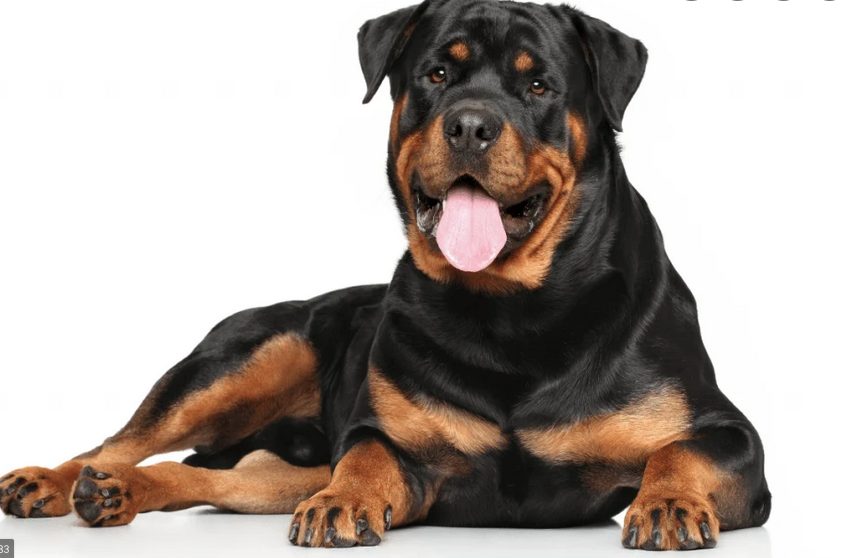
Grooming Guide: Cleaning Your Rotweiller’s Paws

It doesn’t matter if it’s pouring or snowing outside; you still need to take your dogs for walks. Unfortunately, your Rottie may experience aggravation from walking on the salted sidewalks in winter. In these conditions, it is extremely important to wash their paws after returning from every walk.

If your dog is particularly sensitive to the effects of cold and other environmental factors, you might need to take extra care when washing its paws. In addition to keeping your floors clean, inspecting your Rottweiler’s paws for injuries and treating them promptly will help you avoid future issues. That’s because it can be hard to see any injuries if your dog’s paws are covered in dirt.

Chronically filthy paws are also more likely to develop irritation or abrasions. Read on for advice on how to properly wash your dog’s paws after a stroll in the park. When your Rottie’s paws are clean, they’ll have a better quality of rest, and you’ll let them snuggle up with you on the couch while you enjoy blackjack at the Grand Vegas online casino.

1. A quick tidy-up with wet wipes

If your dog’s paws are only somewhat dirty after a walk, you can probably get away with merely using a few damp towelettes to wipe them. Check the label to be sure the wipes you’re using are pet-friendly. Towelettes are a human convenience, but they may be dangerous to your pet because they contain chemicals and alcohol.

Wipes should only be used if they are made from all-natural materials and have been given the all-clear by a veterinarian. If you want to save money without sacrificing effectiveness, you can wipe your dog’s paws after a walk with a washcloth that has been soaked in warm water.

2. Washing the paws thoroughly

It may take more than wet wipes or washcloths to remove debris or muck from your Rottie’s paw pads. If you want your dog to be completely clean after a walk, you must thoroughly wash its paws. Using a sprayer in the sink or a bath is the most convenient way to clean them.

You may need to use a sprayer to clean your Rottweiler in the bathtub if he or she is huge or has a lot of fur on their ankles and feet. Clean the dirty paws and fur well with dog shampoo, and then rinse with lukewarm water to remove any traces of dirt and shampoo.

3. Don’t forget about the toes and nails

Ensure you get in between your dog’s toes and under its nails when cleaning its paws. Wiping between your dog’s claws and pads can help protect their feet from the harmful effects of elements like ice melts. If you don’t, your dog will lick these areas to clean them, putting them at risk of infection.

Infections can arise from a buildup of bacteria and viruses in the spaces between the toes and the pads if these areas aren’t cleaned regularly. Take care to wipe each claw separately for optimal results. Lastly, ensure your dog doesn’t leave wet paw prints all over your floor after you’ve cleaned them by patting them dry with a towel.

4. Remove excess hair from their feet

It’s especially important to pay close attention to the hair between your dog’s pads. Doing so will keep that area clear of trapped dirt. Because the skin on a dog’s foot pads is so thin, you should have a professional do the trimming for you. You can do the rest of the leg trimming if your dog cooperates.

Avoid cutting too close to the pads and toes when shaving to prevent injury and protect them from the outdoors.

5. Put dog boots on their feet when it’s cold

If your dog likes wearing dog booties, you’re lucky because they’re an excellent way to protect its paws from harmful elements like salt and grime. Snowballs will form on top of the booties if the snow is more than an inch deep. Therefore soapy water will be necessary in that instance.

Remember to take the booties off your Rottie as soon as you go back inside, especially if the snow is deep, so that his fur can dry out. A spare pair is crucial just in case one pair of boots is lost in the snow.

6. Scrub clean any open wounds

Check your furry friend’s paws for wounds, blisters, and abrasions when you return from a stroll. These wounds might seem harmless initially, but they can quickly become infected and pose a serious risk to your dog’s health. Consult your vet if the wound looks infected or severe.

The first step in treating a minor wound that may be treated at home is to wash the affected paw thoroughly with warm water to eliminate any dirt or debris that may be present. Then, disinfect the area using a diluted antiseptic. Once the wound is dried, apply a generous dose of pet-safe antibacterial lotion or antiseptic. You can put a pad over the wound, but it may fall off once your dog starts moving about again.

Conclusion

Using these guidelines, you’ll be able to clean up your dog thoroughly after each stroll. Your Rottie’s disposition and activity level will always improve after a bath.

Must-read

Top 10 Foods That Are Toxic to Dogs

As beloved companions, dogs hold a special place in many homes. However, it's crucial for dog owners to understand the potential hazards lurking in...

Puppy and Dog Vaccinations: A Schedule for Every Life Stage

Introduction to Dog Vaccinations Vaccinations are a vital aspect of canine healthcare, ensuring dogs remain protected against various infectious diseases. Regular vaccination not only safeguards...

The German Rottweiler: All You Need to Know

If you're a proud Rottweiler owner, you’ve likely encountered the self-proclaimed "Rottweiler expert" who stops you mid-walk with this question: “Is that a German...

10 Common Dog Health Problems and How to Prevent Them

Dogs bring joy and companionship to our lives.Understanding common dog health problems is crucial for every dog owner. It helps in ensuring a long, happy life for your pet. Some health issues are common across all breeds. Others are specific to certain breeds like Pomeranians and Havanese. Regular veterinary check-ups are essential. They help in early detection and prevention of potential health issues. Dental disease, obesity, and ear infections are among the most common problems. These can often be prevented with proper care. Skin allergies, parasites, and heartworm disease also pose significant risks. Preventive measures can greatly reduce these threats. Proper nutrition, exercise, and grooming play vital roles in maintaining your dog's health. This guide will explore these issues and offer practical tips for prevention. Understanding Dog Health: Why Prevention Matters Prevention is at the heart of maintaining a healthy and happy dog. It stops small problems from becoming big issues. Regular veterinary visits are key. These check-ups can catch illnesses early before they grow worse. Preventive care involves several important practices, such as: Vaccinations to avoid infectious diseases. Parasite control to fend off fleas, ticks, and worms. Regular dental care to keep teeth and gums healthy. A focus on prevention can save you money in the long run. Treating health issues is often more expensive than preventing them. Additionally, a well-cared-for dog lives a longer and more fulfilling life. Good health contributes to their mental and physical well-being. It's important to be proactive about your dog's health. Using preventive measures ensures a vibrant life for your furry friend. Most Common Dog Health Problems Dogs face a variety of health challenges over their lifetimes. Awareness of these common issues can help owners be proactive. Early detection often results in better outcomes. Some prevalent health problems include: Dental disease, a significant concern affecting many dogs. Obesity, which is increasingly common and impactful. Ear infections, especially in breeds with floppy ears. Recognizing these problems early can lead to faster interventions and less suffering for your dog. Regular veterinary check-ups and diligent home care are essential components. Addressing these issues promptly ensures your dog’s healthy lifestyle continues. 1. Dental Disease Dental disease is a widespread concern for dogs. By age three, over 80% of dogs show signs of dental issues. Problems range from gingivitis to periodontal disease, impacting your dog’s overall health. Key signs of dental disease include: Bad breath Inflamed gums Difficulty chewing Ignoring dental health can lead to serious complications. Infections can spread from the mouth to other organs, causing severe damage. Regular cleaning and veterinary check-ups can prevent most dental issues. Establishing a routine for brushing your dog's teeth is crucial. Use dog-specific toothpaste and a suitable toothbrush. Dental treats and toys can also help reduce tartar buildup. 2. Obesity Obesity is a growing problem in the canine...

Caring for Your New Rottweiler Puppy

Bringing a new Rottweiler puppy into your home is an exciting time. These adorable bundles of joy are full of energy and curiosity. However, owning...

Understanding the Rottweiler Breed Standard Guidelines

The Rottweiler breed is known for its robust physique and distinctive black and tan coat. But what defines a true Rottweiler? The answer lies in...
1,530,000FansLike
219,000FollowersFollow
3,557FollowersFollow
223,000FollowersFollow
9,131FollowersFollow
460,000SubscribersSubscribe

Recent articles

More like this