
Can Rottweiler puppies eat adult dog food? A food intended only for adult maintenance should not be the regular diet of a growing puppy. Your Rottweiler needs nutrition appropriate for growth, with particular attention to their expected large adult size.
The important detail is the nutritional adequacy statement, not simply whether the bag looks premium or the food is wet or dry. Ask your veterinarian to help you choose a suitable diet and decide when a change is appropriate.
Read the Life-Stage Statement
On a US pet-food label, look for the nutritional adequacy statement identifying the life stage the food supports. The FDA explains complete and balanced pet food and the distinction between growth and adult-maintenance nutrient profiles.
A product intended for adult maintenance is not the same as one suitable for growth. If a product says all life stages, check whether it is appropriate for large-breed growth rather than assuming the broad phrase settles the question. Take a photograph of the full label to your veterinary appointment if anything is unclear.

Why Large-Breed Growth Needs Attention
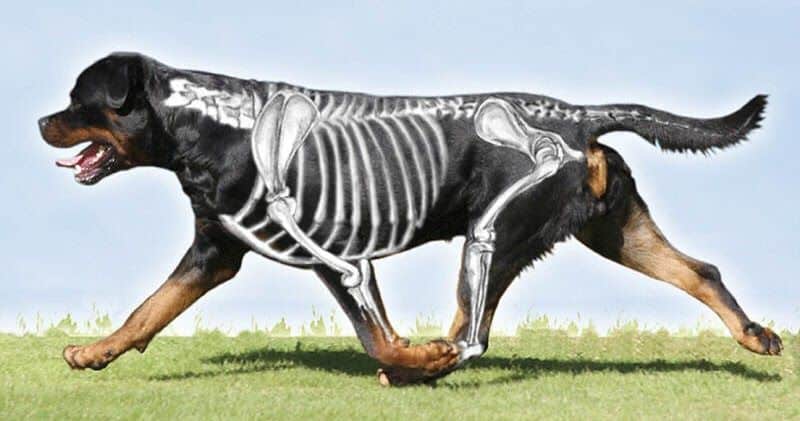
The goal is appropriate growth and a healthy body condition, not making your puppy as big as possible as quickly as possible. The AAHA life-stage nutrition guidance recommends growth-appropriate feeding until skeletal maturity and highlights the importance of avoiding excess calcium in growing large dogs.
Do not add calcium or other supplements to “strengthen the bones” without veterinary advice. More is not automatically better. Discuss the entire diet, including treats and extras, rather than judging it only by the protein percentage printed on the front.
When Should a Rottweiler Switch to Adult Food?
There is no single birthday that fits every dog. A blanket instruction to switch all Rottweilers at 10 or 12 months can be too simplistic. Your veterinarian can assess growth and body condition and help choose the timing.
Bring the current food details, portion sizes and recent weight information. Ask both when to change and how much of the new food to feed, because equal scoops of different foods may not contain equal calories.
When a change is appropriate, follow a gradual transition plan suited to your dog rather than making an abrupt switch without guidance. Report persistent digestive problems instead of repeatedly trying new foods on your own.
Wet or Dry Is Not the Main Test of Suitability
Wet and dry foods can both be appropriate when they meet the relevant nutritional needs. A combination is not automatically better, and an equal-parts mixture is not a universal feeding rule.
If you combine foods, make sure the overall plan is suitable for growth and that portions account for their different calorie contents. Keep fresh drinking water available and follow the storage instructions for each product, including opened wet food.
Raw Food Is Not Automatically Healthier
Words such as raw or organic do not prove nutritional completeness. The FDA warns that raw pet foods can carry harmful bacteria, creating risks for pets and people handling the food.
Do not improvise a meat-and-vegetable recipe for a growing Rottweiler. If you want a home-prepared diet, discuss an appropriately qualified veterinary nutrition professional with your vet so the recipe can be formulated for your puppy.
What If Your Puppy Ate Some Adult Food?
A question about an accidental meal is different from choosing a long-term diet. Tell your veterinarian what the puppy ate, how much and whether there are any symptoms. Do not assume that one meal means the severe outcomes sometimes claimed online.
If your puppy appears unwell, contact your veterinary team promptly. Keep the packaging available so they can assess the ingredients and product.
A Short Checklist for Your Next Vet Visit
- Is this food suitable for my puppy’s growth and expected size?
- What daily amount should I start with?
- How should treats fit into the total?
- How will we check body condition and growth?
- When should we review the move to an adult diet?
For the wider routine, see our Rottweiler care checklist and health-care guide. Feeding decisions work best as part of ongoing care, not a one-time choice based on the breed name alone.