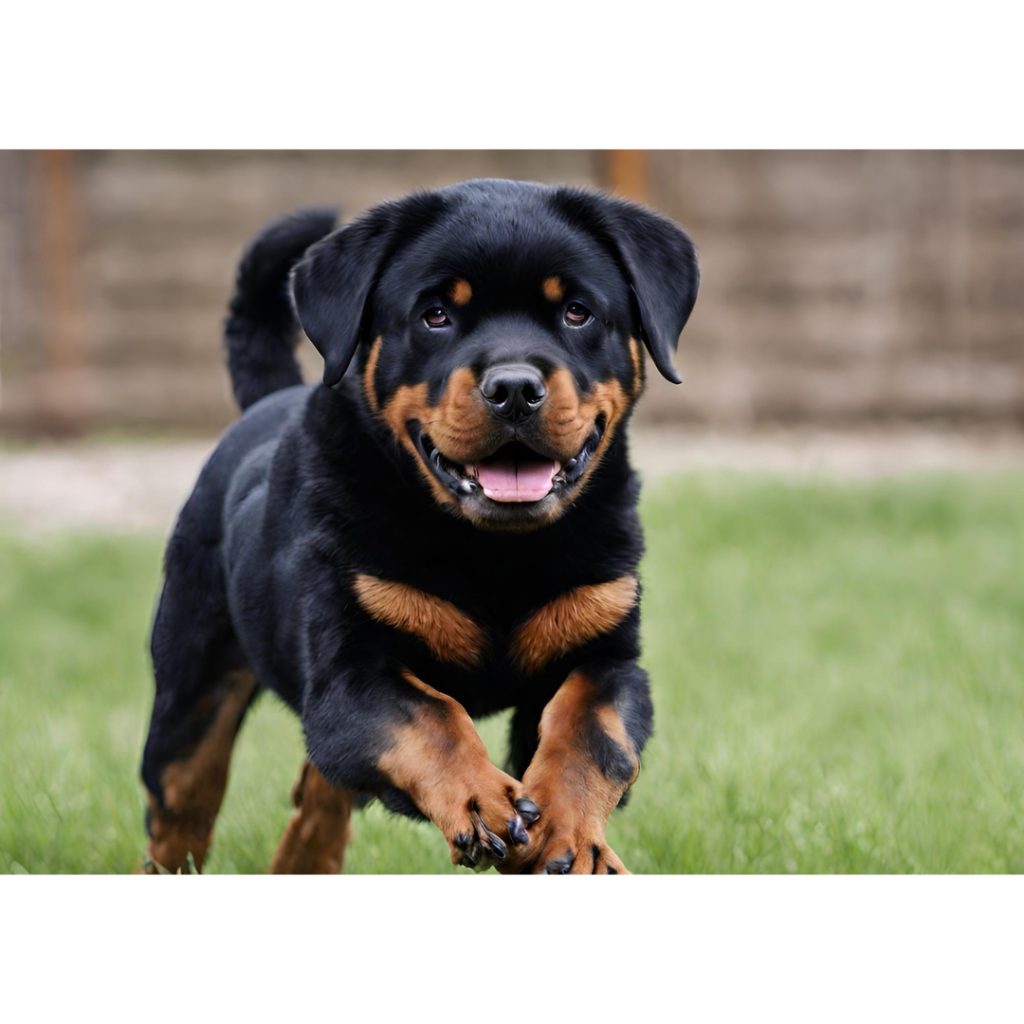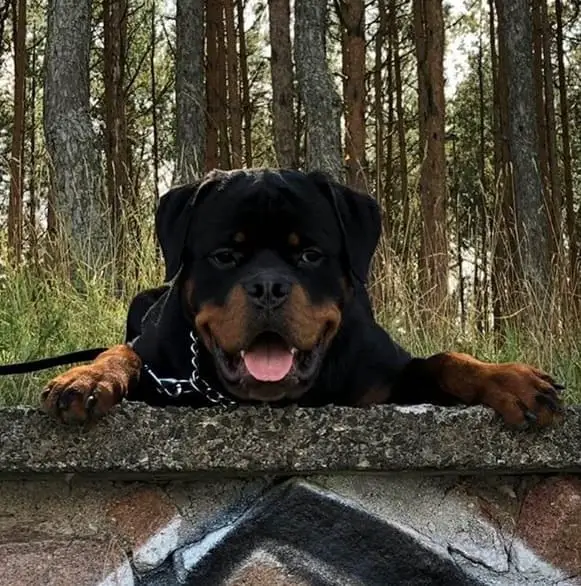
The most common Rottweiler training mistakes are often small choices: repeating a cue, asking for too much too soon or rewarding a few seconds too late. When progress stalls, changing the setup is usually more useful than calling your dog stubborn.
A strong dog needs clear, humane teaching—not intimidation. The American Veterinary Society of Animal Behavior recommends reward-based methods. Use the checklist below to make everyday practice easier for both of you.
1. Practicing Only When There Is a Problem
Trying to teach calm greetings while visitors are already crowding the doorway is a difficult starting point. Practice the easier version first: approaching the door, pausing with you and moving to a comfortable resting place when nothing exciting is happening.
Choose one skill for short, regular practice. Write down what success looks like—such as a few loose-leash steps in a quiet space—rather than expecting “better behavior” in every situation at once.
2. Repeating a Cue Again and Again
“Sit, sit, sit” does not explain the task more clearly. Give a familiar cue once and allow time for a response. If your dog cannot respond, reduce the difficulty instead of raising your voice. There may be too much happening nearby, or the cue may not be as well learned as you thought.
For recall, the AKC advises avoiding repeated cues. Practice in safe conditions and use secure management while the skill develops; a training exercise is not a guarantee that a dog can safely be off leash.
3. Letting Sessions Drag On
You do not have to continue until your dog finally gets something right. If either of you is frustrated, stop and rethink the exercise. Several brief opportunities can fit into daily life more comfortably than a long session that ends in a struggle.
For a new skill, start with a few easy repetitions and leave room for rest. The AKC’s engagement advice favors short sessions. Watch the dog in front of you rather than forcing a fixed number of minutes.
4. Increasing Every Difficulty at Once
A sit in the kitchen does not automatically become a sit beside a busy playground. Distance from you, the length of the behavior and nearby distractions all change the task. Make one element harder at a time.
For example, when moving practice outdoors, stay close and ask for something brief. If your Rottweiler keeps losing focus, create more space from the distraction. The AKC’s distraction-training guide explains this gradual approach.
5. Rewarding Too Late
If you ask for a sit but deliver the reward after your dog jumps up, your timing makes the lesson harder to understand. Prepare your rewards before you start. Mark the behavior you want at the moment it happens, then deliver the reward promptly.
A marker can be a consistent word or a clicker that you have taught your dog to associate with a reward. You do not need elaborate equipment, but you do need to notice the moment you are reinforcing.
6. Expecting Praise to Replace Every Reward
Some dogs enjoy praise, but that does not mean it will compete with every distraction. Food, play and other activities can have different values to your dog. Choose something they actually want and can enjoy safely in the situation.
Using food is not a failure. The AKC’s reward-training guidance explains the importance of timing and reinforcement. Avoid making lessons harder and removing useful rewards at the same time.
7. Treating Confusion as Defiance
A missed response is information, not proof that your Rottweiler is trying to take charge. Check whether the task is clear, the setting is manageable and your dog is comfortable. Do not corner, frighten or physically force a dog into compliance.
If you feel yourself getting angry, end the session. A simpler exercise later is more productive than turning practice into a confrontation. For preparation, see our guide to what to know before training a Rottweiler.
8. Giving Conflicting Household Messages
If one person rewards jumping and another wants four paws on the floor, the dog has a confusing job. Agree on the cue, the behavior you want and how everyone will respond. Keep those decisions simple enough to use consistently.
A shared note can help: “We reward calm greetings” is clearer than “Don’t let the dog be naughty.” Explain the plan to visitors before a greeting rather than trying to coach everyone during the excitement.
9. Expecting Training to Replace Management
Learning takes practice, and your household still needs to function in the meantime. Use safe separation, appropriate walking equipment and a planned routine to prevent situations your dog cannot yet handle. Do not repeatedly put them into the same overwhelming setup and hope a cue will solve it.
Think ahead to your hardest moment of the day. Could you prepare a resting area before guests arrive or choose a quieter route for practice? Small changes can give you a better starting point.
10. Ignoring the Individual Dog’s Needs
Do not compare your Rottweiler’s progress with a short video of another dog. Age, experience, comfort and the environment can affect what is manageable. Keep notes about where a skill works and where it falls apart, then adjust the next session.
For sudden behavior changes, apparent discomfort or serious concerns such as biting, seek veterinary advice and qualified behavior support. A general training article cannot assess the cause or provide an individual safety plan.
A Simple Plan for Your Next Session
Pick one familiar skill, find a quiet place and have rewards ready. Ask for an easy version, reward promptly and stop before frustration builds. Record one useful observation for next time. Our guide to becoming a more effective Rottweiler trainer can help you think about your own teaching habits.
Progress does not require winning an argument with your dog. It requires making the next step understandable, achievable and worth doing.