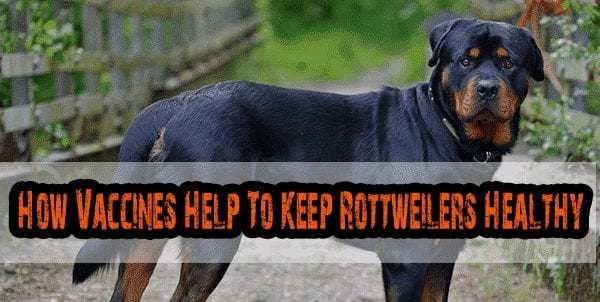
How Vaccines Help To Keep Rottweilers Healthy

Did vaccines help to keep Rottweilers healthy ?

Written by: Anastasia Spevakina
All veterinarians can tell you that proper feeding and physical activity are essential for dogs, especially Rottweilers, but that’s definitely not enough. All dogs must have usual checkups in a veterinary clinic and have special medical treatment. Without this medical treatment and vaccinations, in particular, dogs can die. However, not all existing vaccines for dogs are identical. While some of them can protect your Rottweiler for many years, others can bring only harm. Some of vaccines will be just useless for our dogs.

To understand why dog’s vaccines are so different, we need to know how they actually work. Vaccines contain antigens, which make the immune system develop resistance to certain diseases and infections. In the puppyhood, Rottweilers usually get DHLPPC vaccines, which fight with distemper (D), hepatitis B (H), leptospirosis (L), pulmonary infection (P), enteritis (P) and coronavirus (C).
But of course the vaccine doesn’t mean 100% effectiveness. Many factors have a significant effect on the production of protective immunity, for example, maternal antibodies.

Maternal antibodies
All dogs have different number of maternal antibodies in the organism. Maternal antibodies protect dog’s body not only from bacteria, but also from vaccines. They protect him absolutely from everything, till the dog develops his own immune system. When the number of maternal antibodies is reducing, little rottweilers start developing their own immunity under the influence of the environment and as a result of vaccinations. The main purpose of vaccinations is to help dogs prevent diseases till their immune system is developed enough. This critical period, during which dogs are particularly vulnerable to serious infections and diseases, may last for about 10 weeks. Rottweilers are more susceptible to viral and bacterial gastrointestinal diseases than other breeds of dogs. Therefore, to protect our Rottweilers from viral diseases, we need to use only approved vaccines.

Common vaccines for Rottweilers
-Nobivac DHPPI – dry live vaccine against parvovirus enteritis and adenoviral infection of dogs
-Nobivac DHP – combined live vaccine against infectious hepatitis and parvovirus infection
-Nobivac Puppy DP – vaccine for the active immunization of healthy puppies and dogs against distemper and parvovirus enteritis
-Biovac DPAL – dry live vaccine against parvovirus enteritis, adenoviral infections and leptospirosis
-Hexadog – vaccine against adenovirus and rabies. Vaccines against rabies must be done every year.
-Duramune 8 – live vaccine against distemper and leptospirosis

Important tips:
Before vaccination dogs must be rid of worms and fleas by the vet, and the same procedure will be repeated after vaccination. Vaccinations of dogs can be done only on the empty stomach.
Do not wash your dog before vaccination and do not let him exercise. 10 days after the vaccination don’t walk with the dog in public places, where there are a lot of other animals.

Approximate calendar of vaccinations for Rottweilers:
-Age of one month and a half – vaccination against enteritis and hepatitis
-2 months – vaccination against distemper, hepatitis and enteritis again
-2 months and a half – repetition of all previous vaccinations

Read Also : Dogs With The Most Unusual Appearance
Must-read

Top 10 Foods That Are Toxic to Dogs

As beloved companions, dogs hold a special place in many homes. However, it's crucial for dog owners to understand the potential hazards lurking in...

Puppy and Dog Vaccinations: A Schedule for Every Life Stage

Introduction to Dog Vaccinations Vaccinations are a vital aspect of canine healthcare, ensuring dogs remain protected against various infectious diseases. Regular vaccination not only safeguards...

The German Rottweiler: All You Need to Know

If you're a proud Rottweiler owner, you’ve likely encountered the self-proclaimed "Rottweiler expert" who stops you mid-walk with this question: “Is that a German...

10 Common Dog Health Problems and How to Prevent Them

Dogs bring joy and companionship to our lives.Understanding common dog health problems is crucial for every dog owner. It helps in ensuring a long, happy life for your pet. Some health issues are common across all breeds. Others are specific to certain breeds like Pomeranians and Havanese. Regular veterinary check-ups are essential. They help in early detection and prevention of potential health issues. Dental disease, obesity, and ear infections are among the most common problems. These can often be prevented with proper care. Skin allergies, parasites, and heartworm disease also pose significant risks. Preventive measures can greatly reduce these threats. Proper nutrition, exercise, and grooming play vital roles in maintaining your dog's health. This guide will explore these issues and offer practical tips for prevention. Understanding Dog Health: Why Prevention Matters Prevention is at the heart of maintaining a healthy and happy dog. It stops small problems from becoming big issues. Regular veterinary visits are key. These check-ups can catch illnesses early before they grow worse. Preventive care involves several important practices, such as: Vaccinations to avoid infectious diseases. Parasite control to fend off fleas, ticks, and worms. Regular dental care to keep teeth and gums healthy. A focus on prevention can save you money in the long run. Treating health issues is often more expensive than preventing them. Additionally, a well-cared-for dog lives a longer and more fulfilling life. Good health contributes to their mental and physical well-being. It's important to be proactive about your dog's health. Using preventive measures ensures a vibrant life for your furry friend. Most Common Dog Health Problems Dogs face a variety of health challenges over their lifetimes. Awareness of these common issues can help owners be proactive. Early detection often results in better outcomes. Some prevalent health problems include: Dental disease, a significant concern affecting many dogs. Obesity, which is increasingly common and impactful. Ear infections, especially in breeds with floppy ears. Recognizing these problems early can lead to faster interventions and less suffering for your dog. Regular veterinary check-ups and diligent home care are essential components. Addressing these issues promptly ensures your dog’s healthy lifestyle continues. 1. Dental Disease Dental disease is a widespread concern for dogs. By age three, over 80% of dogs show signs of dental issues. Problems range from gingivitis to periodontal disease, impacting your dog’s overall health. Key signs of dental disease include: Bad breath Inflamed gums Difficulty chewing Ignoring dental health can lead to serious complications. Infections can spread from the mouth to other organs, causing severe damage. Regular cleaning and veterinary check-ups can prevent most dental issues. Establishing a routine for brushing your dog's teeth is crucial. Use dog-specific toothpaste and a suitable toothbrush. Dental treats and toys can also help reduce tartar buildup. 2. Obesity Obesity is a growing problem in the canine...

Caring for Your New Rottweiler Puppy

Bringing a new Rottweiler puppy into your home is an exciting time. These adorable bundles of joy are full of energy and curiosity. However, owning...

Understanding the Rottweiler Breed Standard Guidelines

The Rottweiler breed is known for its robust physique and distinctive black and tan coat. But what defines a true Rottweiler? The answer lies in...
1,530,000FansLike
219,000FollowersFollow
3,557FollowersFollow
223,000FollowersFollow
9,131FollowersFollow
460,000SubscribersSubscribe

Recent articles

More like this