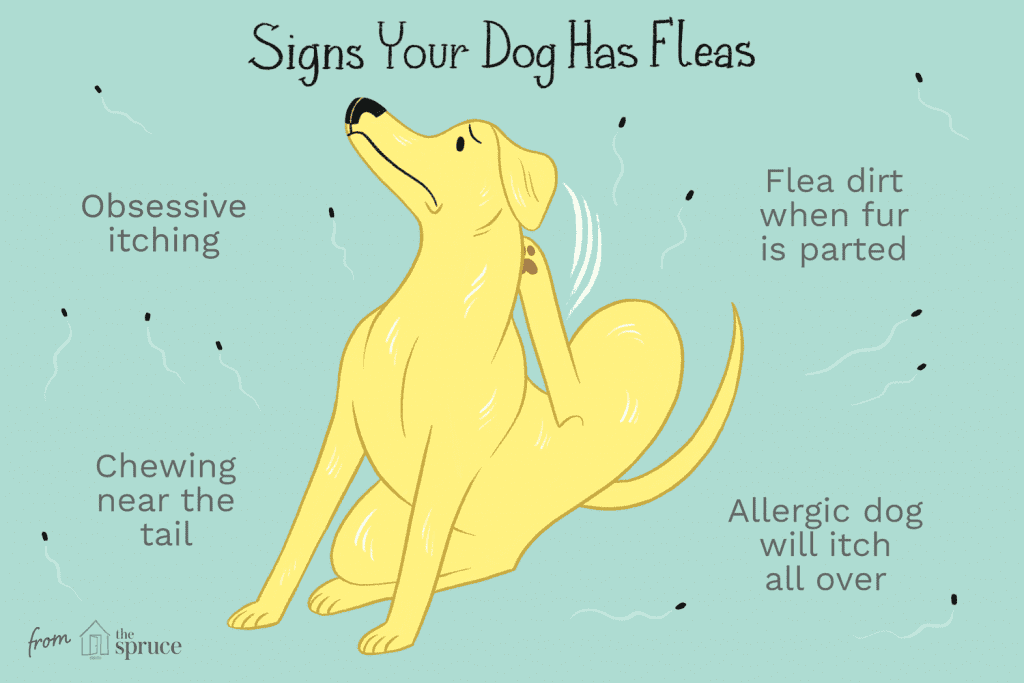
Rottweiler flea and tick control starts with a prevention plan suited to your dog, not a product chosen only because of breed or size. Age, weight, health history, other pets, and local parasite risks all matter. Your veterinarian can help you select an appropriate option and use it correctly.
Regular checks are useful even when you use prevention. If you find parasites or notice persistent itching, act on the problem rather than adding several treatments at once.
Check for Fleas and Skin Changes
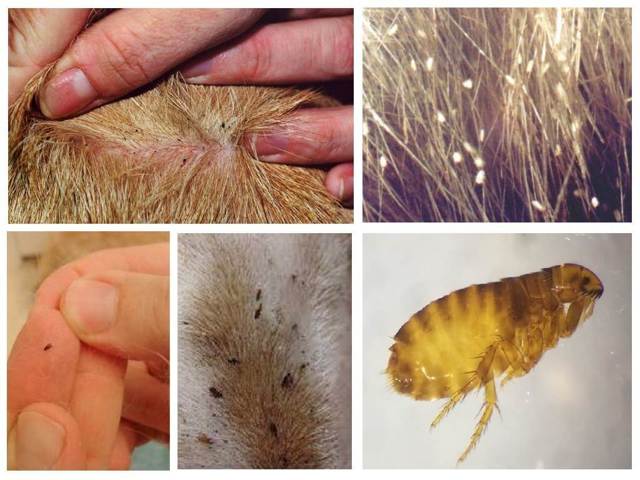
Look through the coat during gentle grooming. Small moving insects or dark specks may be clues, but scratching and skin irritation do not identify a cause on their own. Take a clear photo or ask your veterinary team if you are uncertain what you have found.
Do not assume white specks are definitely flea eggs or that every itchy dog has fleas. Persistent discomfort, sores, or hair loss deserves an assessment. Our shedding and skin warning-sign guide explains why changes in the coat should not always be dismissed as seasonal.
Look for Ticks After Outdoor Time
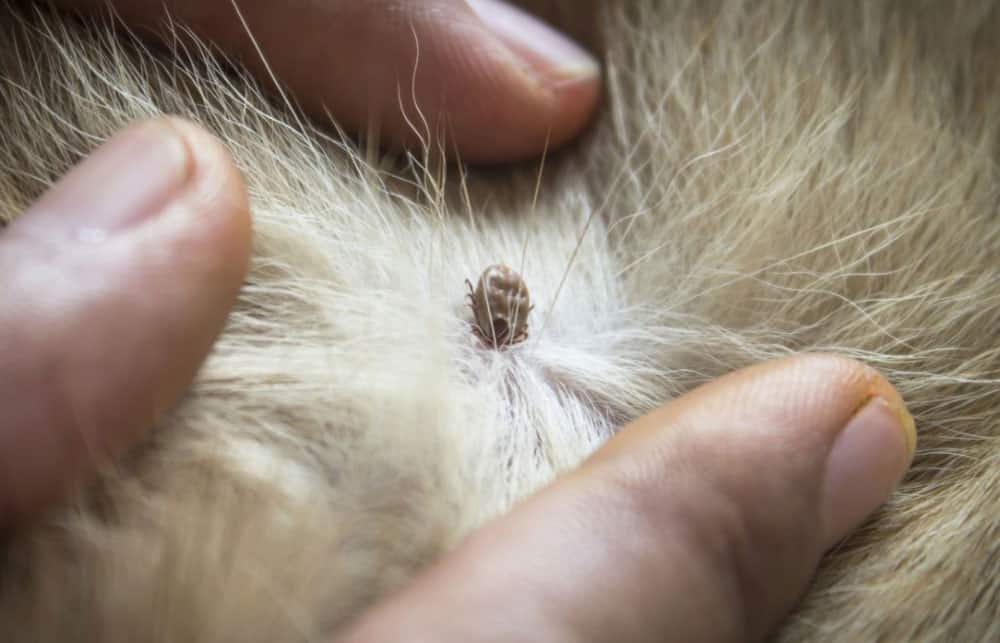
The CDC recommends daily tick checks for pets. Check carefully around the head and ears, beneath the collar, between the toes, and elsewhere on the body. Do not rely only on the areas your dog can easily groom.
If you find an attached tick, remove it promptly using an appropriate technique or contact your veterinary team for help. If using fine-tipped tweezers, grasp close to the skin and pull steadily without crushing the tick. Avoid burning it or applying household substances. If you cannot remove it safely, get assistance rather than digging into the skin.
Note the date and watch for changes in your dog. Tell your veterinarian about the exposure if your dog becomes unwell; a tick bite does not tell you which disease, if any, is involved.
Read the Exact Product Label
The FDA’s flea and tick safety advice emphasizes checking the animal’s species, age, and weight against the label. Do not estimate a dose from another dog’s treatment or assume products with similar packaging are interchangeable.
Ask how to give or apply the product, when the next dose is due, and whether bathing or contact with other animals needs to be managed. Do not combine treatments without professional advice. Keep the packaging so you can identify what was used if a question arises.
Take Extra Care With Puppies and Other Pets
A puppy needs a product specifically appropriate for their current age and weight. There is no single age threshold that makes all flea treatments suitable. Do not replace veterinary advice with a homemade remedy because the puppy is young.
If you also have cats or other animals, tell your veterinarian. A dog product is not automatically safe for another species. Follow any separation instructions after topical treatment and store products where animals and children cannot reach them.
Address the Household, Not Just One Dose
Ask your veterinary team what household steps are needed if fleas are confirmed. Cleaning pet bedding and the areas where animals rest may be part of the plan, alongside appropriate treatment of the pets involved. Use any environmental product only as directed.
Keep a simple record of treatments, findings, and symptoms. If the problem continues, review the plan rather than repeatedly switching or adding products. For a new puppy, keep prevention within the broader first-week veterinary and care routine.
Get Help With Possible Reactions
If your dog becomes unwell after a product, contact your veterinarian promptly and provide the name, amount, and time given. Severe symptoms need urgent care. Do not give another dose while trying to work out what happened without professional guidance.
Effective parasite care is a consistent, individual plan: the right product, correct use, routine checks, and timely help when something changes.