How to Survive a Dog Attack

How to Survive a Dog Attack

written by: TheJoker

There is probably nothing as frightening as getting attacked by a vicious dog. Breeds of dogs that are known to attack humans can weigh more than 150 pounds and kill a small child or even an adult easily. Having knowledge of what to do in case of a dog attack can help someone survive. 


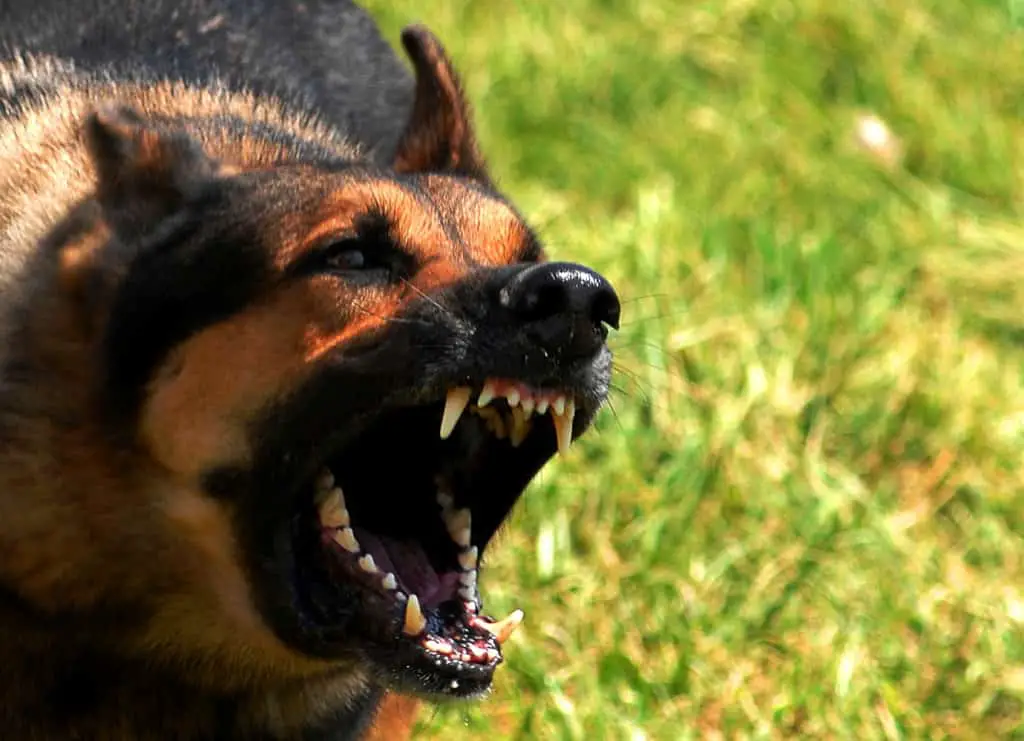
A dog that is on the verge of attack is likely to be staring at its victim, deliberately moving towards him or her while growling, baring teeth and hair raising on back. When confronted by a threatening dog, it is advisable to stop, avoid eye contact and wait for it to exit the area. Should this not be possible, a person should slowly walk backwards until the animal is out of sight. Running away from a dog is a big mistake. Humans cannot outrun a dog, and trying to run away will only make an attack more likely by escalating the situation. 


In case an attack cannot be avoided, the victim should curl into a defensive posture. One should use any object in their hands to shield the face from the dog. If there is a nearby structure like a fence or a tree, the victim should try and use it as support. If the person under attack has a child with them, he or she should turn their back to the dog while placing hands firmly around the kid’s body. This not only prevents the dog from biting the kid, but also deters the kid from moving or running, something that would worsen the injuries. 


There is a commonly occurring image about dog attacks in the media. It usually shows an attacking dog jumping and grabbing the victim’s arms. Usually, the image is preceded by a protagonist wrestling with the dog after wrapping something around his or her arm. Such images are untrue and misleading. The canines uses to film such videos happen to be law enforcement animals trained to immobilize and restrain a target. An ordinary person is unlikely to be attacked by such a dog unless they are a criminal. They are likely to be faced by an aggressive dog that does not aim for the arm. Instead, it will aim for the neck and head. Protecting the head and neck must be done at all costs using the arms or any other nearby objects. If the victim has a child with them, the kid’s neck and head must be protected. 


In case the dog bites some limbs, the victim should not attempt to struggle to be free. The more a person struggles, the more severe his or her injuries will be. The victim should stay completely put, waiting for the animal to let go. Even if it lets go, they should continue staying still until it leaves. Although this seems rather difficult to do, one must try. Struggling and fighting back is the natural tendency. This urge should be resisted as struggling with a dog will only worsen the injuries incurred.


A victim is more likely to suffer life-threatening injuries if he or she is pushed to the ground by the dog. One should therefore try all they can to stay upright. If pushed to the ground, the victim should roll into a ball. 
 

Must-read

Top 10 Foods That Are Toxic to Dogs

As beloved companions, dogs hold a special place in many homes. However, it's crucial for dog owners to understand the potential hazards lurking in...

Puppy and Dog Vaccinations: A Schedule for Every Life Stage

Introduction to Dog Vaccinations Vaccinations are a vital aspect of canine healthcare, ensuring dogs remain protected against various infectious diseases. Regular vaccination not only safeguards...

The German Rottweiler: All You Need to Know

If you're a proud Rottweiler owner, you’ve likely encountered the self-proclaimed "Rottweiler expert" who stops you mid-walk with this question: “Is that a German...

10 Common Dog Health Problems and How to Prevent Them

Dogs bring joy and companionship to our lives.Understanding common dog health problems is crucial for every dog owner. It helps in ensuring a long, happy life for your pet. Some health issues are common across all breeds. Others are specific to certain breeds like Pomeranians and Havanese. Regular veterinary check-ups are essential. They help in early detection and prevention of potential health issues. Dental disease, obesity, and ear infections are among the most common problems. These can often be prevented with proper care. Skin allergies, parasites, and heartworm disease also pose significant risks. Preventive measures can greatly reduce these threats. Proper nutrition, exercise, and grooming play vital roles in maintaining your dog's health. This guide will explore these issues and offer practical tips for prevention. Understanding Dog Health: Why Prevention Matters Prevention is at the heart of maintaining a healthy and happy dog. It stops small problems from becoming big issues. Regular veterinary visits are key. These check-ups can catch illnesses early before they grow worse. Preventive care involves several important practices, such as: Vaccinations to avoid infectious diseases. Parasite control to fend off fleas, ticks, and worms. Regular dental care to keep teeth and gums healthy. A focus on prevention can save you money in the long run. Treating health issues is often more expensive than preventing them. Additionally, a well-cared-for dog lives a longer and more fulfilling life. Good health contributes to their mental and physical well-being. It's important to be proactive about your dog's health. Using preventive measures ensures a vibrant life for your furry friend. Most Common Dog Health Problems Dogs face a variety of health challenges over their lifetimes. Awareness of these common issues can help owners be proactive. Early detection often results in better outcomes. Some prevalent health problems include: Dental disease, a significant concern affecting many dogs. Obesity, which is increasingly common and impactful. Ear infections, especially in breeds with floppy ears. Recognizing these problems early can lead to faster interventions and less suffering for your dog. Regular veterinary check-ups and diligent home care are essential components. Addressing these issues promptly ensures your dog’s healthy lifestyle continues. 1. Dental Disease Dental disease is a widespread concern for dogs. By age three, over 80% of dogs show signs of dental issues. Problems range from gingivitis to periodontal disease, impacting your dog’s overall health. Key signs of dental disease include: Bad breath Inflamed gums Difficulty chewing Ignoring dental health can lead to serious complications. Infections can spread from the mouth to other organs, causing severe damage. Regular cleaning and veterinary check-ups can prevent most dental issues. Establishing a routine for brushing your dog's teeth is crucial. Use dog-specific toothpaste and a suitable toothbrush. Dental treats and toys can also help reduce tartar buildup. 2. Obesity Obesity is a growing problem in the canine...

Caring for Your New Rottweiler Puppy

Bringing a new Rottweiler puppy into your home is an exciting time. These adorable bundles of joy are full of energy and curiosity. However, owning...

Understanding the Rottweiler Breed Standard Guidelines

The Rottweiler breed is known for its robust physique and distinctive black and tan coat. But what defines a true Rottweiler? The answer lies in...
1,530,000FansLike
219,000FollowersFollow
3,557FollowersFollow
223,000FollowersFollow
9,131FollowersFollow
460,000SubscribersSubscribe

Recent articles

More like this