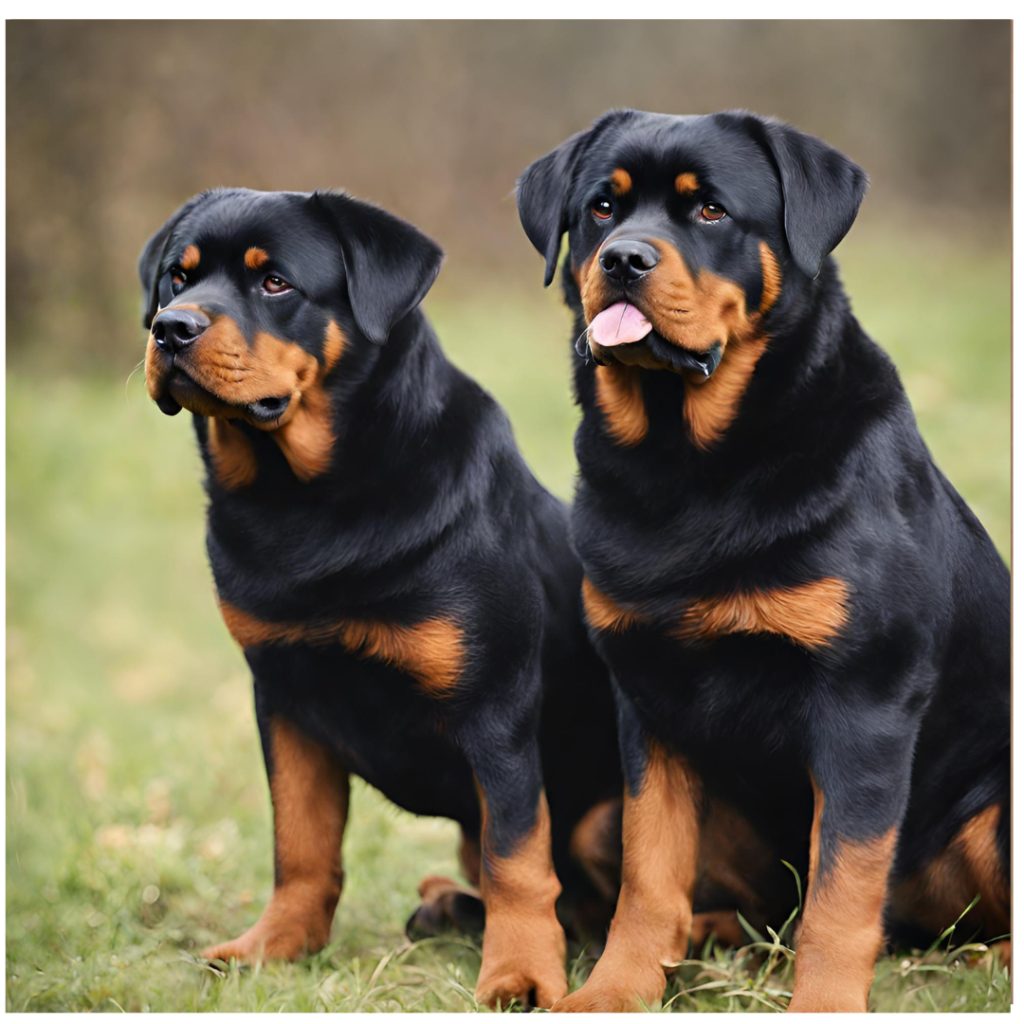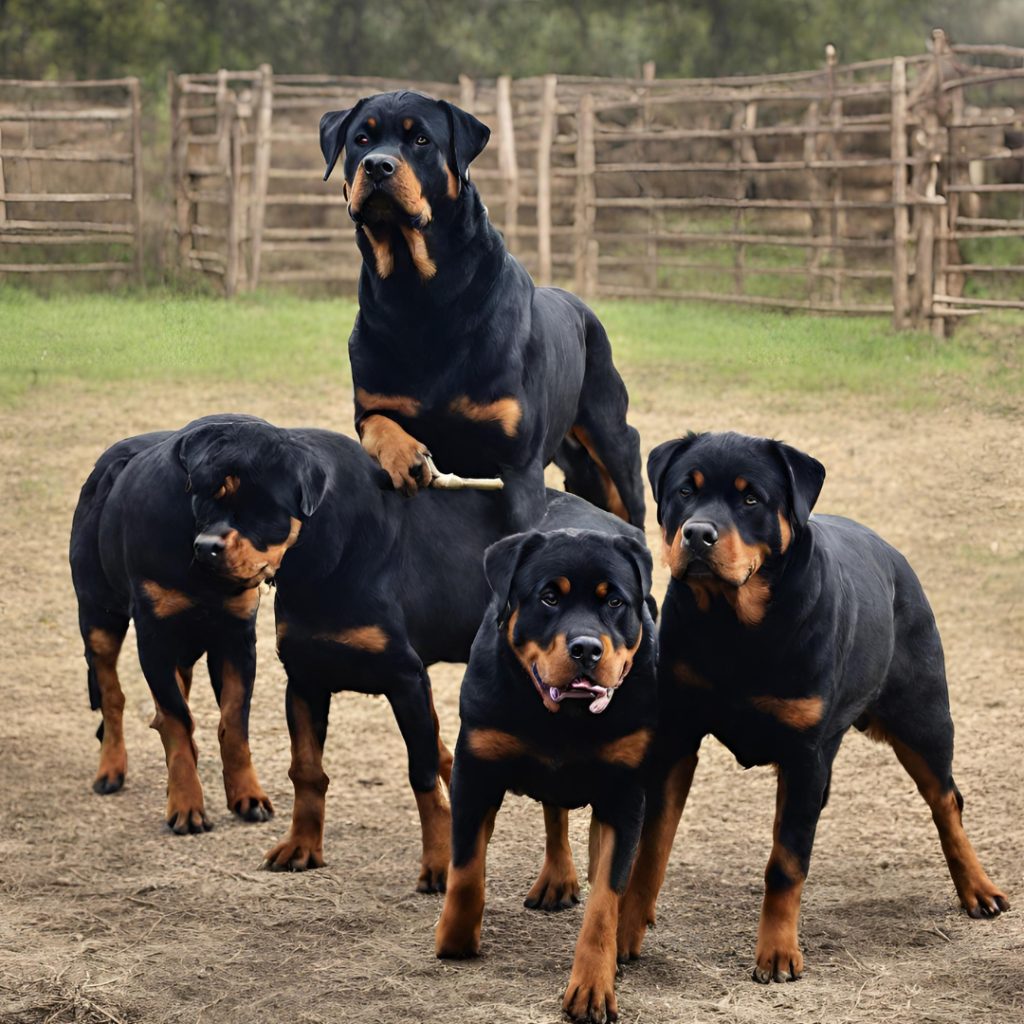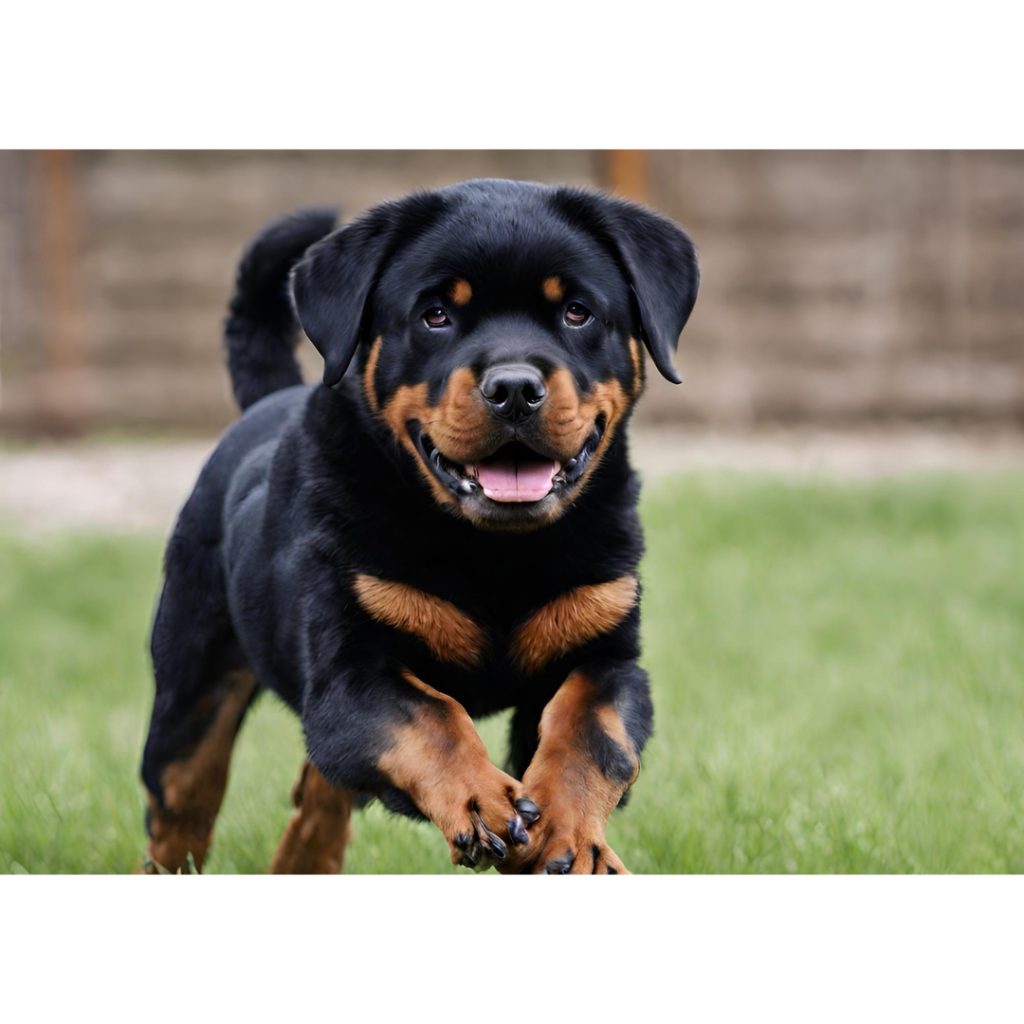
A good Rottweiler training guide should help you build cooperation, not simply control a powerful dog. Rottweilers are intelligent, observant, and deeply attached to their families. They often learn quickly, but they also notice inconsistency. Clear routines, fair boundaries, and reward-based training give them the structure they need to succeed.
Training starts the day your Rottweiler comes home, whether you have an eight-week-old puppy or an adult rescue. The goal is not instant obedience. It is a reliable relationship in which your dog understands what earns rewards, feels safe around everyday situations, and can make good choices even when excited.
Start Rottweiler Training With Realistic Expectations
Young puppies have short attention spans and need frequent breaks. Adult dogs may arrive with established habits or limited experience of household life. Work with the dog in front of you rather than comparing progress with another Rottweiler.
Keep early sessions to a few minutes and finish while your dog is still engaged. Several short practices during the day are usually more useful than one long session. Use the same cue words and household rules so every family member gives consistent information.
Use Reward-Based Training
Reward the behavior you want to see again. Food treats are convenient, but rewards can also include a toy, praise, access to the garden, or permission to greet a favorite person. The best reward is something your dog values at that moment.
Give the reward immediately after the correct response. If you ask for “sit,” mark the moment your dog sits with a word such as “yes,” then deliver the reward. This timing helps the dog understand exactly what worked.
Avoid hitting, intimidation, or deliberately provoking your dog. Punishment can increase fear and conflict without teaching a useful alternative. If your Rottweiler jumps on visitors, for example, teach and reward four paws on the floor or settling on a mat.
Socialize Your Rottweiler Carefully
Socialization means helping a dog feel safe and behave appropriately around the world. It does not mean forcing a puppy to meet every person or dog. Positive, controlled exposure is more valuable than overwhelming contact.
Introduce different surfaces, household sounds, calm visitors, car rides, grooming, and veterinary-style handling at a pace your dog can manage. Pair new experiences with treats and distance. If your puppy freezes, hides, refuses food, or tries to escape, make the situation easier.
Choose calm, healthy dogs for early introductions. A crowded dog park is not necessary for good social development and may be too intense. Puppy classes led by a qualified reward-based trainer can provide useful practice in a managed environment.
Essential Skills to Teach
Name Response and Attention
Say your dog’s name once. When they look toward you, mark and reward. Practice in a quiet room before adding mild distractions. A strong attention response makes every other lesson easier.
Sit, Down, and Settle
Use a treat to guide the movement, then reward the finished position. Gradually reduce the visible lure and add the verbal cue. A settle on a bed or mat is especially valuable when guests arrive, meals are served, or the household needs quiet time.
Come When Called
Begin indoors at a short distance. Say the cue cheerfully, move away, and reward generously when your dog reaches you. Never punish a dog after they come, even if they were slow. Outdoors, use a long line until recall is dependable; do not test an unfinished recall near roads or other hazards.
Loose-Leash Walking
Reward your Rottweiler for staying near you before the leash becomes tight. Stop or change direction when pulling begins, then reward renewed attention. Practice where distractions are manageable and build toward busier places gradually.
Leave It and Drop It
Teach “leave it” by rewarding your dog for moving away from an item. Teach “drop it” by trading a toy for something equally good or better, then sometimes return the toy. Trading helps prevent chasing and conflict over possessions.
Create a Daily Training Routine
Training fits naturally into ordinary life. Ask for a brief pause before opening a door, reward calm behavior while preparing food, practice recall between rooms, and reinforce relaxed behavior when nothing exciting is happening.
Provide suitable physical exercise, sniffing opportunities, chew items, and rest. An overtired puppy can become mouthy and unfocused, while an under-stimulated adult may invent unwanted activities. Mental work should complement exercise rather than replace it.
Common Rottweiler Training Problems
Puppy Biting and Mouthing
Keep toys within reach and redirect teeth away from skin and clothing. If biting becomes intense, calmly pause the interaction and give the puppy a chance to settle. Make sure the puppy is getting enough sleep. Repeated hard biting, guarding, or behavior accompanied by stiffness deserves professional assessment.
Jumping on People
Prevent rehearsal by using a leash, gate, or distance when visitors enter. Reward four paws on the floor, or send the dog to a trained mat. Ask visitors to withhold attention while the dog is jumping and greet only when calm.
Ignoring Cues
A dog that responds in the kitchen but not outdoors is not necessarily stubborn. The outdoor version is a harder skill. Reduce the distraction, increase the value of the reward, and rebuild the response in small steps.
For more focused help, explore our Rottweiler behavior guides and Rottweiler training articles.
Training an Adult Rottweiler
Adult Rottweilers can learn new skills. Begin with predictable routines and simple behaviors that earn rewards. Give a newly adopted dog time to decompress before expecting confident behavior in busy environments.
Management is part of training. Gates, secure fencing, leashes, and a quiet resting area prevent mistakes while new habits develop. If the dog has a history of biting, serious guarding, or intense reactions, do not experiment with confrontational methods. Seek help from a veterinarian and a qualified behavior professional.
When to Get Professional Help
Contact your veterinarian if behavior changes suddenly, since pain or illness can affect behavior. Get qualified help for growling around food or objects, snapping, bites, severe fear, separation distress, or reactions that you cannot manage safely.
Choose a trainer who explains methods clearly, uses rewards, and does not guarantee an instant cure. A good professional will consider the dog’s health, environment, learning history, and the safety of everyone involved.
Frequently Asked Questions
Are Rottweilers Hard to Train?
Rottweilers are often quick learners, but their size and strength make consistency important. Short sessions, useful rewards, and gradual practice around distractions produce better results than force.
When Should Rottweiler Puppy Training Begin?
Begin immediately with gentle lessons such as name response, toilet routines, handling, and settling. Formal skills can be introduced in very short sessions appropriate for the puppy’s age.
How Long Does Training Take?
Training continues throughout a dog’s life. Basic behaviors may improve quickly, but reliability in new places requires repeated practice. Adolescence can temporarily make familiar skills less consistent, so return to easier exercises and keep rewarding success.
Successful Rottweiler training is built through thousands of ordinary moments. Be clear, patient, and generous when your dog gets it right. With thoughtful socialization and consistent practice, your Rottweiler can become a confident companion who understands how to live safely and comfortably with your family.