
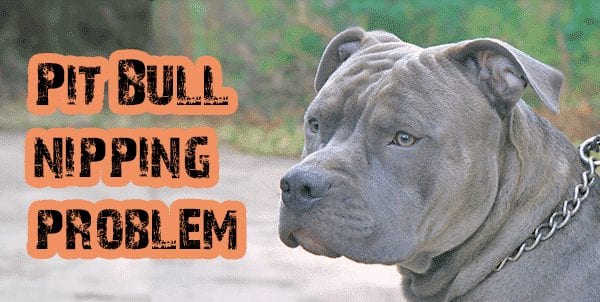
In the world of canine companions, Pit Bulls have earned a special place in many people’s hearts. Their loyalty, intelligence, and affectionate nature make them wonderful pets for those who are willing to provide them with the proper care and training. However, like any breed, Pit Bulls can exhibit certain behavioral issues, and one common problem that Pit Bull owners may encounter is nipping. In this article, we will explore the reasons behind Pit Bull nipping, how to address it, and essential tips for responsible Pit Bull ownership.
Understanding the Pit Bull Breed
Pit Bulls are often misunderstood due to negative media portrayals, but they are, in fact, a loyal and loving breed. They were originally bred for bull-baiting, which required them to have a strong bite and determination. This heritage may contribute to their nipping tendencies, but it’s essential to remember that every Pit Bull is an individual with unique behavior.
Why Do Pit Bulls Nip?
Nipping is a behavior that can be observed in many dog breeds, not just Pit Bulls. It’s often a form of communication, play, or a response to anxiety. Understanding why your Pit Bull nips is the first step in addressing the issue effectively.
The Importance of Socialization
Socialization is a critical aspect of Pit Bull upbringing. Early exposure to different people, animals, and environments can help reduce nipping tendencies. It teaches your Pit Bull appropriate behavior and helps build their confidence.
Positive Reinforcement Training
Training methods based on positive reinforcement are highly effective with Pit Bulls. Rewarding good behavior encourages them to repeat it, gradually reducing nipping incidents. Consistency and patience are key when using this approach.
Identifying Triggers
Observing your Pit Bull’s behavior can help you identify specific triggers for nipping. These triggers can range from fear and anxiety to excitement. Recognizing them allows you to address the root causes.
Handling Pit Bull Nipping
When your Pit Bull nips, it’s essential to respond appropriately. Avoid harsh punishment, as it can exacerbate the problem. Instead, use redirection techniques and offer toys or treats to distract them from nipping.
Seeking Professional Help
If your Pit Bull’s nipping problem persists or escalates, consulting a professional dog trainer or behaviorist is a wise choice. They can assess the situation and provide tailored guidance to address the issue effectively.
Pit Bull Nipping vs. Aggression
It’s crucial to distinguish between nipping and aggression in Pit Bulls. Nipping is often a learned behavior that can be corrected, while aggression requires a more in-depth approach and professional guidance.
Common Pit Bull Myths Debunked
Many myths surround Pit Bulls, including the belief that they are naturally aggressive. Debunking these myths is essential to promote responsible ownership and break down stereotypes.
Responsible Ownership Practices
Owning a Pit Bull comes with responsibilities that extend beyond training. Here are some crucial practices for responsible Pit Bull ownership:
Exercise and Mental Stimulation
Pit Bulls are active dogs that require regular exercise and mental stimulation. Providing them with physical and mental challenges helps reduce nipping due to boredom.
A Loving Environment
Creating a loving and secure environment is vital for your Pit Bull’s well-being. They thrive on affection and a sense of belonging within the family.
Regular Veterinary Check-ups
Routine check-ups and vaccinations are essential to ensure your Pit Bull’s health. A healthy dog is less likely to exhibit behavioral issues.
Pit Bulls and Children
If you have children, it’s crucial to educate them about safe interactions with your Pit Bull. Supervision and teaching boundaries can prevent nipping incidents.
Conclusion
Pit Bull nipping is a common behavior that can be managed with the right approach. Understanding your Pit Bull’s needs, providing proper training, and seeking professional help when necessary are key to addressing this issue. Remember that responsible ownership plays a significant role in shaping your Pit Bull’s behavior and ensuring a happy and harmonious relationship between you and your beloved pet.
Pit Bulls FAQs
1. Are Pit Bulls inherently aggressive?
No, Pit Bulls are not inherently aggressive. Their behavior largely depends on their upbringing, socialization, and individual temperament.
2. Can I train my Pit Bull to stop nipping at home?
Yes, you can train your Pit Bull to stop nipping at home by using positive reinforcement techniques and consistent training methods.
3. How do I socialize my Pit Bull puppy?
Socializing your Pit Bull puppy involves exposing them to various people, animals, and environments from a young age. Gradual introductions and positive experiences are key.
4. When should I seek professional help for my Pit Bull’s nipping behavior?
If your Pit Bull’s nipping behavior continues despite your efforts, or if it escalates into aggression, it’s advisable to consult a professional dog trainer or behaviorist.
5. Can Pit Bulls be good family pets?
Yes, Pit Bulls can be excellent family pets when raised in a loving and responsible environment. They are known for their loyalty and affection toward their human family members.
