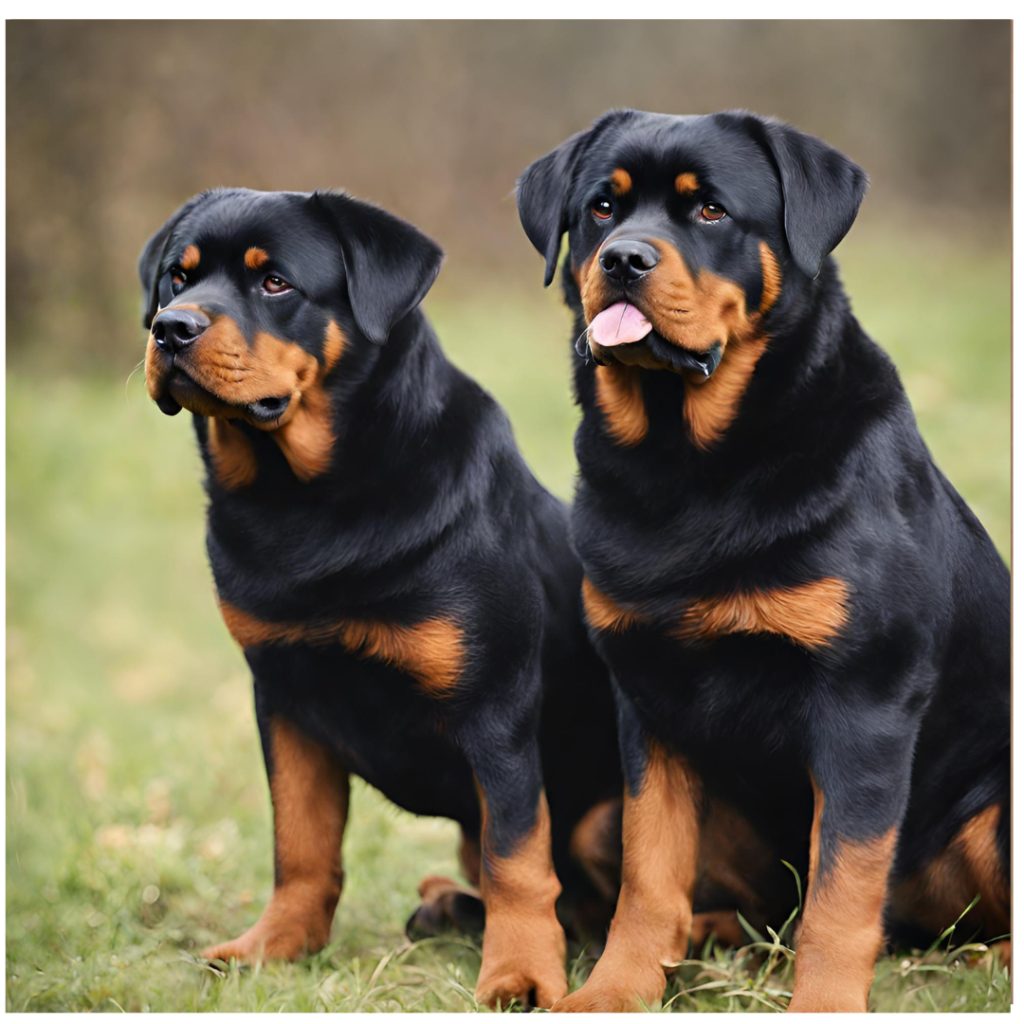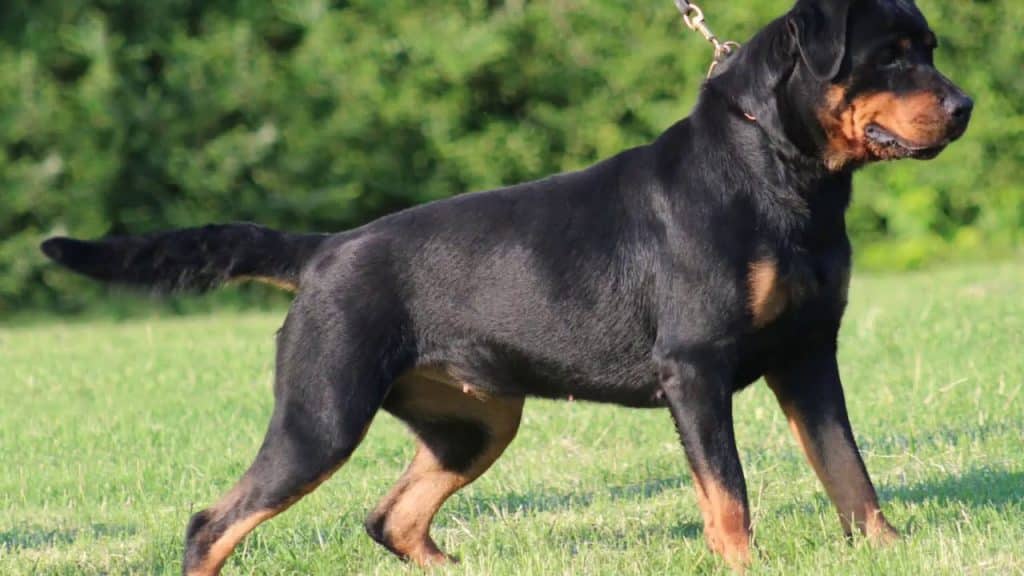
The Rottweiler origin story leads to Germany, even when the dog beside you was born somewhere else. The breed takes its name from Rottweil, a town associated with its development as a working cattle dog. That history is different from the birthplace or pedigree of an individual Rottweiler.
Separating those ideas helps clear up a familiar question: is a dog “German” or “American”? Those labels need context. They should not replace a careful look at the dog’s documented background, health and individual needs.
From working ancestors to Rottweil
The FCI breed standard identifies Germany as the Rottweiler’s country of origin and describes a history connected with Roman-era herding and driving dogs. The breed later became closely associated with Rottweil and the work of moving and guarding cattle.
Historical summaries are useful, but they are not a complete pedigree for every modern dog. It is better to describe this working background carefully than to invent a precise ancient breeding program or treat a modern Rottweiler as unchanged from a Roman dog.
Why the butcher’s dog name appears
The Rottweiler’s association with butchers and livestock is reflected in the traditional name Rottweiler Metzgerhund. Its practical working role is an important part of the breed’s identity, not simply a story about looking intimidating.
The AKC’s breed-history account follows the Rottweiler’s development from working dog into later roles. Changes in how livestock was transported reduced the need for older cattle-driving jobs, while other kinds of work helped sustain interest in the breed.
A clearer modern timeline
The FCI historical summary dates official recognition for police work to 1910. For the United States, the AKC’s registration timeline lists the Rottweiler in 1931. Recognition dates, club founding dates and the publication of a breed standard are different events and should not be mixed together.
Likewise, working achievements belong to particular trained dogs and handlers. A breed’s service history does not mean every puppy will be suited to police work, therapy visits or any other specialist activity.
German origin does not identify a dog’s birthplace
A Rottweiler can belong to a German-origin breed and be born in the United States or another country. When someone uses a geographic label, ask whether they mean birthplace, imported parents or earlier ancestry. Those are not interchangeable claims.
Registration and pedigree records are more useful than guesses based on head size or a photograph. For a buyer, the practical questions extend beyond a label: see our guide to buying a German Rottweiler for the records and conversations worth prioritizing.
What the history means for owners today
A strong working background is a reason to take training, suitable activity and responsible management seriously. It is not a reason to encourage suspicion or assume your dog will naturally make safe decisions around visitors and children.
Choose activities around the dog you have: their age, health, interests and ability to settle. Reward-based teaching and consistent household routines matter more than a dramatic origin story. No geographic label guarantees temperament, and no pedigree removes the need for everyday care.
Enjoy the breed’s history while keeping those distinctions clear. Rottweil explains the name and an important stage in the breed’s development. Your own dog’s records explain their background; living with them thoughtfully helps you understand the individual.