
All living beings have a level of tolerance towards the conditions to which they get subjected during their lifespan. Often it happens that we choose a pet that may not be ideal for a particular climatic condition.
Choosing the pet based on the natural conditions can help you acclimatize them easily to the new setting. For example, if you are in Mannford, Oklahoma, and planning to get a pet, you must check the weather conditions first.
Mannford weather can suit most pets. The temperatures are generally in the comfortable range in Mannford with August hitting the highest levels on the mercury. February is when one can expect snow in Mannford. Rottweilers can be a great pet for all such conditions.
Can They Handle Extremes?
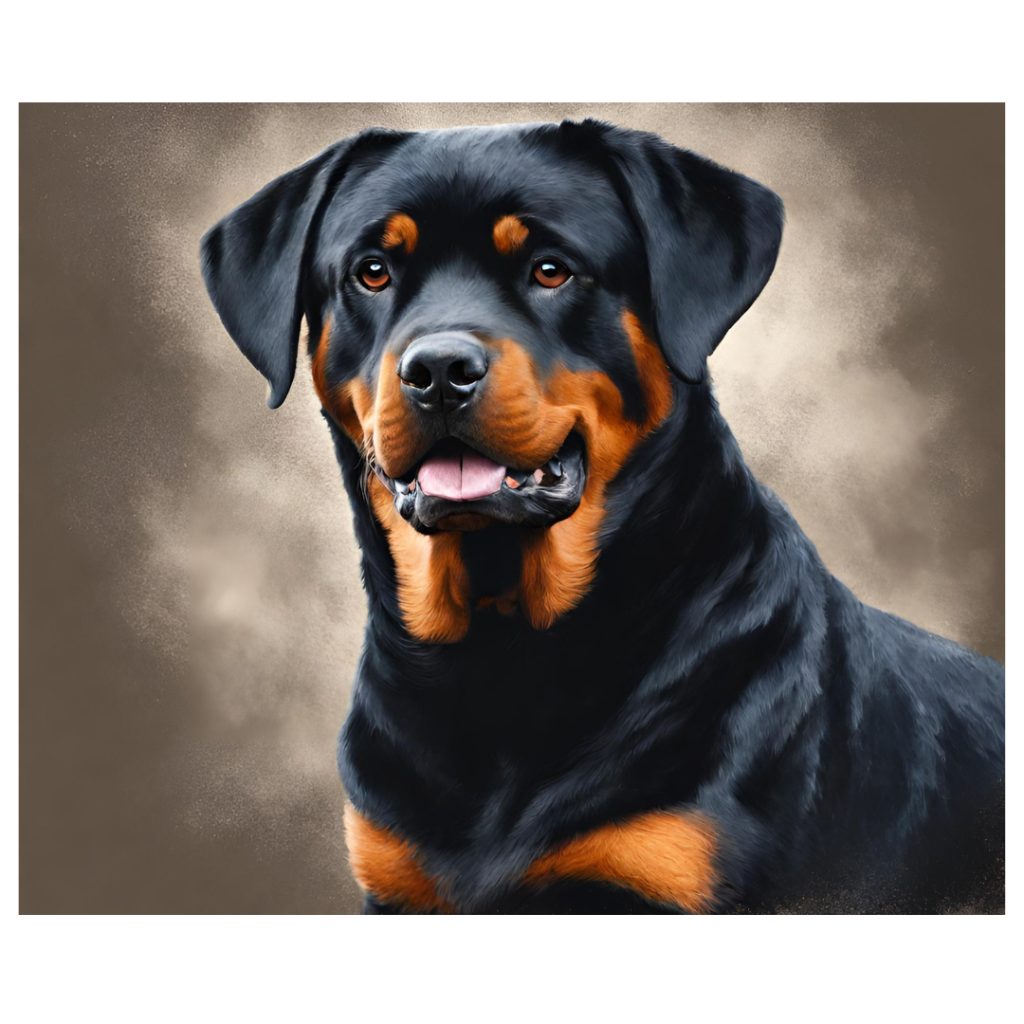
Rottweilers can handle cold weather better than most breeds of dogs. The dog breed has a double coat that keeps them warm. The black color of the coat often makes them look very aggressive and fearful too.
Dogs that face cold climatic conditions, generally have a thicker coat. However, rottweilers with their short coats can withstand cold very well. They withstand temperatures upwards of twenty degrees safely.
The out coat of this breed helps them to isolate and keep themselves dry. Although it is not advisable to frequently expose them to extremely low temperatures.
We prepare ourselves to brace for the winters. Do we take the necessary steps that are essential to keep our dogs prepared for the winter? Your rottweiler can ride through the extremities of harsh weather conditions if you know how to take care of them during such times.
Rottweilers are native to Germany. This aspect ensures that the body structure of this breed of dog has all that it takes to bear cold winters. Checking the outside temperature before letting them go out is of course a good idea.
Severe temperature conditions can be unbearable for the rottweilers. You can choose to keep them away from extremely cold temperatures. Another crucial aspect that is worth mentioning here is the pedigree of the dog you opt for.
The dogs that have a direct lineage linking back to animals of the breed that are native to Germany show higher strength to face harsh cold conditions.
Cold Weather
The inherent ability of the rottweilers to face extreme cold makes them one of the most opted choices in the colder regions. The breed is native to Germany, where the temperature reaches only seventy degrees Fahrenheit in the summer.
The birth and raising of the dogs have a significant impact on their temperature tolerance levels. Gripping extreme temperatures can happen better when the raising of the dogs takes place in cold conditions. If the lineage of your rottweiler suggests that the birth of the pet’s parents or the pet were not in Germany, then the chances are your pet will not be able to handle extreme temperatures.
Rottweilers can flourish in colder conditions. However, since these pets did not have exposure to extreme cold conditions during their lifespan, they will not be surviving too long under such circumstances.
Rottweilers love to play outdoors in the cold. The reason for this can be because the dogs were initially bred as working dogs. This breed was especially nurtured to handle cold weather conditions. If you give your rottweiler a chance to stay inside or play outside, they will most likely opt to stay outdoors.
The solid and dense coats of rottweilers help them have a natural shield against harsh conditions and provide for isolation. The coat drops twice a year. The growth of a new coat generally happens at the onset of a season change. The coat gradually becomes thicker to embrace it.
How to Keep Them Warm?
If your pet lives indoors, there are not many changes required in their living arrangements and diet. Your house’s centralized heating can take care of them too, as they take care of you. They can aid in keeping them comfortable throughout the winter.
For the indoor ones, the food generally remains the same most of the year. Therefore, there are no special dietary arrangements that you need to take for them during the winters. They can go out for walks during the winter months, which is not a big deal.
For the ones that spend most of their time outdoors, there are a couple of changes that you can make for them. It can start with their living arrangements and diet. During this time, you can switch to a natural diet and stop any other feeds. You can make sure that there are enough provisions for water.
Administering more liquids to your rottweiler can be a great idea during the winter months as they help keep them warm. You can give them soup-type foods that ensure the same.
Therefore it can help you properly take care of your pet if you check their adaptability to temperature conditions. You can choose to keep a rottweiler that can withstand cold temperatures. However, exposure to very harsh conditions is not advisable.