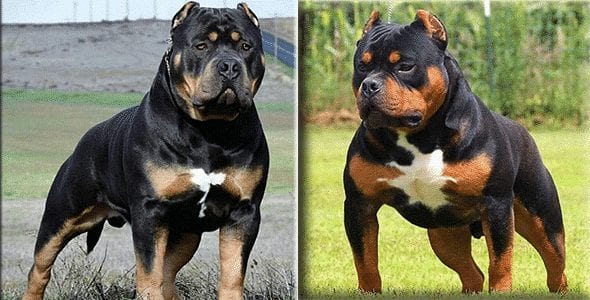
Rottweiler Pit mix care should be based on the dog you have, not a fixed size, feeding formula or personality promised by a breed label. A mixed-breed dog can vary considerably in build, energy and behavior.
Start with a veterinary assessment and a routine you can maintain. Good care means noticing how your dog is doing and adjusting when their needs change.
Choose Food for Life Stage and Body Condition
Ask your veterinarian to recommend a complete, balanced diet and an appropriate starting amount. Review portions as your dog grows or their activity changes. The AAHA nutrition guidance emphasizes food suitable for growth and special consideration for large-breed puppies.
Do not use a generic grams-of-protein or fat-per-kilogram formula to assemble meals. Nor does cold weather automatically mean your dog needs much more food. Their actual condition and circumstances matter.
Discuss meal frequency for your dog’s age and needs instead of applying the same schedule to every puppy and adult. Keep track of treats as well as meals so you can give your veterinarian an accurate picture of intake.
Make Activity Suitable, Not Exhausting
There is no universal daily exercise target for every Rottweiler Pit mix. Age, health, fitness and the weather should shape the plan. Combine manageable walks with sniffing, short training games and quiet rest.
Watch how your dog moves during and after activity. Reluctance, limping or an unusual change in stamina deserves attention rather than a label of laziness. Ask your veterinarian about limitations before introducing strenuous exercise.
Our activity ideas for Rottweilers offer options you can adapt. You do not need to fit every activity into one day or turn every walk into a workout.
Teach Skills Without Breed Stereotypes
A mix does not forget training because a parent breed is described as aloof. Give clear cues, reward useful responses and practice in situations your dog can manage. If a lesson fails, look at the difficulty and your timing before assuming stubbornness.
Useful everyday skills include coming when called, walking comfortably on a lead and settling in a safe space. Manage access to rubbish, food and other temptations while those skills develop.
For a practical starting point, read our guide to capturing, luring and shaping. Get professional help if fear, guarding or reactions around other animals make everyday situations difficult to handle.
Keep Grooming and Health Checks Routine
Work out a brushing routine that suits your dog’s actual coat. Use grooming as a chance to notice irritated skin, new lumps or sensitivity, not as a substitute for veterinary care.
Build comfortable handling gradually so checking paws and putting on equipment are not struggles. Ask your veterinary team about dental care, nail maintenance and what changes to report. Do not treat ear or skin problems with an improvised product simply because it is marketed as natural.
Keep vaccination, parasite prevention and other appointments on an individualized plan. Bring questions and changes you have noticed to those visits.
Know an Emergency When You See One
Do not assume mixed ancestry removes health risks, or that a parent breed’s risk means your dog will certainly become ill. Discuss relevant concerns with your veterinarian.
Repeated attempts to vomit without bringing anything up, abdominal enlargement and distress can indicate gastric dilatation-volvulus, a life-threatening emergency. Contact an emergency veterinarian immediately if this is suspected. The American College of Veterinary Surgeons explains GDV and its treatment. Do not wait for a home feeding adjustment to solve it.
Check Practical Arrangements Before a Problem Arises
Confirm the current requirements of your local authority, housing provider and any travel or boarding service you intend to use. Do not rely on a blanket claim that every mixed-breed dog needs a special permit or is banned from public roads.
Maintain secure containment, suitable walking equipment and a plan for care when you are away. The aim is a workable routine that supports this individual dog throughout their life.