Puppy and Dog Vaccinations: A Schedule for Every Life Stage

Introduction to Dog Vaccinations

Vaccinations are a vital aspect of canine healthcare, ensuring dogs remain protected against various infectious diseases. Regular vaccination not only safeguards the individual dog but contributes to the overall health of the canine population by preventing the spread of contagious diseases. This article aims to provide a detailed overview of the vaccination schedule tailored to different life stages of dogs, emphasizing the importance of both core and non-core vaccines.

Importance of Vaccinations for Dogs

Vaccinations play a crucial role in immunizing dogs against serious illnesses such as parvovirus, distemper, rabies, and hepatitis. By stimulating the dog’s immune system, vaccines prepare it to fight off infections more effectively. This proactive approach helps avoid potential health complications, lengthy treatments, and, in some cases, even the risk of death associated with these diseases.

Moreover, vaccinations contribute to herd immunity. When a significant portion of the dog population is vaccinated, it reduces the likelihood of disease outbreaks, protecting those who are unvaccinated or those who may not respond well to vaccines. Hence, responsible pet ownership includes adhering to a proper vaccination schedule, which is fundamental for both individual and community health.

Overview of Common Dog Vaccinations

Dog Vaccinations
Dog Vaccinations

Vaccines for dogs can be categorized into two main groups: core vaccines and non-core vaccines. Core vaccines are considered essential for all dogs, regardless of their lifestyle, due to the severe nature of the diseases they prevent. Non-core vaccines are recommended based on a dog’s specific environment, lifestyle, and exposure risks.

The core vaccines include those against canine parvovirus, distemper, adenovirus (hepatitis), and rabies. Non-core vaccines may include those for Lyme disease, bordetella (kennel cough), and leptospirosis, among others. This categorization helps pet owners make informed decisions based on their dog’s needs and risks.

Puppy Vaccination Schedule

Initial Vaccinations at 6-8 Weeks

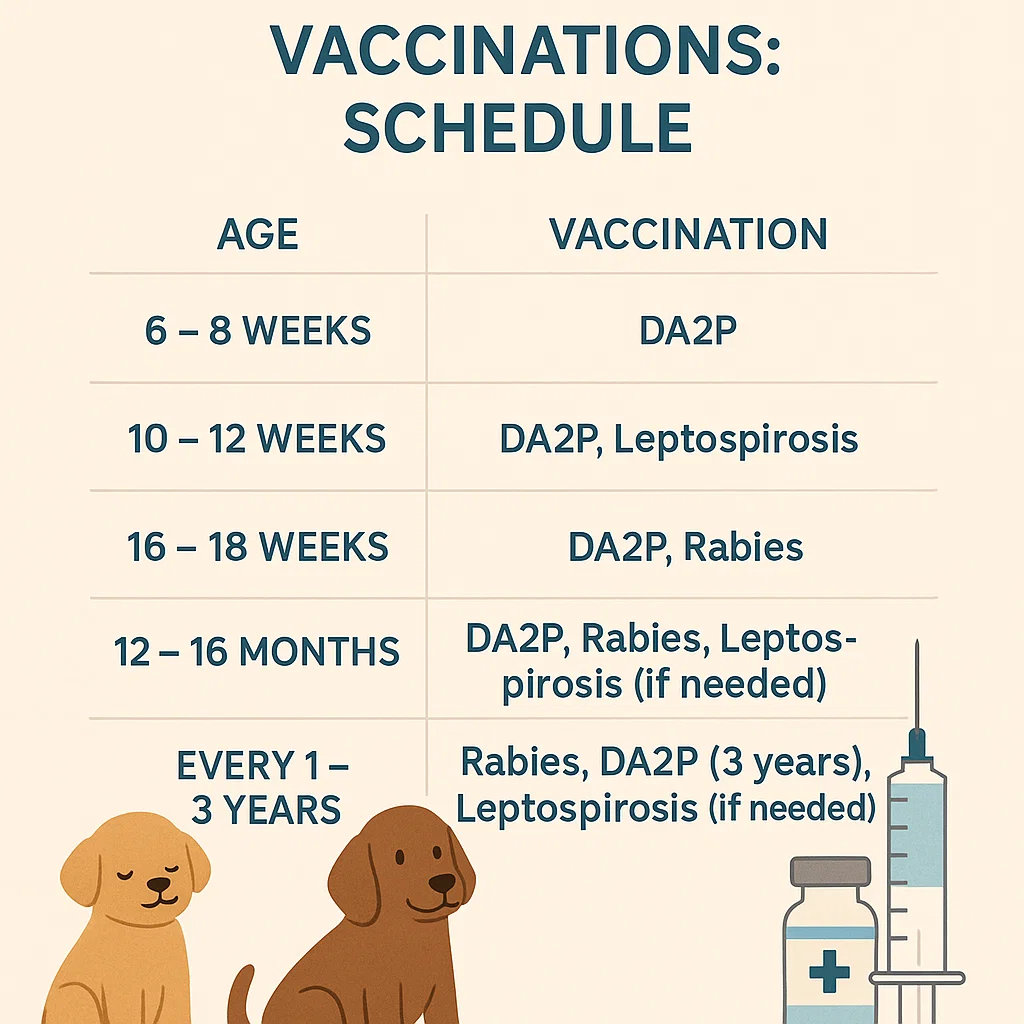
Puppies should receive their first set of vaccinations between six to eight weeks of age. At this stage, the vaccines typically include the DAP (Distemper, Adenovirus, and Parvovirus) combination vaccine. This initial vaccination is critical, as it helps establish the puppy’s immunity against these diseases at a young age when they are most vulnerable.

Additionally, if the puppy is at risk for leptospirosis or bordetella, these vaccines may also be administered concurrently. It is essential to consult a veterinarian for tailored advice on the best vaccination strategy for your puppy based on its environment and exposure potential.

Second Set of Vaccinations at 10-12 Weeks

The second round of vaccinations typically occurs at 10 to 12 weeks of age and includes a booster of the DAP vaccine. This booster enhances the immune response established by the initial vaccination, providing a more robust protection against these serious diseases.

At this stage, the rabies vaccine is often administered as well, depending on local regulations regarding rabies vaccinations. The timing may vary based on state laws, so it’s crucial to stay informed about local requirements to ensure compliance and proper health management of your puppy.

Final Puppy Vaccinations at 14-16 Weeks

The final set of vaccinations occurs between 14 to 16 weeks of age, completing the puppy’s primary vaccination series. This visit typically includes a DAP booster and a rabies vaccination if not previously given. Some veterinarians may also recommend additional non-core vaccinations such as the Lyme vaccine or the bordetella vaccine based on the puppy’s lifestyle.

It’s important to note that these vaccinations are not just a one-time requirement but are foundational for a dog’s immune system. Following the vaccination schedule diligently can greatly reduce the risk of contracting dangerous diseases as the dog grows.

Adult Dog Vaccination Schedule

Core Vaccinations for Adult Dogs

Once dogs reach adulthood, usually around one year of age, they will require booster vaccinations to maintain their immunity. The core vaccines that need to be administered include the DAP and rabies vaccinations, which are typically given annually or every three years, depending on the specific vaccine used and local regulations.

Regular boosters ensure that the immunity levels remain high, thus safeguarding the dog against diseases that could present serious health risks. The veterinarian will decide the appropriate timing for these boosters based on each dog’s individual health needs and history.

Non-Core Vaccinations Based on Lifestyle

Non-core vaccinations for adult dogs are often determined by lifestyle factors, including exposure to other dogs, travel habits, and overall health status. For example, if an adult dog frequents dog parks or attends grooming facilities, vaccines for bordetella and canine influenza may be recommended to mitigate exposure to these diseases.

Similarly, if the dog travels to areas where diseases like Lyme disease are prevalent, a Lyme vaccine might be advised. Pet owners should discuss their dog’s specific needs with their veterinarian to create a tailored vaccination plan that reflects any lifestyle changes or risk factors.

Boosters and Their Importance

Boosters are critical for adult dogs to maintain immunity levels established during puppyhood. The timing of boosters depends on the type of vaccine and the individual dog’s health history. Some vaccines, like rabies, may be required by law to be given every one to three years, while others may have different schedules. Regular veterinary checkups are essential to ensure that the dog remains up-to-date on vaccinations and overall health.

Additionally, during these visits, veterinarians can assess any health changes and determine if there is a need for adjustments in the vaccination schedule based on the dog’s age, lifestyle, and any underlying health issues.

Senior Dog Vaccination Considerations

Vaccination Needs for Aging Dogs

As dogs age, their immune systems may weaken, making them more susceptible to diseases. It is essential to adjust their vaccination schedule accordingly. Senior dogs, generally classified as those over seven years of age, may require fewer vaccines, with a focus on core vaccinations that address the most pressing health risks.

Veterinarians often recommend fewer or more spaced-out vaccines for senior dogs, especially if they are experiencing health issues. The goal is to maintain a balance between protecting the dog from diseases while not overwhelming their immune system.

Health Assessments and Vaccination Adjustments

Regular health assessments are critical for senior dogs. When considering vaccinations, veterinarians will evaluate the dog’s overall health, weight, and any chronic conditions it might have. This evaluation helps determine the best vaccination protocol, ensuring the dog receives the necessary immunizations without adverse effects.

In some cases, blood tests may be conducted to check for existing immunity levels before administering boosters, which can help prevent unnecessary vaccinations and reduce stress on the dog.

Common Myths About Dog Vaccinations

Debunking Myths Surrounding Vaccination Safety

Despite the well-documented benefits of vaccinations, several myths and misconceptions persist in the public consciousness. One common myth is that vaccines can cause the diseases they are designed to prevent. In reality, the vaccines used today are carefully formulated to minimize risks, and the diseases themselves are far more dangerous than the potential side effects of vaccination.

Another prevalent myth is that dogs do not need regular vaccinations once they reach adulthood. However, as previously mentioned, booster shots are necessary to ensure continued immunity and protection against various illnesses. Ensuring pet owners understand the facts can help alleviate concerns and increase compliance with vaccination schedules.

Understanding Vaccine Reactions

Some pet owners may worry about the potential reactions their dogs might experience after being vaccinated. While mild reactions such as lethargy or slight swelling at the injection site can occur, they are generally short-lived. Serious reactions are rare but can happen. Understanding the difference between common and severe reactions is crucial for dog owners.

Vigilance following vaccination is essential. Pet owners should monitor their dogs for any unusual behavior or symptoms and consult their veterinarian if they have concerns. Educating pet owners about what to expect post-vaccination can help demystify the process and foster a positive attitude towards vaccinations.

Conclusion: Ensuring a Healthy Life for Your Dog

Vaccinations are a crucial component of responsible pet ownership, providing essential protection for dogs at all life stages. From the initial vaccinations in puppyhood to the adjustments needed for senior dogs, understanding the importance of a tailored vaccination schedule can significantly impact a dog’s health and longevity.

By keeping up with core and non-core vaccinations, pet owners can help safeguard their beloved companions against serious diseases while contributing to the health of the broader canine community. Regular veterinary check-ups and open communication with veterinarians ensure that every dog receives the best possible vaccination strategy for a healthy, happy life.

FAQs

What are core vaccines for dogs?

Core vaccines are essential vaccinations that every dog should receive due to the high risk and severity of the diseases they prevent. These typically include vaccines for parvovirus, distemper, adenovirus (hepatitis), and rabies.

How often should adult dogs be vaccinated?

Adult dogs typically require booster vaccinations for core vaccines every one to three years, depending on the specific vaccine and local regulations. Non-core vaccines may have different schedules based on lifestyle and risk factors.

Are there risks associated with dog vaccinations?

While vaccination reactions can occur, serious side effects are rare. Common reactions may include mild lethargy or swelling at the injection site. It’s essential to monitor your dog after vaccinations and consult a veterinarian if any unusual symptoms arise.

Can dogs have allergies to vaccines?

Yes, dogs can have allergies to certain vaccine components, though this is uncommon. If a dog has previously experienced severe reactions to vaccines, it is crucial to discuss this with a veterinarian to make an informed vaccination plan.

Should senior dogs still be vaccinated?

Yes, senior dogs still need vaccinations, but the schedule may require adjustments based on their age and health status. Regular veterinary assessments help determine the best vaccination approach for aging dogs.

Must-read

Top 10 Foods That Are Toxic to Dogs

As beloved companions, dogs hold a special place in many homes. However, it's crucial for dog owners to understand the potential hazards lurking in...

The German Rottweiler: All You Need to Know

If you're a proud Rottweiler owner, you’ve likely encountered the self-proclaimed "Rottweiler expert" who stops you mid-walk with this question: “Is that a German...

10 Common Dog Health Problems and How to Prevent Them

Dogs bring joy and companionship to our lives.Understanding common dog health problems is crucial for every dog owner. It helps in ensuring a long, happy life for your pet. Some health issues are common across all breeds. Others are specific to certain breeds like Pomeranians and Havanese. Regular veterinary check-ups are essential. They help in early detection and prevention of potential health issues. Dental disease, obesity, and ear infections are among the most common problems. These can often be prevented with proper care. Skin allergies, parasites, and heartworm disease also pose significant risks. Preventive measures can greatly reduce these threats. Proper nutrition, exercise, and grooming play vital roles in maintaining your dog's health. This guide will explore these issues and offer practical tips for prevention. Understanding Dog Health: Why Prevention Matters Prevention is at the heart of maintaining a healthy and happy dog. It stops small problems from becoming big issues. Regular veterinary visits are key. These check-ups can catch illnesses early before they grow worse. Preventive care involves several important practices, such as: Vaccinations to avoid infectious diseases. Parasite control to fend off fleas, ticks, and worms. Regular dental care to keep teeth and gums healthy. A focus on prevention can save you money in the long run. Treating health issues is often more expensive than preventing them. Additionally, a well-cared-for dog lives a longer and more fulfilling life. Good health contributes to their mental and physical well-being. It's important to be proactive about your dog's health. Using preventive measures ensures a vibrant life for your furry friend. Most Common Dog Health Problems Dogs face a variety of health challenges over their lifetimes. Awareness of these common issues can help owners be proactive. Early detection often results in better outcomes. Some prevalent health problems include: Dental disease, a significant concern affecting many dogs. Obesity, which is increasingly common and impactful. Ear infections, especially in breeds with floppy ears. Recognizing these problems early can lead to faster interventions and less suffering for your dog. Regular veterinary check-ups and diligent home care are essential components. Addressing these issues promptly ensures your dog’s healthy lifestyle continues. 1. Dental Disease Dental disease is a widespread concern for dogs. By age three, over 80% of dogs show signs of dental issues. Problems range from gingivitis to periodontal disease, impacting your dog’s overall health. Key signs of dental disease include: Bad breath Inflamed gums Difficulty chewing Ignoring dental health can lead to serious complications. Infections can spread from the mouth to other organs, causing severe damage. Regular cleaning and veterinary check-ups can prevent most dental issues. Establishing a routine for brushing your dog's teeth is crucial. Use dog-specific toothpaste and a suitable toothbrush. Dental treats and toys can also help reduce tartar buildup. 2. Obesity Obesity is a growing problem in the canine...

Caring for Your New Rottweiler Puppy

Bringing a new Rottweiler puppy into your home is an exciting time. These adorable bundles of joy are full of energy and curiosity. However, owning...

Understanding the Rottweiler Breed Standard Guidelines

The Rottweiler breed is known for its robust physique and distinctive black and tan coat. But what defines a true Rottweiler? The answer lies in...

Rottweiler Top Speed: Average Running Speed & What Affects It

Rottweiler Top Speed: Factors Influencing Performance and Comparison with Other Breeds The Rottweiler, a robust and powerful breed, is popularly known for its strength, loyalty,...
1,530,000FansLike
219,000FollowersFollow
3,557FollowersFollow
223,000FollowersFollow
9,131FollowersFollow
460,000SubscribersSubscribe

Recent articles

More like this