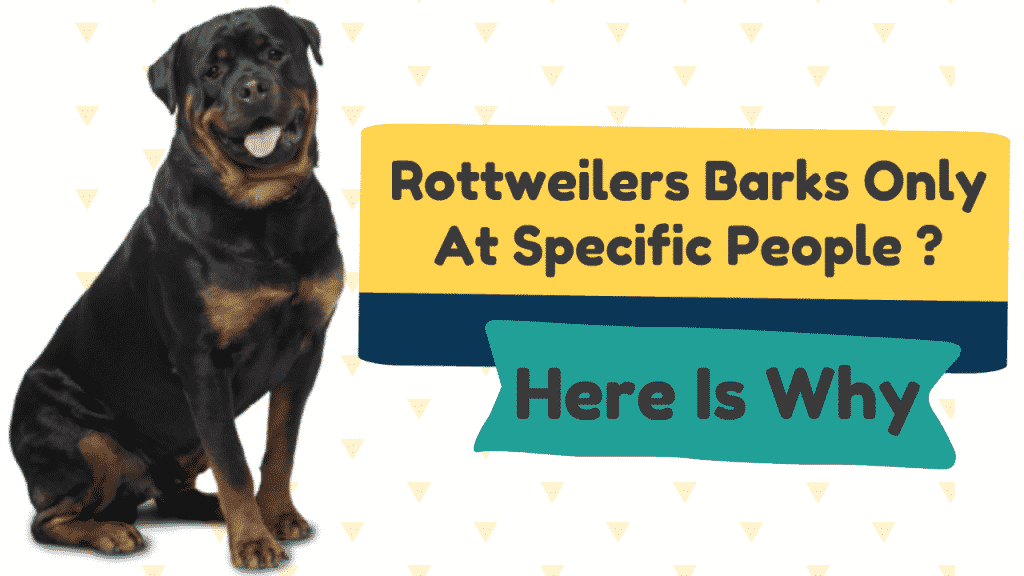
Why does your Rottweiler bark at some people but calmly watch others walk past? The difference can be confusing, especially when the person being barked at is a friend. Barking is a response to a situation—not reliable evidence that someone is dangerous or dishonest.
Instead of treating your dog as a judge of character, look for patterns in distance, movement, location and body language. Those observations can help you make encounters safer and choose useful training.
Several things may influence the reaction
A person approaching directly, leaning over the dog, moving quickly or appearing suddenly can create a different experience from someone passing at a distance. Unfamiliar clothing, carried objects and previous learning may also matter. You cannot tell the exact cause from the bark alone.
Dogs may bark when alarmed, excited, frustrated or seeking distance. The ASPCA’s barking guidance describes several possible motivations. Avoid assuming that every vocal response is protective aggression—or that a familiar person must have done something wrong.

Look at the whole dog
Record whether your Rottweiler moves forward or backs away, stiffens, freezes, tries to hide or repeatedly looks for an exit. Note how close the person is and whether your dog can respond to a familiar cue. A wagging tail by itself does not establish that an encounter is safe.
Keep a brief diary of successful encounters too. For example, your dog may cope with a visitor seated across the room but struggle when that person stands up nearby. That is more useful information than labeling the dog unpredictable.
Create space before trying to teach
If your dog is already barking intensely or lunging, move away calmly and prevent the person from approaching. Do not insist on a greeting to “show there is nothing to fear.” Keep children out of the interaction and use a secure barrier for visitors when needed.
Arrange greetings so the dog has room to retreat. Ask guests not to crowd, stare at or reach over the dog. Do not have someone hold food close to their body to lure an uncomfortable dog into touching distance. Safety comes before completing an introduction.

Practice at an easier distance
Work where your dog can notice a person without becoming overwhelmed. Reward a calm look or turning back toward you, then move on. Keep sessions short and increase difficulty gradually rather than repeatedly exposing the dog to a close encounter they cannot handle.
Use reward-based methods. AVSAB recommends humane, reward-based training; intimidation and painful corrections are not a shortcut to comfortable behavior. A qualified professional can help plan gradual work around the specific trigger.
Get help when safety or health is involved
Sudden behavior changes deserve a veterinary check, especially if your dog also seems painful or unwell. If there has been snapping, a bite or escalating lunging, stop arranging practice greetings and seek veterinary behavior guidance.
For day-to-day prevention, use the boundaries in our Rottweiler family safety guide. Your aim is not to make your dog meet everybody. It is to help them cope with ordinary situations while keeping people and the dog safe. Calmly passing someone at a comfortable distance is a worthwhile success.