Cpr For Dogs

Cpr For Dogs

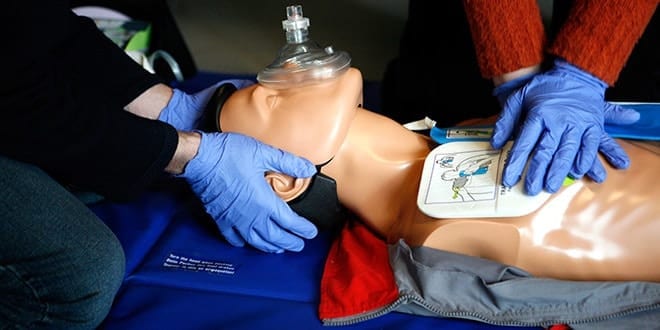
Anyone who has been to a CPR class is familiar with the basics of mouth-to-mouth resuscitation. First you’ll check to be sure the patient has a clear airway, then check to see if the patient is breathing, check whether the patient has a heartbeat and, if the patient awakens during the process, be careful that you don’t get bitten by the patient.


The American Red Cross has been instructing people in CPR for pets for quite some time now and has classes that include all manner of first aid, including mouth-to-snout resuscitation. You read that correctly; mouth-to-snout. The procedure is similar to traditional mouth-to-mouth resuscitation between humans, the chief difference being that the person performing the procedure will close the dog’s mouth and instead provide breaths into the dog’s nose.

The process sounds humorous in theory, but it works and knowing how to perform mouth-to-snout resuscitation on your pet could literally save its life.

According to a March 2002 story from The Scoop, a website that reports on dogs in the news (you know the theory – “DOG BITES MAN” is not news while “MAN BITES DOG” is), a dog in Walla Walla, Washington that was accidentally choked nearly to death was saved by a quick-acting Good Samaritan who was trained in mouth-to-snout.

After being revived, the dog was treated at the Walla Walla Associated Veterinary Clinic and released.

In addition to the mouth-to-snout procedure, dogs can have chest compressions performed in an emergency where the heart stops. Learning and knowing these techniques can save the life of a dog in distress and let him live to chase rabbits or play fetch another day.

The concept of pet CPR is gaining much notoriety and is starting to be taught by organizations all over the country that formerly provided traditional CPR training and certification.

If you’re interested in taking these classes yourself, contact your local Red Cross. The life you save may be your dog’s.

Copied with permission from: http://plrplr.com/43448/cpr-for-dogs/
Must-read

Top 10 Foods That Are Toxic to Dogs

As beloved companions, dogs hold a special place in many homes. However, it's crucial for dog owners to understand the potential hazards lurking in...

Puppy and Dog Vaccinations: A Schedule for Every Life Stage

Introduction to Dog Vaccinations Vaccinations are a vital aspect of canine healthcare, ensuring dogs remain protected against various infectious diseases. Regular vaccination not only safeguards...

The German Rottweiler: All You Need to Know

If you're a proud Rottweiler owner, you’ve likely encountered the self-proclaimed "Rottweiler expert" who stops you mid-walk with this question: “Is that a German...

10 Common Dog Health Problems and How to Prevent Them

Dogs bring joy and companionship to our lives.Understanding common dog health problems is crucial for every dog owner. It helps in ensuring a long, happy life for your pet. Some health issues are common across all breeds. Others are specific to certain breeds like Pomeranians and Havanese. Regular veterinary check-ups are essential. They help in early detection and prevention of potential health issues. Dental disease, obesity, and ear infections are among the most common problems. These can often be prevented with proper care. Skin allergies, parasites, and heartworm disease also pose significant risks. Preventive measures can greatly reduce these threats. Proper nutrition, exercise, and grooming play vital roles in maintaining your dog's health. This guide will explore these issues and offer practical tips for prevention. Understanding Dog Health: Why Prevention Matters Prevention is at the heart of maintaining a healthy and happy dog. It stops small problems from becoming big issues. Regular veterinary visits are key. These check-ups can catch illnesses early before they grow worse. Preventive care involves several important practices, such as: Vaccinations to avoid infectious diseases. Parasite control to fend off fleas, ticks, and worms. Regular dental care to keep teeth and gums healthy. A focus on prevention can save you money in the long run. Treating health issues is often more expensive than preventing them. Additionally, a well-cared-for dog lives a longer and more fulfilling life. Good health contributes to their mental and physical well-being. It's important to be proactive about your dog's health. Using preventive measures ensures a vibrant life for your furry friend. Most Common Dog Health Problems Dogs face a variety of health challenges over their lifetimes. Awareness of these common issues can help owners be proactive. Early detection often results in better outcomes. Some prevalent health problems include: Dental disease, a significant concern affecting many dogs. Obesity, which is increasingly common and impactful. Ear infections, especially in breeds with floppy ears. Recognizing these problems early can lead to faster interventions and less suffering for your dog. Regular veterinary check-ups and diligent home care are essential components. Addressing these issues promptly ensures your dog’s healthy lifestyle continues. 1. Dental Disease Dental disease is a widespread concern for dogs. By age three, over 80% of dogs show signs of dental issues. Problems range from gingivitis to periodontal disease, impacting your dog’s overall health. Key signs of dental disease include: Bad breath Inflamed gums Difficulty chewing Ignoring dental health can lead to serious complications. Infections can spread from the mouth to other organs, causing severe damage. Regular cleaning and veterinary check-ups can prevent most dental issues. Establishing a routine for brushing your dog's teeth is crucial. Use dog-specific toothpaste and a suitable toothbrush. Dental treats and toys can also help reduce tartar buildup. 2. Obesity Obesity is a growing problem in the canine...

Caring for Your New Rottweiler Puppy

Bringing a new Rottweiler puppy into your home is an exciting time. These adorable bundles of joy are full of energy and curiosity. However, owning...

Understanding the Rottweiler Breed Standard Guidelines

The Rottweiler breed is known for its robust physique and distinctive black and tan coat. But what defines a true Rottweiler? The answer lies in...
1,530,000FansLike
219,000FollowersFollow
3,557FollowersFollow
223,000FollowersFollow
9,131FollowersFollow
460,000SubscribersSubscribe

Recent articles

More like this