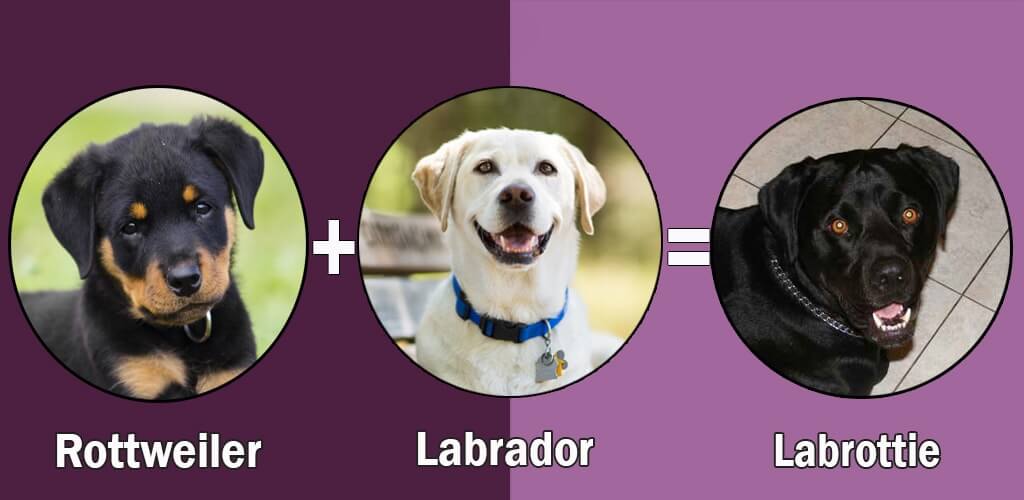
A Rottweiler Lab mix, often called a Labrottie, can be an affectionate, active companion. But a crossbreed name cannot tell you exactly how big a puppy will grow, how much exercise an adult will enjoy, or how comfortable the dog will be around strangers. The useful question is not whether this mix is perfect for everyone. It is whether the individual dog fits your home and the care you can provide.
Before adopting or buying, look beyond coat color and a cute photograph. Ask about the dog’s health, daily routine, behavior and experiences with people. An adult dog living in a foster home may have a more observable personality than a young puppy whose adult traits are still developing.
How Big Does a Rottweiler Lab Mix Get?

Plan for a substantial dog rather than a guaranteed weight or height. Both parent breeds are sturdy dogs, but their puppies do not necessarily land at a neat midpoint. The parents’ size can help with planning; it is not a promise.
Check that you can safely transport, walk and house a large adult dog. Budget for appropriately sized equipment, food and veterinary care. For puppies, follow growth and body condition with your veterinarian instead of trying to reach an online weight target. A lean, healthy youngster is a better goal than the biggest possible dog.
Temperament Depends on the Dog
A Labrottie is not automatically a Labrador personality in a Rottweiler body, and Rottweiler ancestry does not make a dog inherently aggressive. Confidence, sociability and sensitivity vary. Genetics matter, but so do health, learning and the environment.
Ask specific questions: Can the dog settle after a walk? How does the dog respond to visitors, handling, other dogs or being left alone? Has anyone observed guarding around food or toys? Meeting a puppy’s parents is useful, but one friendly meeting cannot guarantee future behavior.
In homes with children, arrange active adult supervision and a quiet retreat the dog can use undisturbed. Do not expect either breed ancestry or obedience training to replace careful management.
Training Without a Battle for Control

Teach everyday skills in short sessions: responding to a name, coming when called, walking on a loose lead, leaving an item and relaxing on a mat. Reward the behavior you want and make unwanted behavior harder to rehearse. Keeping shoes out of reach is more effective than repeatedly scolding a puppy for finding them.
You do not need to show the dog who is boss through intimidation. The American Veterinary Society of Animal Behavior recommends reward-based training. If a dog freezes, growls or snaps, create space and seek qualified help instead of escalating a confrontation.
Our guide to training your Rottweiler at home explains how to build useful habits into an ordinary day.
Exercise, Enrichment and Rest
Many dogs from these parent breeds enjoy activity, but there is no universal exercise quota for every mix. Adjust outings to age, fitness, weather and health. Combine walks and sniffing with manageable play, food puzzles and time to rest.
For a growing puppy, avoid treating long forced runs as a requirement. Ask your veterinarian about suitable activity as the dog develops. Persistent limping, reluctance to move or a sudden change in stamina calls for a veterinary assessment, not a tougher workout.
Coat Care and Feeding
Short hair does not mean little shedding. The Labrador Retriever and Rottweiler both shed. Start with regular brushing and adjust during heavier shedding periods. Check nails, ears and skin, and introduce grooming gradually so handling is comfortable.
Choose a complete, balanced diet appropriate to life stage. Measure portions, include treats in the daily food allowance and adjust with veterinary guidance. Do not assume a large dog needs unlimited protein supplements or extra food. Our puppy feeding guide covers the practical questions to bring to a vet visit.
Questions Before Bringing One Home
- What health records and parent health-screening results are available?
- What behavior has been observed in a home, rather than only during a brief visit?
- Can your household provide daily care, gradual training and safe supervision?
- What support does the breeder or rescue offer if difficulties arise?
A mixed-breed dog is not guaranteed to avoid inherited health problems. Choose transparency over promises of perfect health or temperament. The right match is a dog whose needs you understand and can realistically meet.