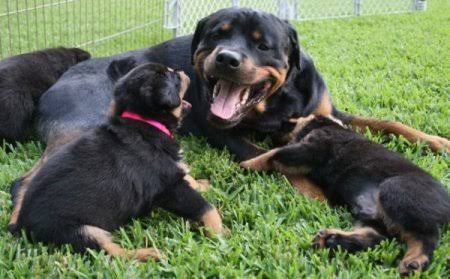
Rottweiler aggression is not something to explain away with a breed stereotype or a promise that more obedience training will fix it. If your dog growls, snaps, lunges, or bites, the immediate priorities are preventing another incident and getting an individual assessment.
Behavior can reflect fear, discomfort, learning, guarding, or several factors together. A breed standard describes an ideal; it cannot tell you why your particular dog reacted or guarantee how they will behave tomorrow.
First, Make the Situation Safer
Create distance from the trigger without confronting the dog. Keep children and visitors away, and use suitable barriers when the dog is safely separated. Do not corner them, reach for a guarded object, or ask someone to approach again to see whether the behavior repeats.
If a person has been bitten, obtain appropriate medical care and follow applicable local reporting advice. Contact your veterinarian about the dog’s behavior and any sudden change. An online article cannot determine whether a particular situation is safe.
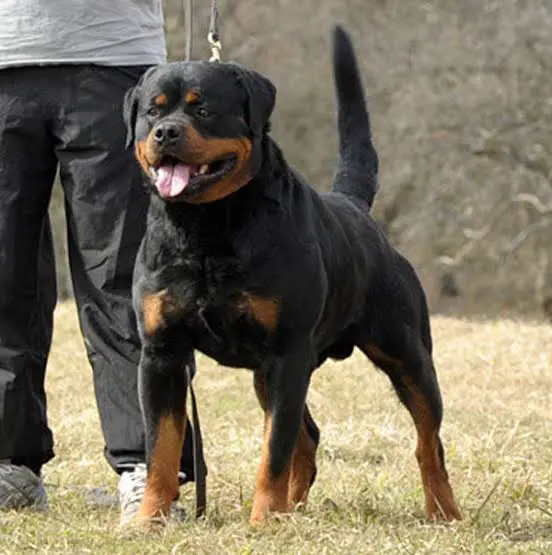
Record What Happened Without Recreating It
Write down where the incident occurred, who was present, and what happened immediately beforehand. Was the dog eating, resting, being touched, or trying to move away? Note distance and any earlier changes you noticed. A factual account is more useful than labeling the dog “dominant” or “bad.”
Include what happened afterward and whether there have been similar episodes. Share existing footage if available, but never stage an encounter to obtain a video. Your veterinary team or behavior professional can help identify which details matter.
Do Not Assume a Growl Is Harmless
Sounds need context. A growl should not automatically be dismissed as a Rottweiler “purr,” especially when you are unsure of the dog’s comfort. Stop the interaction and give space rather than continuing to touch or crowd them.
Likewise, do not punish a warning. The aim is to understand and address the underlying concern, not simply make the dog quieter. Look at the whole situation and tell the professional what you observed, including freezing, avoidance, or tension before the sound.
Arrange a Veterinary and Behavior Assessment
New behavior, sensitivity to touch, or reluctance to move warrants a veterinary discussion. Pain or illness can affect behavior, but the cause cannot be diagnosed from a description alone. Bring your notes and ask how to manage the dog safely before and during the visit.
Seek a qualified professional who uses reward-based methods and has experience with aggression cases. The American Veterinary Society of Animal Behavior recommends reward-based training. Avoid anyone promising a guaranteed cure, requiring physical intimidation, or provoking the dog to demonstrate control.

Match the Plan to the Actual Trigger
A dog reacting to passersby on walks needs a different plan from one guarding a resting place. Management comes first; behavior exercises should remain within a level the dog can cope with and follow professional guidance where there is bite risk.
For walking situations, our Rottweiler reactivity guide explains distance and practical precautions. For tension around a sofa, see safe furniture boundaries, including when not to attempt removal.
Do not use socialization as a reason to force greetings. More exposure is not automatically helpful when the dog is frightened or overwhelmed. Children must never be used to test progress or asked to correct the dog.
Set Realistic Expectations
Progress may involve fewer risky encounters, better recovery, and a routine that keeps everyone safe. Some dogs need ongoing management. Completing a training session or responding to a sit cue does not establish that the original risk has disappeared.
Review the plan with the professionals involved and be honest about what your household can safely manage. Responsible care means taking warning signs seriously, protecting people and animals, and avoiding guarantees based on breed or training alone.