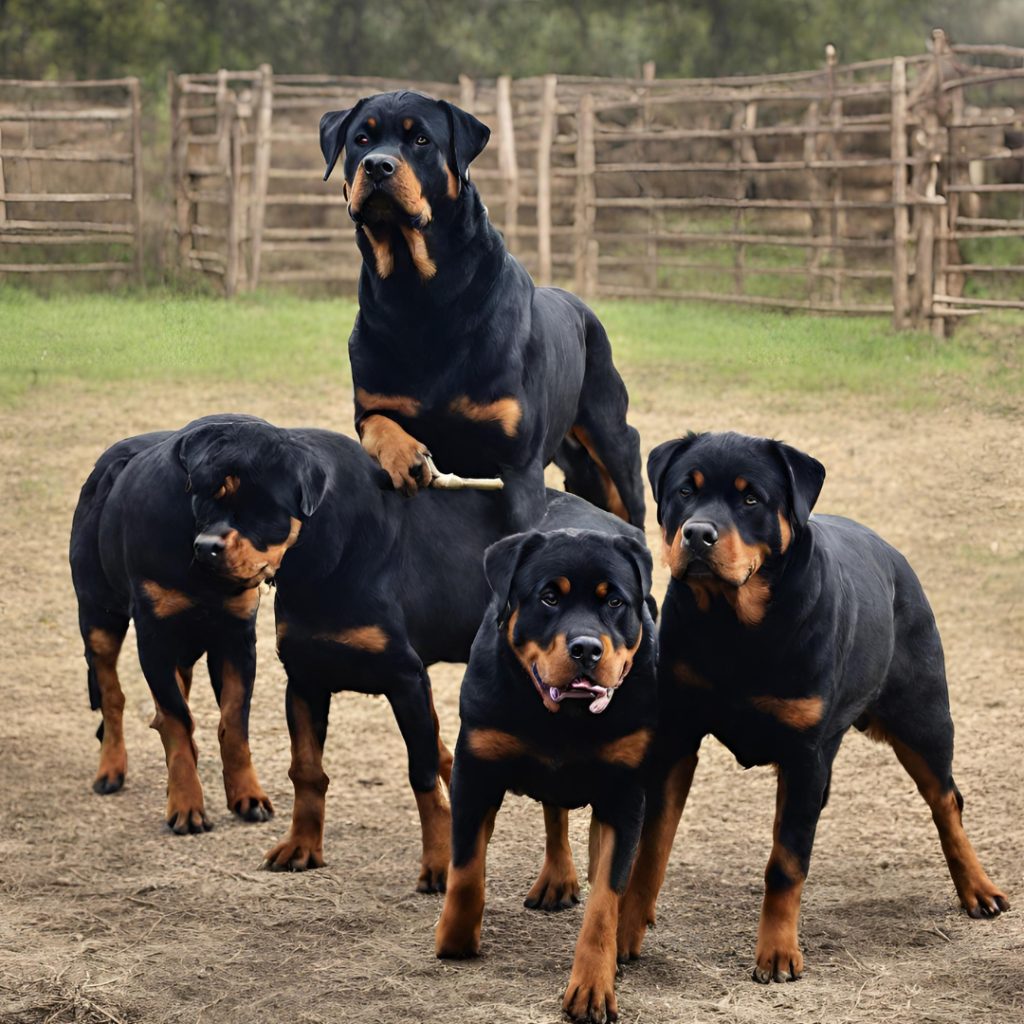
Rottweiler paw cleaning should be gentle and practical. After a walk, check for mud, grit, road salt or anything caught between the toes. Clean what needs cleaning, dry the paws and watch for discomfort. A full bath is not necessary every time your dog goes outside.
The important distinction is between routine cleaning and an injury. A sore, bleeding or swollen paw needs veterinary advice, not harder scrubbing or a stronger cleaning product.
1. Set Up a Calm Cleaning Spot
Keep a soft cloth, a clean towel and access to lukewarm water near a non-slip surface. Let your dog stand or settle comfortably instead of lifting a large Rottweiler into a sink or forcing an awkward position.
Practice brief paw handling when your dog is relaxed. Touch a leg gently, reward cooperation and build up gradually. If your dog suddenly resists handling a paw they normally tolerate, check for pain rather than assuming stubbornness.
2. Match the Cleaning to the Mess
A damp cloth may be enough for light dirt. For stuck-on mud or road salt, gently rinse the paws with lukewarm water. The AKC’s paw-cleaning guide explains why washing is sometimes needed to remove substances left by a walk.
If you use wipes, choose a product intended for dogs and follow its label. “Natural” does not automatically mean safe. Do not use household disinfectant wipes on your dog.
For an unknown chemical or an irritating substance, prevent licking and contact your veterinarian promptly for specific advice. Do not experiment with solvents or cleaning mixtures.
3. Check Between the Toes, Then Dry
Look gently between the pads and around the nails for trapped debris. Remove loose surface dirt without digging into the skin or pulling at something embedded. If you find an embedded object, a damaged nail or a painful area, get veterinary help.
Pat the paws dry, including between the toes, without vigorous rubbing. Drying also helps avoid slippery footprints on smooth floors. Keep the session short enough that your dog can cooperate comfortably.
4. Avoid Unnecessary Trimming
Do not shave or cut around the pads simply because you are cleaning the feet. If hair is trapping debris or appears matted, ask a groomer or veterinarian whether trimming is appropriate and have them handle difficult areas.
Sharp tools near a moving paw can cause injury. Nail care is a separate task: ask for a demonstration or professional help if you are unsure, rather than trying to finish everything during one cleaning session.
5. Plan for the Conditions Outside
Check paws after outings involving grit, snow or treated sidewalks. Suitable dog boots may help in some conditions if they fit well and your dog is comfortable wearing them, but still inspect the feet afterward.
Introduce boots gradually indoors, and check for rubbing. Take them off after the outing and allow wet equipment to dry. Avoid routes or weather that are unsafe for your dog; cleaning afterward does not undo an injury.
6. Treat Wounds Differently From Dirty Paws
Do not scrub an open wound. Contact your veterinarian about cuts, punctures, burns, persistent limping, swelling or discharge. Seek urgent care for significant bleeding, severe pain or inability to bear weight.
VCA’s wound-care advice recommends water or saline for cleaning and warns against alcohol, peroxide, soaps and other products unless a veterinarian directs their use. Do not apply an unspecified antiseptic, generous layers of cream or a tight homemade bandage.
Prevent licking as your veterinarian advises, and follow the treatment plan given for that particular injury. Routine grooming instructions are not a substitute for assessment of a damaged paw.
Keep the Routine Simple
Inspect, clean gently when needed, dry and stop if something hurts. Repeated licking, redness or soreness deserves attention even when you cannot see a cut. More frequent washing is not necessarily the answer.
For a broader daily routine, our Rottweiler care checklist covers grooming, activity and veterinary planning. The aim is comfortable paws and a cooperative dog—not a perfect cleaning performance after every walk.