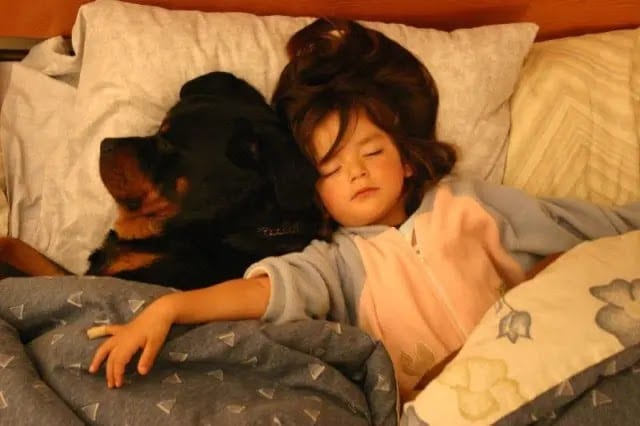
Being a responsible Rottweiler owner involves much more than simply providing food and shelter for your furry companion. Proper pet care encompasses various aspects that contribute to their overall health, well-being, and happiness. There are several essential factors that every Rottweiler owner should be aware of and prioritize; by understanding and implementing these key elements of pet care, you can create a nurturing and enriching environment for your beloved pet, ensuring they lead a healthy and fulfilling life.

1. Grooming
Regular brushing of your pet’s fur not only removes loose hair but also helps prevent matting and promotes a healthy coat. Doing this often stimulates the skin, distributes natural oils, and allows you to check for any skin issues or parasites. Cleaning their ears regularly helps prevent ear infections and removes any debris or buildup. Brushing their teeth is essential to avoid dental problems such as plaque and tartar buildup, which can lead to gum disease and other oral health issues. You can also use tear stain remover for dogs to maintain their hygiene and overall appearance. Tear stains are brown or reddish discolorations that can develop under a dog’s eyes. These stains are caused by excessive tearing, which may occur due to various factors such as eye irritation, allergies, genetics, or certain breeds with prominent tear ducts.
Some pets, depending on their breed or coat type, may require professional grooming services such as haircuts or specialized care to keep their coats in optimal condition. Whilst you trim your pet’s nails yourself, you can also get a professional to do this. This is important to prevent overgrowth, which can cause discomfort or difficulty in walking. By incorporating proper grooming practices into your pet’s routine, you are ensuring their physical comfort, reducing the risk of health issues, and enhancing their overall well-being.
2. Nutrition
Supplying a balanced and nutritious diet is crucial for their overall health and vitality. It’s essential to consult with your veterinarian to determine the appropriate type and amount of food that suits your pet’s specific needs. Factors such as age, breed, size, and any existing dietary requirements should be taken into consideration. Your veterinarian can provide guidance on choosing high-quality pet food or may recommend a specialized diet if your pet has specific health concerns.
It’s important to feed your pet at regular intervals and avoid free-feeding to maintain a healthy weight. Additionally, always provide fresh water for your pet to stay hydrated. Remember to refrain from feeding them harmful human foods, as certain items can be toxic or cause digestive issues.
3. Exercise
Exercise is essential for pets to ensure their physical and mental well-being. Similar to humans, regular exercise helps pets maintain a healthy weight, develop strong muscles, and improve cardiovascular health. Dogs, in particular, require daily walks and playtime to expend energy and engage in socialization.
Regular exercise not only helps prevent obesity and related health issues but also provides mental stimulation and reduces behavioral problems. Cats, on the other hand, benefit from interactive toys, scratching posts, and designated play sessions to satisfy their instinctual needs and keep them physically active.
4. Veterinary Care
Regular check-ups with a veterinarian are crucial in preventing and detecting potential health issues early on. During these visits, your pet will receive vaccinations to protect against common diseases and undergo routine examinations to assess their overall health. Preventive measures, such as parasite prevention, are also recommended to safeguard against fleas, ticks, and other parasites that can harm your pet’s health. Dental care is another important aspect of veterinary care, as dental problems can lead to pain, infections, and other health issues.
It’s crucial to be attentive to any changes in your pet’s behavior, appetite, or appearance and promptly consult your veterinarian if you notice any unusual symptoms. By prioritizing regular veterinary care, you are taking proactive steps to ensure the long-term health and happiness of your beloved pet.
5. Socialization
Socialization is a critical aspect of pet care, particularly during the early stages of a pet’s development. Introducing your pet to a variety of environments, people, animals, and experiences helps them become well-adjusted and friendly. Proper socialization allows your pet to develop essential social skills, learn appropriate behavior, and feel at ease in different situations. It can prevent the development of behavior problems such as aggression or fearfulness.
By exposing your pet to new experiences, you can help them build confidence and adaptability, making it easier for them to handle changes or unfamiliar situations throughout their lives. Engaging in positive interactions with other animals and people helps them develop healthy relationships and reduces the likelihood of anxiety or fear-based responses. Remember to introduce new experiences gradually and in a positive manner, rewarding your pet for its calm and friendly behavior.
6. Safety
To create a safe environment, it’s important to pet-proof your home. Identify and remove potential hazards that could pose a risk to your pet’s health, such as toxic plants, cleaning chemicals, medications, or small objects that can be swallowed. Secure electrical cords to prevent chewing and potential electrocution accidents. Provide a designated area or crate for your pet to rest, where they can feel secure and have their own space. It’s also vital to have proper identification for your pet in case they accidentally get lost. This can be achieved by attaching identification tags to their collar with your contact information or having them microchipped, which provides a permanent form of identification. Taking these safety measures will help protect your pet from accidents, reduce the risk of ingestion of harmful substances, and ensure their overall well-being in your home environment.
In conclusion, proper pet care encompasses several important aspects that contribute to the well-being and happiness of your furry friend. By understanding and implementing practices related to nutrition, exercise, grooming, veterinary care, socialization, and safety, you can provide the best possible care for your pet. By prioritizing these aspects of pet care, you can enhance the overall quality of life for your beloved companion. Remember, being a responsible pet owner involves love, commitment, and continuous education to ensure the well-being of your furry friend for years to come.