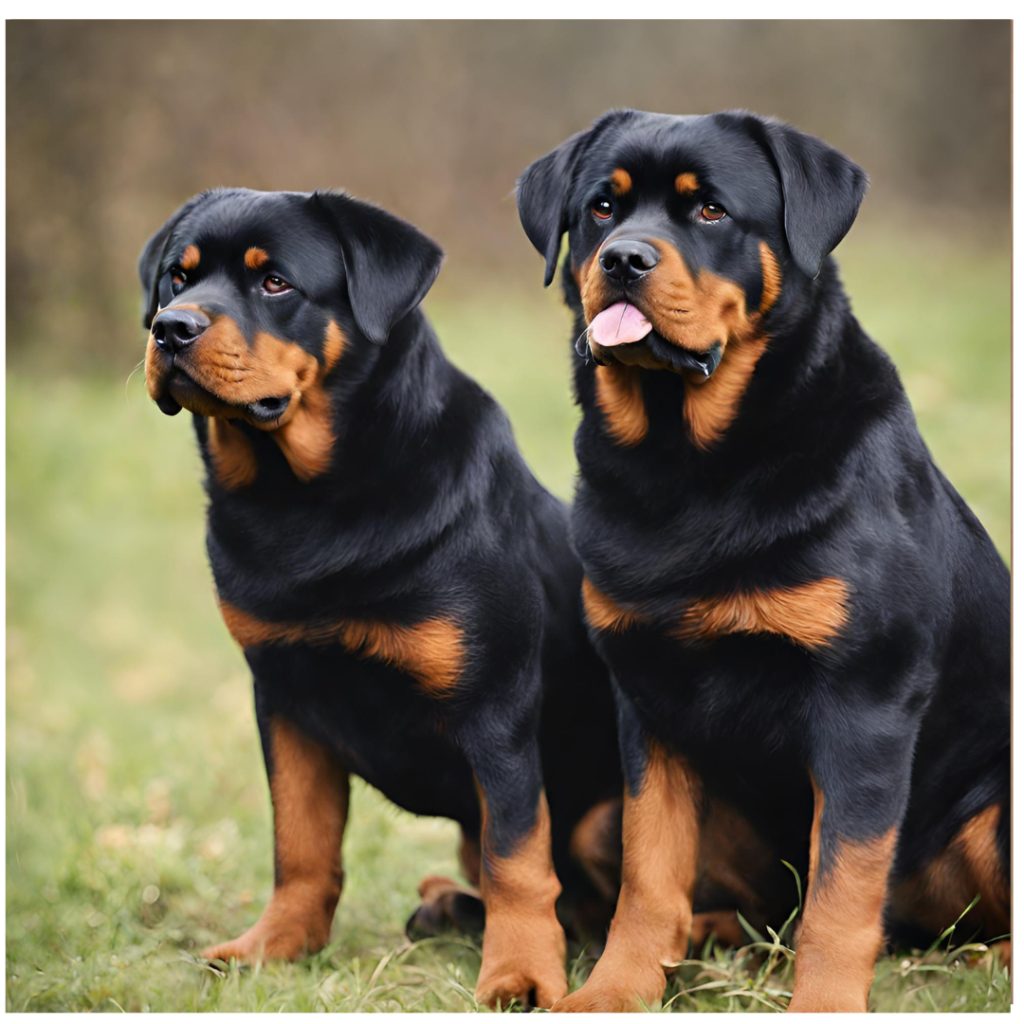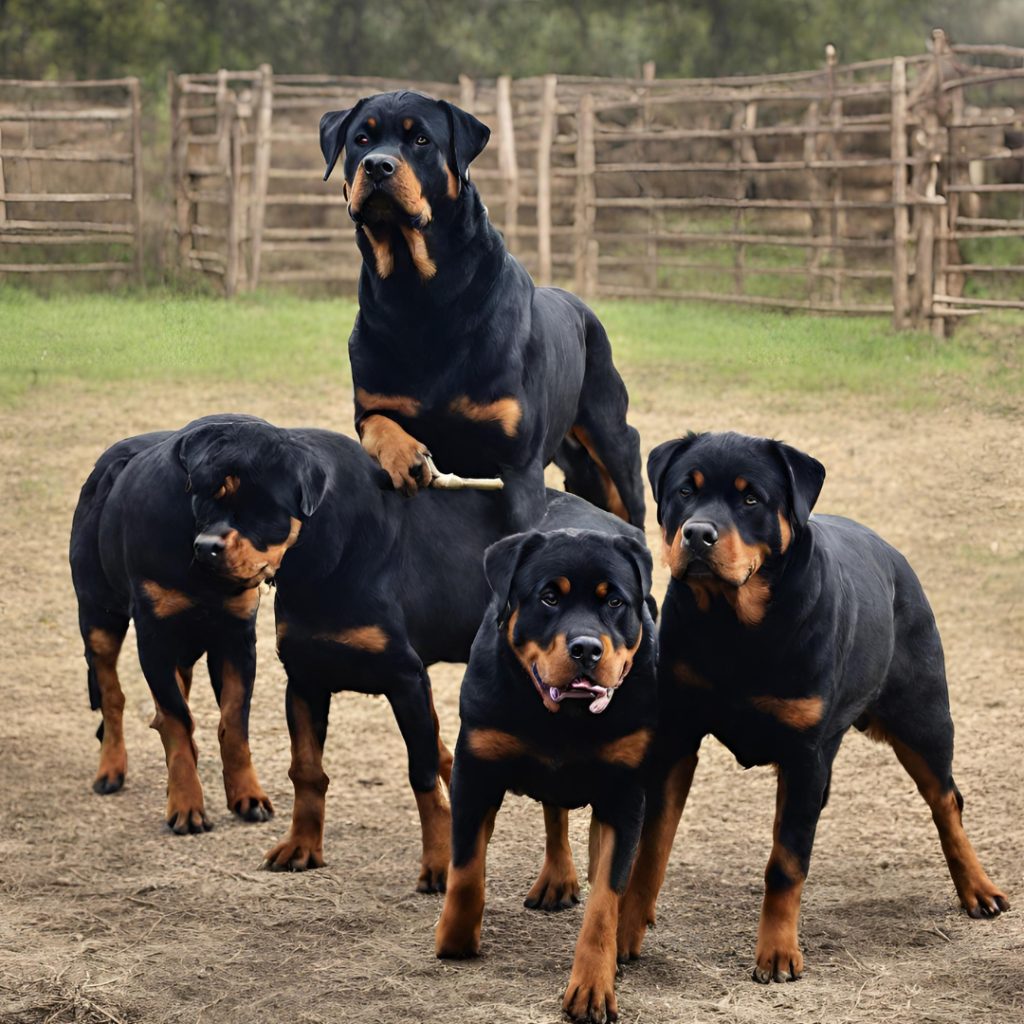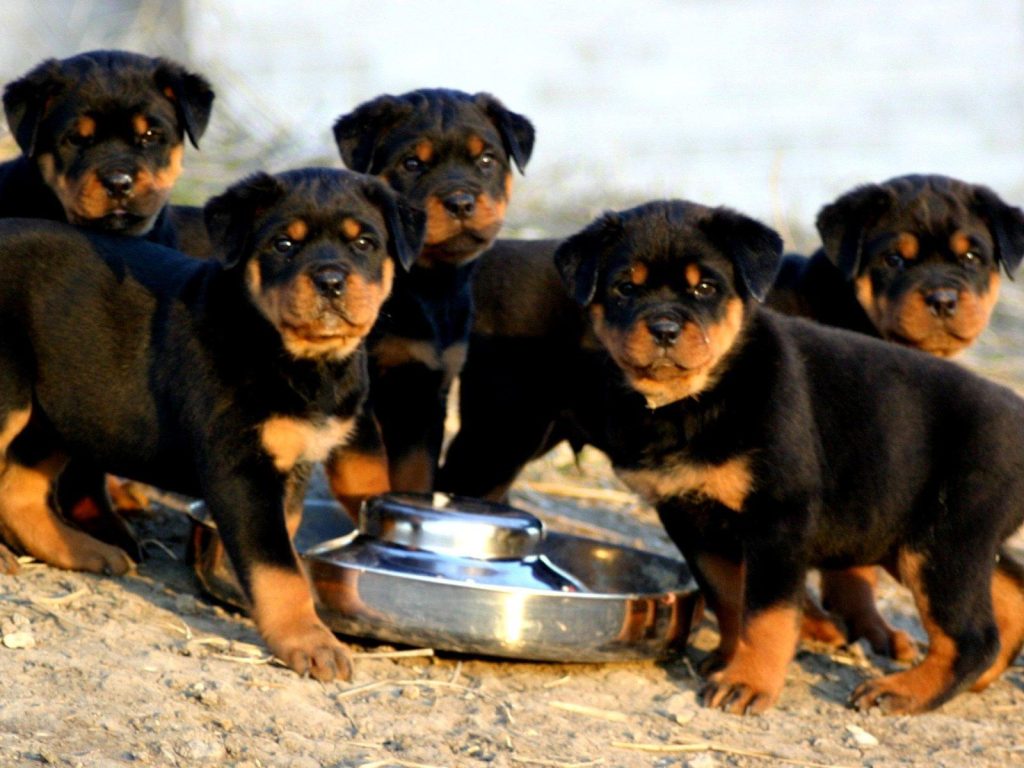
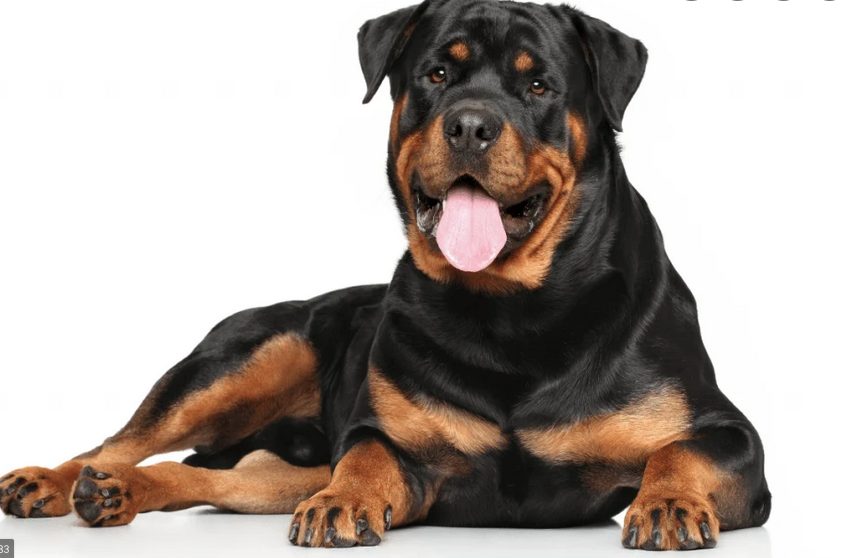
Dogs are known to be the most loyal and intelligent companions when it comes to pets. And if you really want a breed to rely on, then the rottweiler is the dog for you. Rottweilers are widely known for their loyalty and fierce protectiveness, but they can be quiet and reserved around strangers. These incredible dogs serve as herders, police dogs, household pets, and guards. Their gentle personality conceals their reputation as being aggressive. They always have the ability to run around with children all day, the tenacity to deal with large animals such as cows, and the desire to become a companion.
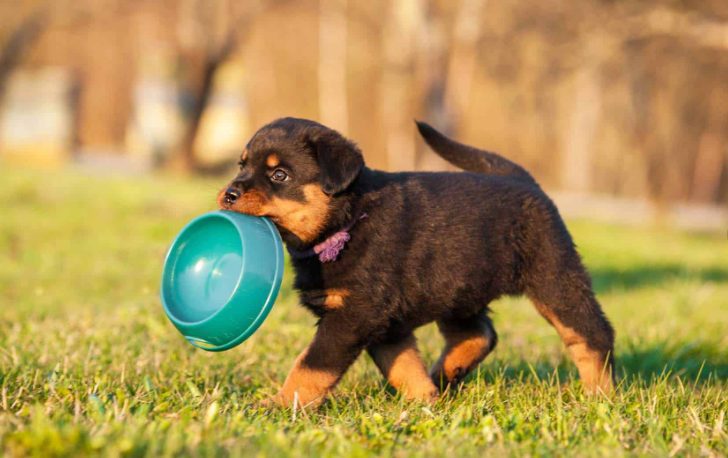
Ideal Rottweiler Nutrition
If you want your dog to thrive, develop normally, and maintain their level of activity for most of their lives, you must provide them with the basic elements and components they require from their diet. There are numerous ways to feed your Rottweilers, as well as dozens of different diet plans to choose from. Because they are more convenient and cost-effective, most people prefer dry and processed foods.
On that note, here are some tips you should follow to ensure stronger growth in your rottweiler dog.
1. Introduce More Proteins
Many puppy diets are high in protein, which promotes the development of healthy, strong muscles. Introduce a few puppy foods into your dog’s diet gradually. Adding processed dog food to the dog’s regular diet may also encourage it to eat more.
If you’re having trouble putting together the right protein diet for your dogs, there are organizations that can help. When shopping, look for products that do not contain preservatives. Chicken, Salmon, and dry dog food from Petzyo are among the best options available in Australia as these recipes do not contain any coloring, fillers, or preservatives. Furthermore, when compared to other dog breeds, Rottweilers’ muscle development is slower. This necessitates feeding them high-quality puppy food until they are about a year or two old. If you switch to adult dog food too soon, they may develop muscular issues in the future.
2. Provide Clean Water
Water is an essential component of a healthy diet and Rottweiler dogs require plenty of it on a daily basis. Dehydrated Rottweiler dogs quickly begin to lose both weight and strength. They must be given enough water to drink.
Water regulates body temperature, fluid intake, and muscular activity. Water is often overlooked when discussing a dog’s health, but it is very vital.
3. Adding Raw Foods
This typically refers to eggs, bones, cereals, meats, and vegetables that are still in their raw state. A raw diet for your dog will aid in the regular maintenance of its teeth. According to research, a raw diet should be prepared at home by an expert nutritionist. A dog must be given adequate time to adjust to raw food and build muscle.
4. Include Supplements
Provide your Rottweilers with supplementary vitamins and minerals. Supplements play a critical role in biochemical reactions. Consult veterinarians on a regular basis and select the recommended nutrients for your best friend. There are numerous supplements available at feed shops that primarily promote weight gain and strength.
5. Don’t Forget About Carbs
Although high-quality proteins and fats will provide plenty of energy for your Rottweilers, carbohydrates should also be included in their diets. The body system breaks them down and converts them to glucose, a source of additional energy. As a result, carbohydrates are a significant source of total calories in some dog foods.
Carbohydrates provide iron, vitamins, fiber, and some other minerals. They are found in fruits and vegetables that contain fibers and phytochemicals. Although carbohydrates are acceptable in dog food, we do not recommend any dog food that uses carbohydrates solely as a primary nutrient ingredient.
6. Offer a Balanced Diet
A fully grown Rottweiler requires an adequate amount of water, vitamins, minerals, fats, and carbohydrates. Protein consumption helps form and maintain your dogs’ muscles by providing the necessary nutrients. Do not feed them beef and fish. Instead, feed them milk and milk products, chicken, and mutton to enable your Rottweilers to gain and develop strength properly.
Choosing the Best Diet for Your Dog
Choosing the best food plan for your dog should be simple now that you know what and how to feed it for better health.
Your choice should take the following into account
- Age
- Weight
- Health activity
Having a pup is much like having a child. You have to nurture and care for them at all times, ensuring that they stay healthy and safe every step of the way. With an effective diet, your Rottweiler will be happy and agile and you can be confident that it is eating enough food. When looking for high-quality dog food to help your dog gain weight and muscles, always check the packaging. Meat should always be the first thing in proper nutrition, and byproducts of beef and pork should be avoided.
Change your Rottweiler’s natural diet when he grows older, as older dogs often add weight more easily due to fewer actions.