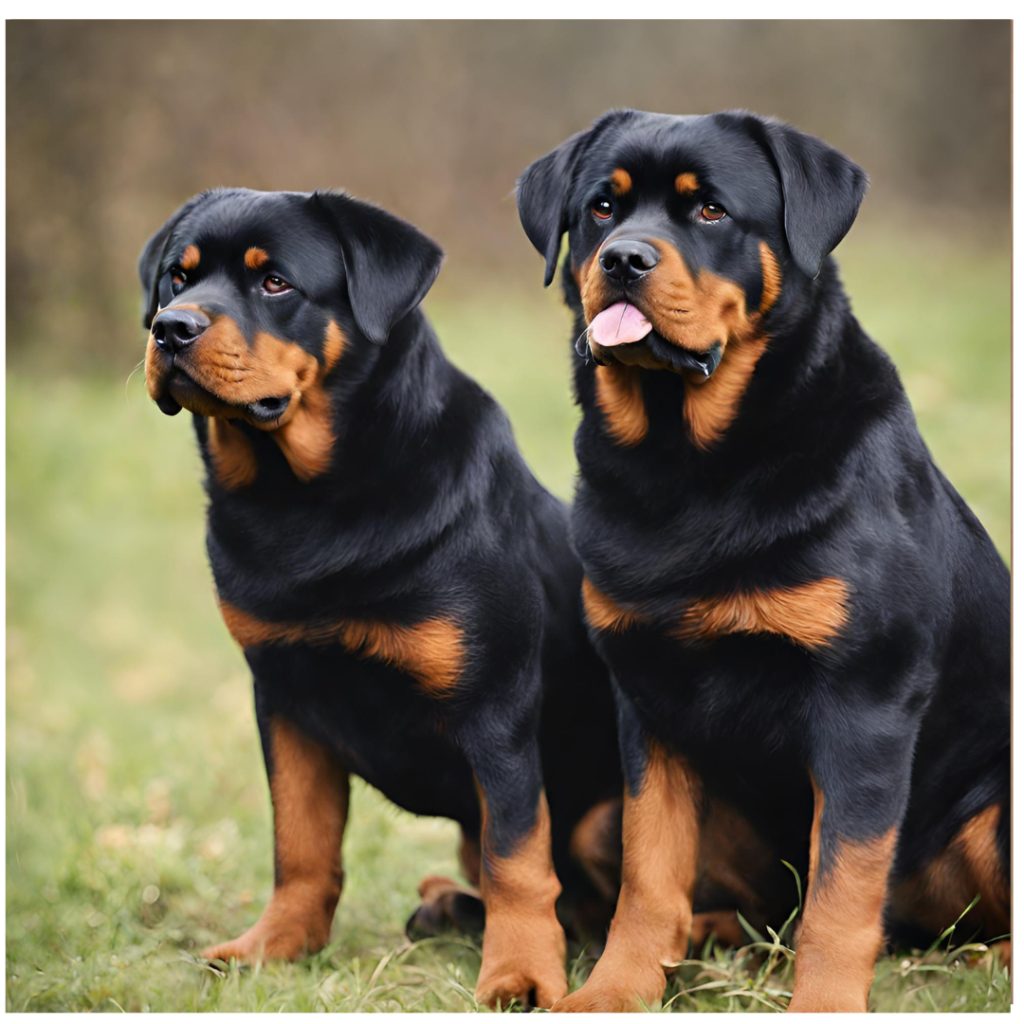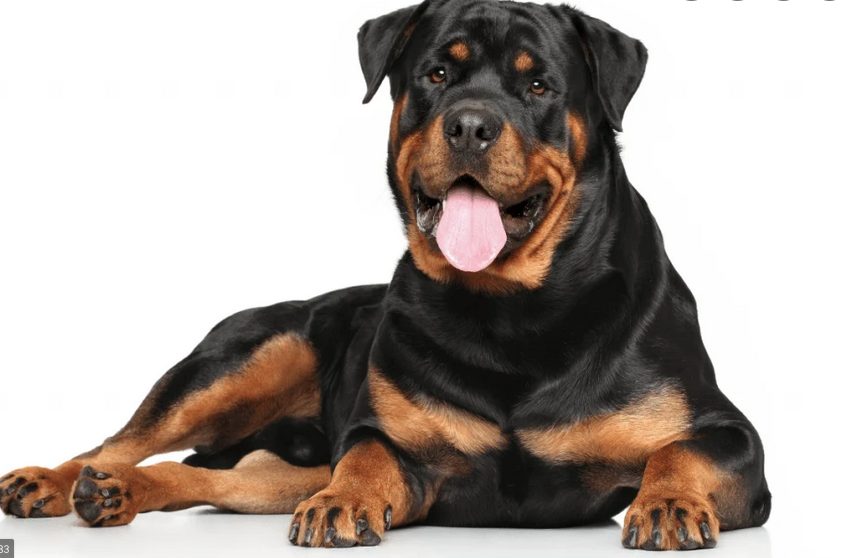
Rottweiler winter care should respond to the dog and the conditions, not a single temperature advertised as safe for the breed. A thick coat does not make a dog immune to cold. Wind, wet fur, time outside, age and health can change what is comfortable.
Plan shorter, flexible outings when conditions are difficult and keep a warm, dry place available. Puppies, older dogs and dogs with medical problems may need extra precautions discussed with your veterinarian.
Watch Your Dog, Not Just the Forecast
Shivering, lifting paws, reluctance to walk or a hunched posture are reasons to head somewhere warm and dry. Do not continue an outing simply because another Rottweiler appears comfortable in similar weather.
Cornell’s winter-safety guidance explains that cold tolerance varies and suspected hypothermia or frostbite requires immediate veterinary attention. If your dog seems seriously unwell after cold exposure, contact a vet urgently rather than waiting for the next routine appointment.
Choose a Practical Walking Route
Stay close enough to shelter that you can shorten the outing. Avoid frozen ponds and lakes, and choose footing you and your dog can manage. A route that is easy in summer may become slippery or obstructed in winter.
Prepare walking equipment before opening the door and allow time to return without rushing. Keep your phone and emergency contact details accessible. If conditions make outdoor exercise unsafe, choose brief necessary outings and suitable indoor activities.
Check Paws and Dry Off
Check for ice, irritation or cuts and remove road residue after walks. Properly fitted boots may help some dogs, but introduce them gradually and check comfort. A coat may also be useful for an individual dog; it is not automatically unnecessary because of breed.
Dry wet areas and provide comfortable bedding. Our paw-cleaning guide covers the routine cleanup. Ongoing soreness or limping needs veterinary advice.
Keep Winter Hazards Out of Reach
Store antifreeze and other chemicals securely and deal with spills promptly. Suspected ingestion needs immediate veterinary advice. Do not leave a dog unattended in a cold vehicle.
AAHA’s cold-weather safety advice covers winter hazards and ways to reduce exposure. Review the areas your dog can access, including garages, entrances and places where outdoor footwear leaves residue.
Do Not Change Food Automatically
Winter does not create a universal need for richer food, added fat or warm liquid meals. Some dogs are less active during bad weather, while others have different needs. Monitor body condition and discuss meaningful changes with your vet.
Keep drinking water available and maintain an appropriate complete diet. Our balanced-diet guide explains portions and extras without fixed seasonal rules.
Prepare for Disruption
Keep necessary food and medication available before severe weather arrives. Decide who can help if travel becomes difficult or your normal walker cannot attend. Have a plan for a power interruption and a safe place for your dog to rest.
Review what worked after each difficult outing. Adjust the route, timing or equipment instead of repeating a routine that leaves your dog uncomfortable. Winter care is about sensible observation and preparation, not proving how much cold a Rottweiler can tolerate.