
Dog lovers believe that dogs speak, but only to those who care to listen. But that doesn’t mean that they tell you about their dietary needs. After a session of strenuous exercise, the way your body feels and responds will depend a lot on the food intake. The same applies to working dogs, including, but not limited to, police dogs, service dogs, sled dogs, herding dogs, and hunting dogs. keeping up with their nutritional demands ensures that these dogs give off their best.
To keep pace with their work, such dogs need to be given healthy nutrients and sustainable energy to keep them in their peak condition.
you’re keen to find out more details regarding dog food then check out Bella and Duke.
Categorizing A Working Dog
Working dogs generally come from larger breeds of dogs and are trained for specific tasks that can even be quite complex. They may be trained to take on tasks that require both intelligence on one hand and strength and stamina on the other. Specialized dog breeds fall into this category.
Read: How Do You Calculate Calories in Dog Food?
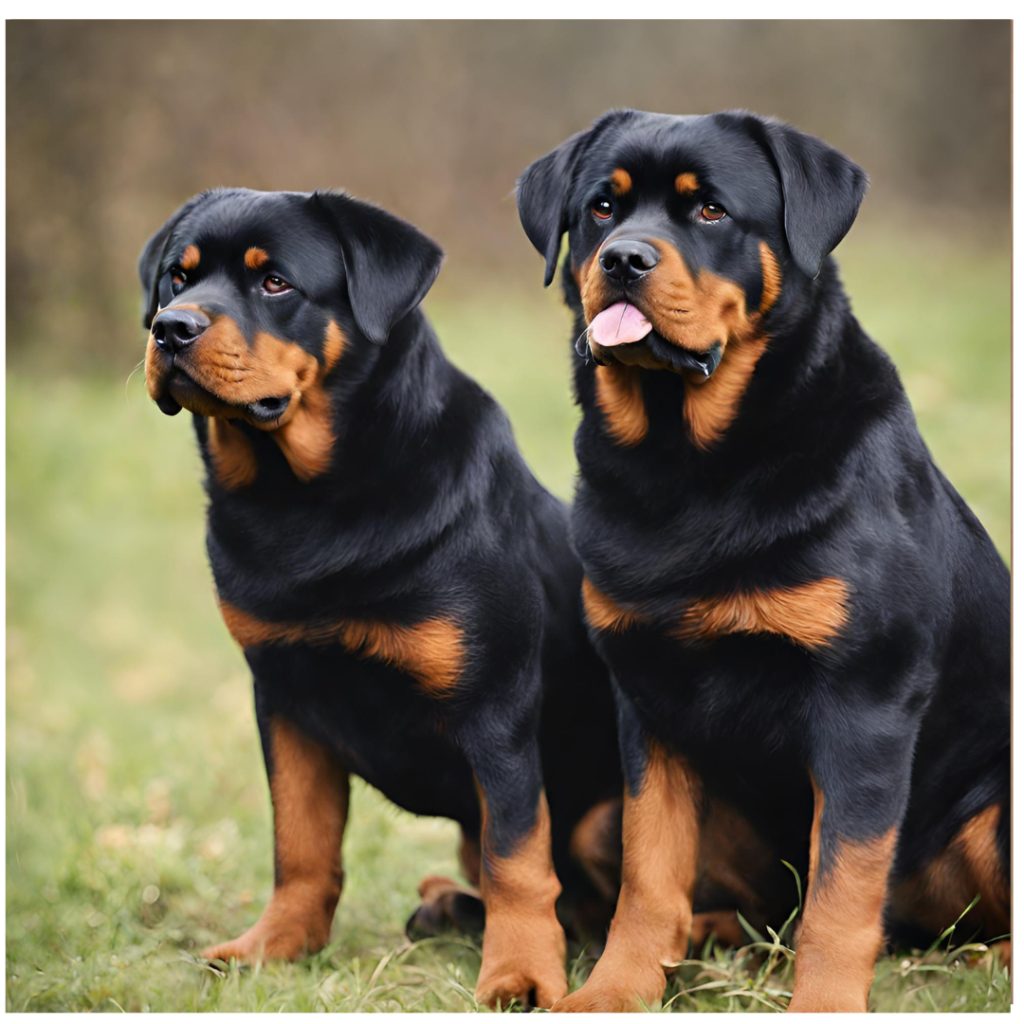
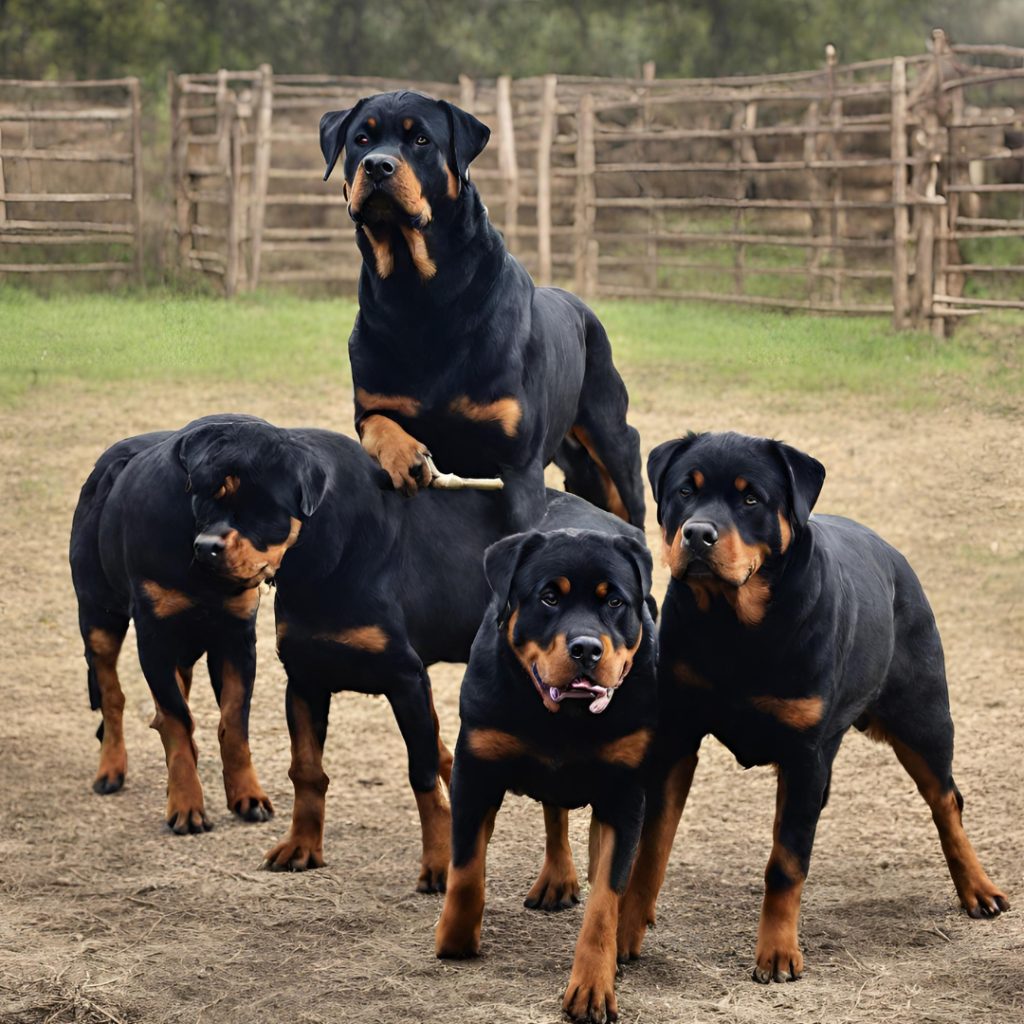
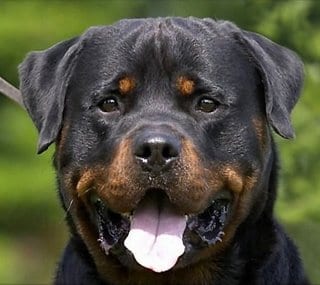
The usual breeds of working dogs include the Belgian Malinois, German Shepherd, Border Collie, Rottweiler, Siberian Huskies, and Alaskan Malamutes, boxers. But such dogs are not restricted to these breeds. Even Dachshunds are used by humans to track down burrowing animals, while Welsh Corgi can be used to hunt chicken.
Classifying your dog as a working dog isn’t restricted to specific breeds. So your dog doesn’t have to be on the list of working dogs. Any dog that is taking on a hard workload can be categorized as a working dog, whatever the breed.
Broadly categorized, working dogs fall into multiple categories. There is the endurance category that entails work types that are low-intensity but high-duration, such as endurance dogs.
The next category of working dogs can endure moderate-intensity and moderate to high-duration exercise. They include hunting dogs, service dogs, search and rescue dogs, and police dogs.
Read: Improve your dog’s diet to avoid common health conditions: 3 homemade food ideas
The third category is that which can endure high-intensity but short-duration exercise. These include sprinting dogs, dogs that require agility, and weight-pulling dogs.
Food Intake Of Working Dogs
The food intake of working dogs could be as much as 1.5 times to 2.5 times that of a dog that leads a sedentary life. Dogs that operate in extreme weather conditions will need an extra portion of food. The same goes for hydration. Dogs lose more water than normal during heavy exercise.
The type and amount of food that a working dog needs are linked to various factors. This includes work duration and intensity, the environmental factors, the normal temperature that prevails not only during the period of work but also through the rest and recovery period.
Other factors that determine the food intake is the type of terrain and the body temperature of the dog.
A scientific method to determine the amount of food to be fed is through the Body Condition Score (BCS) of 9 points.
Animals that indulge in exercises of low or moderate intensity are placed at a BCS of 4-5.
Dogs indulging in high-intensity exercises are kept at 3-4 BCS.
The time of the year is another factor that needs to be considered while formulating a diet for a working dog. Hunting dogs, for instance, may be required to work harder in winter and fall and less in summer and spring. Their food intake has to be adjusted accordingly.
The Ideal Ingredients Of Working Dog Food
Several factors need to be considered when evaluating the food choices of working dogs. They need specific quantities of carbohydrates, proteins, fats, minerals, vitamins, and water. Both the proportion and the quality of the ingredients determine how healthy your dog turns out to be.
Working dogs require a diet based on high proteins to build up and maintain a strong healthy muscular frame. But there are differences in protein. They require animal protein as a basic component such as pork, turkey, or beef. Fodd with grains, soy protein or corn as basic ingredients are not expected to deliver the nutritional requirements
Sustainable energy is another important requirement for working dogs. Food with relatively high-fat content is needed more for working and performance dogs that require extra calories to retain weight. Dogs feeding on grass-finished or grass-fed meats have a higher intake of the natural form of Omega 3 and Omega 6 fatty acids.
To keep their joints healthy, working dogs should have food that contains chondroitin and glucosamine. Egg-shell membrane is one good way to promote healthy joints.
Working dog food should not contain colors, artificial flavors, sweeteners, and other additives. While totally devoid of any benefits, some ingredients may even harm the dogs.
Some Rules To Follow For Working Dog Diet
Here are some dos and don’ts to follow for making any alteration in the diet of working dogs.
Water is vital to a working dog’s basic diet. Always have water available as dogs take in water in large quantities to avoid dehydration.
Dogs are sensitive to changes in their diet. If you must, add the new food composition slowly over 2 to 4 weeks.
The volume of weight is also one sensitive factor. Because your dog exercises strenuously, it does not mean that its food intake can be increased drastically. It may cause digestive issues. Food adjustment should be limited to 20% a day till an optimum balance between energy and weight is achieved.
Consulting your vet for the optimum quantity and number of meals can help, but most dogs prefer 2-3 meals a day. Too much food at once can overwhelm the digestive system of the dog.
Ultimately it is for you to determine, with expert assistance if necessary, the dietary requirements of your dog depending on the many factors that determine a working dog’s diet.