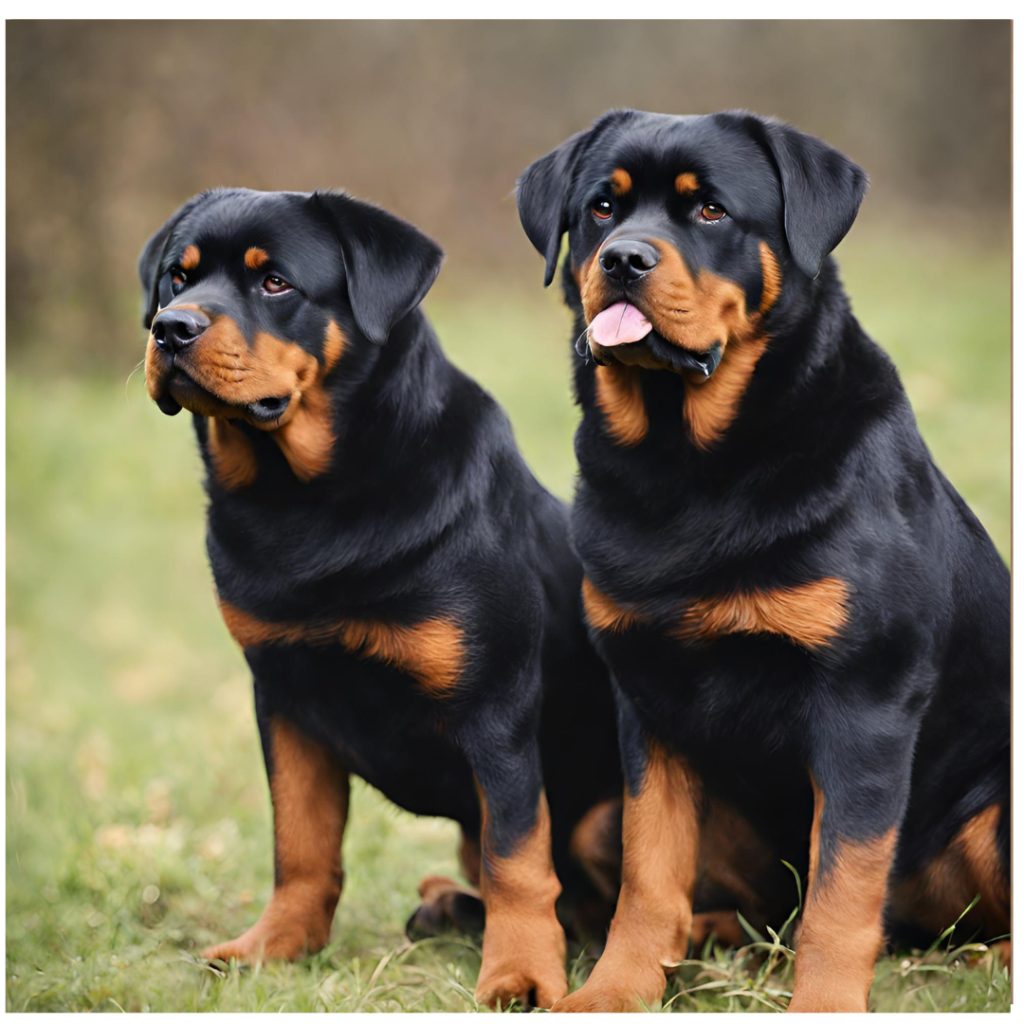
Rottweilers are powerful, intelligent dogs that need more than a random ball from the pet aisle. The best Rottweiler toys give them a safe outlet for chewing, encourage problem-solving, and make daily exercise more enjoyable. Size and strength matter, but durability alone is not enough: a toy should also suit your dog’s age, play style, dental health, and level of supervision.
No toy is completely indestructible. Check every toy before and after play, remove damaged pieces promptly, and choose products large enough that your Rottweiler cannot swallow them.
How to Choose Safe Rottweiler Toys
Start by watching how your dog plays. Some Rottweilers carefully carry toys, while others crush, shred, or pull with their full body weight. Choose the toy for the dog in front of you rather than relying only on a label such as “heavy duty.”
- Choose the correct size: The toy should be too large to fit completely inside your dog’s mouth, but not so large that it strains the jaw.
- Inspect the material: Look for smooth, non-toxic materials without loose decorations, exposed staples, strings, or brittle plastic.
- Match the chewing level: A moderate chewer may enjoy durable rubber, while a determined shredder needs closer supervision and more frequent replacement.
- Protect the teeth: Extremely hard objects can fracture teeth. AAHA warns that hard chews can damage teeth; supervision does not remove that risk. Ask your veterinarian which materials suit your dog.
- Rotate toys: Keeping several toys in rotation makes familiar items feel interesting again and reduces boredom.
Best Toys for Rottweiler Puppies
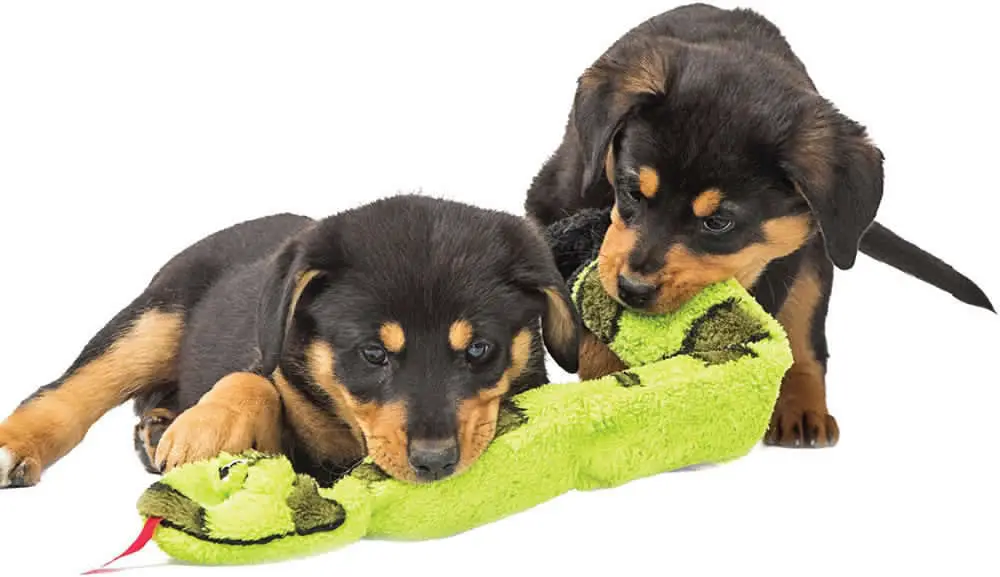
Puppies explore with their mouths and often chew more during teething. Their toys should be gentler than those designed for adult power chewers. Soft puppy-safe rubber, textured teething toys, and appropriately sized food-stuffable toys can soothe the urge to chew while teaching the puppy what is acceptable.
Soft Rubber Teething Toys
A flexible rubber toy can be chilled according to the manufacturer’s directions and offered during supervised quiet time. Avoid toys that are small enough to swallow or that quickly split into chunks.
Food-Stuffable Puppy Toys
Stuffable toys turn a meal into a short enrichment session. Use part of the puppy’s normal food allowance rather than adding large amounts of extra treats. Begin with an easy filling so the puppy learns how the toy works.
Gentle Tug Toys
Tug can be a useful game when it has simple rules: the puppy takes the toy on cue, releases it when asked, and pauses if teeth touch skin. Gentle games help build engagement without encouraging frantic behavior. Our Rottweiler training guides offer more ideas for building reliable cues.
Durable Toys for Adult Rottweilers
Heavy-Duty Rubber Chew Toys
Dense rubber toys are a practical choice for many adult Rottweilers because they combine chewing with enrichment. Select the manufacturer’s recommended size and replace the toy when deep cracks, missing pieces, or sharp edges appear.
Rope and Tug Toys
A long tug toy keeps hands farther from the dog’s mouth and supports interactive exercise. Rope toys should be used with supervision because swallowed strands can cause serious digestive problems. Put the toy away when the game ends instead of leaving it as a full-time chew.
Balls and Fetch Toys
Choose a ball designed for large dogs and confirm that it cannot slide behind the back teeth. Standard tennis balls can wear down tooth enamel when dogs repeatedly chew them, so use fetch balls made for canine play and do not leave them available for constant chewing. Keep fetch sessions moderate, especially in hot weather or on slippery surfaces.
Puzzle and Scent Toys
Rottweilers often enjoy work that involves both movement and thought. Treat puzzles, snuffle mats, and hide-and-seek games encourage the dog to slow down and solve a problem. Start with an easy level, supervise the first sessions, and increase difficulty only when the dog remains relaxed rather than frustrated.
Toys for Senior Rottweilers
Older dogs may still love play but need softer materials, shorter sessions, and better footing. Lightweight toys are easier to carry, while simple scent games provide enrichment without demanding hard running or jumping. Dogs with worn teeth, arthritis, or other health concerns may need recommendations from their veterinarian.
Toy Safety: When to Throw a Toy Away
Remove a toy immediately if it has split seams, exposed stuffing, loose squeakers, sharp edges, missing chunks, or long strands. Keep damaged pieces out of reach. If your dog guards a toy, avoid grabbing it or confronting the dog; use safe management and seek professional advice. If you believe your Rottweiler swallowed part of a toy, contact a veterinarian promptly; vomiting, repeated retching, abdominal pain, loss of appetite, or unusual tiredness can require urgent care.
Children should not take toys from a dog or join rough tug games without close adult supervision. If your Rottweiler stiffens, freezes, growls, or guards toys, stop the interaction and seek guidance from a qualified reward-based trainer or veterinary behavior professional. You can also review our Rottweiler behavior articles.
A Simple Weekly Toy Routine
A balanced routine might include a food puzzle at breakfast, a short tug or fetch session later in the day, and a supervised chew during quiet family time. Rotate the available toys every few days and clean them according to the manufacturer’s directions. Play should complement walks, training, rest, and time with the family—not replace them.
Frequently Asked Questions
What is the best toy for a Rottweiler?
There is no single best toy for every Rottweiler. A large, durable rubber toy is a useful starting point, but the safest choice depends on the dog’s age, chewing intensity, health, and play habits.
Can Rottweilers have squeaky toys?
Yes, if the toy is appropriately sized and play is supervised. Remove it as soon as the squeaker or stuffing becomes accessible.
How often should Rottweiler toys be replaced?
Replace them whenever damage makes them unsafe. Some power chewers may wear out toys quickly, so inspection before every session matters more than a fixed schedule.
Final Thoughts
Good Rottweiler toys support safe chewing, mental exercise, training, and quality time with the owner. Choose the correct size, supervise energetic play, rotate toys to maintain interest, and retire damaged items early. A thoughtful mix of chew, tug, fetch, and puzzle toys will serve most Rottweilers better than searching for one supposedly indestructible product.