
As beloved companions, dogs hold a special place in many homes. However, it’s crucial for dog owners to understand the potential hazards lurking in their kitchens. Certain foods, while delightful for humans, can be toxic to dogs, leading to severe health issues or even fatal consequences. In this article, we will explore the top 10 foods that are harmful to dogs, highlighting their effects, symptoms of poisoning, and what pet owners should know to keep their furry friends safe.
1. Chocolate


Why Chocolate Is Toxic
Chocolate contains two toxic compounds for dogs: theobromine and caffeine. Unlike humans, dogs metabolize these substances much more slowly, leading to toxic levels that can cause serious health issues. Dark chocolate and baking chocolate contain higher concentrations of theobromine, making them particularly dangerous, while white chocolate has less of these compounds and is less toxic but should still be avoided.
Symptoms of Chocolate Poisoning
Common symptoms of chocolate poisoning in dogs include vomiting, diarrhea, increased heart rate, restlessness, and in severe cases, seizures or even death. The severity of the symptoms often depends on the type and amount of chocolate consumed relative to the dog’s size. Immediate veterinary attention is required if chocolate ingestion is suspected.
2. Grapes and Raisins

Effects on Dogs
The exact substance within grapes and raisins that causes toxicity in dogs is still unknown. However, even small amounts of these fruits can lead to kidney failure in some dogs, making them highly dangerous. Not all dogs are affected equally, but it is best to avoid giving grapes and raisins altogether.
Signs of Toxicity
Symptoms of grape or raisin toxicity may not appear immediately and can include vomiting, diarrhea, lethargy, loss of appetite, and abdominal pain. In severe cases, dogs may experience decreased urination, which can indicate kidney failure. If ingestion occurs, seeking veterinary care promptly can be lifesaving.
3. Onions and Garlic

How These Foods Affect Dogs
Onions and garlic contain compounds called thiosulfates, which can be toxic to dogs. These compounds can damage red blood cells, leading to a condition known as hemolytic anemia. Cooking does not eliminate their toxicity; therefore, both raw and cooked forms of these foods are dangerous.
Potential Health Risks
Symptoms of thiosulfate toxicity include vomiting, diarrhea, abdominal pain, lethargy, and more severe cases may lead to jaundice or panting due to anemia. It is important for dog owners to be cautious about any food that may contain onions or garlic, including certain baby foods and sauces, and to consult a veterinarian if ingestion is suspected.
4. Xylitol

Understanding Xylitol’s Danger
Xylitol is a sugar substitute commonly found in sugar-free products, including gum, candy, and some baked goods. While safe for human consumption, xylitol is extremely toxic to dogs. It causes a rapid release of insulin, leading to hypoglycemia (low blood sugar), which can be life-threatening.
Symptoms of Xylitol Poisoning
Symptoms of xylitol poisoning can manifest within 30 minutes of ingestion and include vomiting, loss of coordination, lethargy, and seizures. If a dog consumes xylitol, immediate veterinary intervention is crucial to prevent severe health complications.
5. Avocado

Components that Are Harmful
Avocados contain a substance called persin, which is toxic to some animals, including dogs. Although dogs are less sensitive to persin compared to other animals like birds or ruminants, large quantities can still cause gastrointestinal upset and respiratory issues.
Impact on Canine Health
In addition to persin, the large pit in avocados poses a choking hazard, and the high-fat content can lead to pancreatitis in dogs. Symptoms of avocado toxicity may include vomiting and diarrhea, and it is generally best to avoid feeding dogs avocado altogether.
6. Macadamia Nuts

Why Macadamia Nuts Are Dangerous
Macadamia nuts are another food that is toxic to dogs. The exact mechanism of toxicity is not fully understood, but even a small amount can cause adverse effects. These nuts can lead to weakness, depression, tremors, and hyperthermia in dogs.
Recognition of Symptoms
Symptoms usually appear within 12 hours of ingestion and can include vomiting, lethargy, tremors, and an elevated body temperature. If your dog ingests macadamia nuts, prompt veterinary care is recommended to address potential complications.
7. Alcohol
Effects of Alcohol Consumption
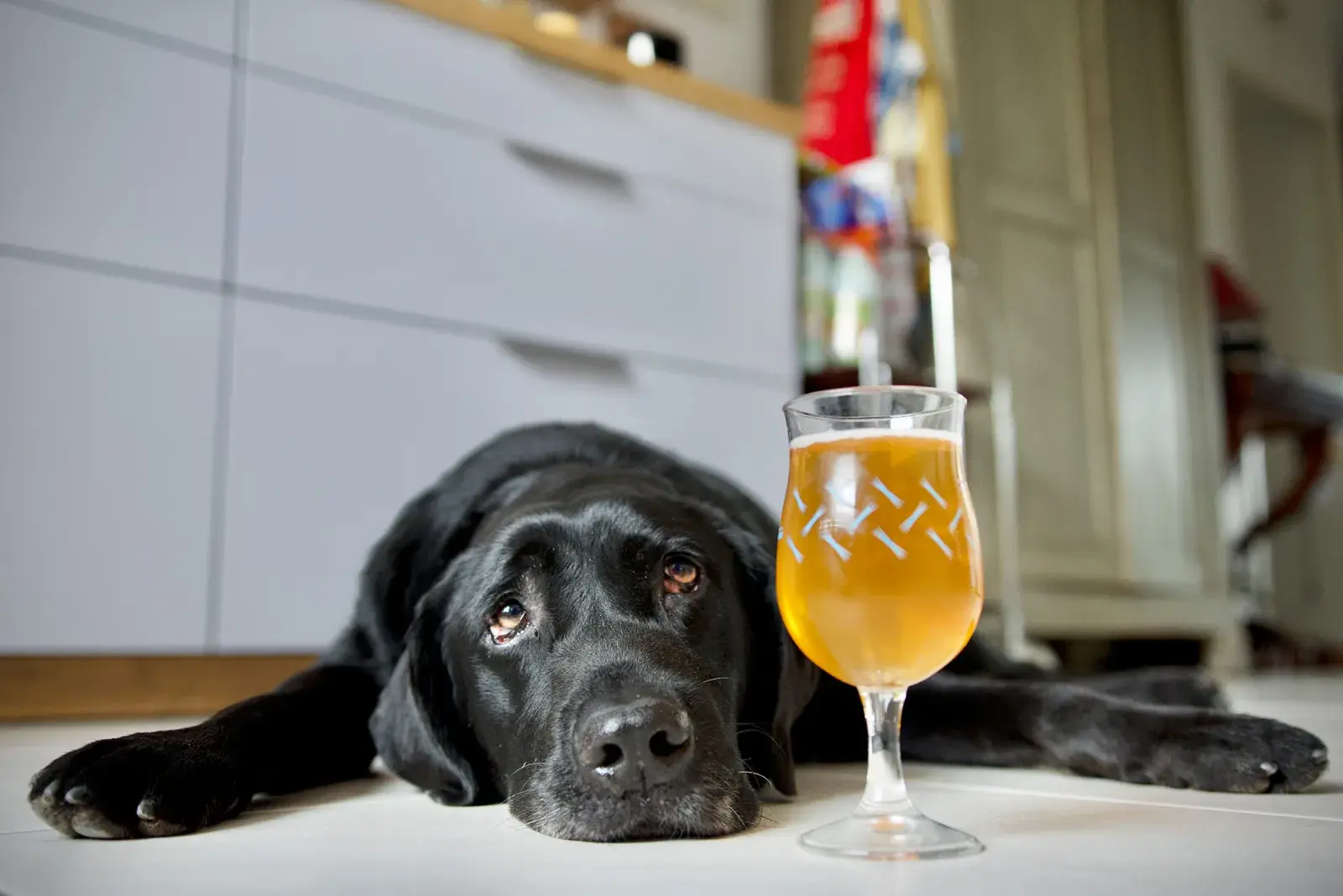
Alcohol poses a significant risk to dogs, even in small amounts. It can lead to intoxication and alcohol poisoning, which can be fatal. Dogs are much more sensitive to alcohol than humans, and even a small quantity can cause serious health issues.
Signs of Alcohol Toxicity
Signs of alcohol poisoning in dogs can include vomiting, disorientation, difficulty breathing, tremors, and even coma. In severe cases, it can lead to death. If a dog is suspected to have ingested alcohol, it is critical to seek emergency veterinary care immediately.
8. Caffeine
How Caffeine Affects Dogs
Caffeine is another stimulant that can be harmful to dogs. Found in coffee, tea, chocolate, and some medications, caffeine can lead to a host of serious health issues. Dogs are particularly sensitive to its effects, which can include increased heart rate and restlessness.
Symptoms of Caffeine Poisoning
Symptoms of caffeine poisoning can occur within one to two hours after ingestion and may include vomiting, diarrhea, rapid breathing, increased heart rate, and even seizures. Immediate veterinary intervention is essential to counteract the effects of caffeine toxicity.
9. Cooked Bones

Risks Associated with Cooked Bones
While many dog owners may instinctively give their pets bones, cooked bones can splinter and pose serious health risks. They can cause choking, blockages in the digestive tract, or lacerations in the mouth or stomach. Raw bones are typically safer but still come with risks.
Alternatives to Cooked Bones
Instead of cooked bones, consider providing dogs with alternatives like specially designed chew toys or raw bones that are less likely to splinter. Always supervise dogs while they are chewing and consult your veterinarian for safe options.
10. Salt
How Excessive Salt Affects Dogs
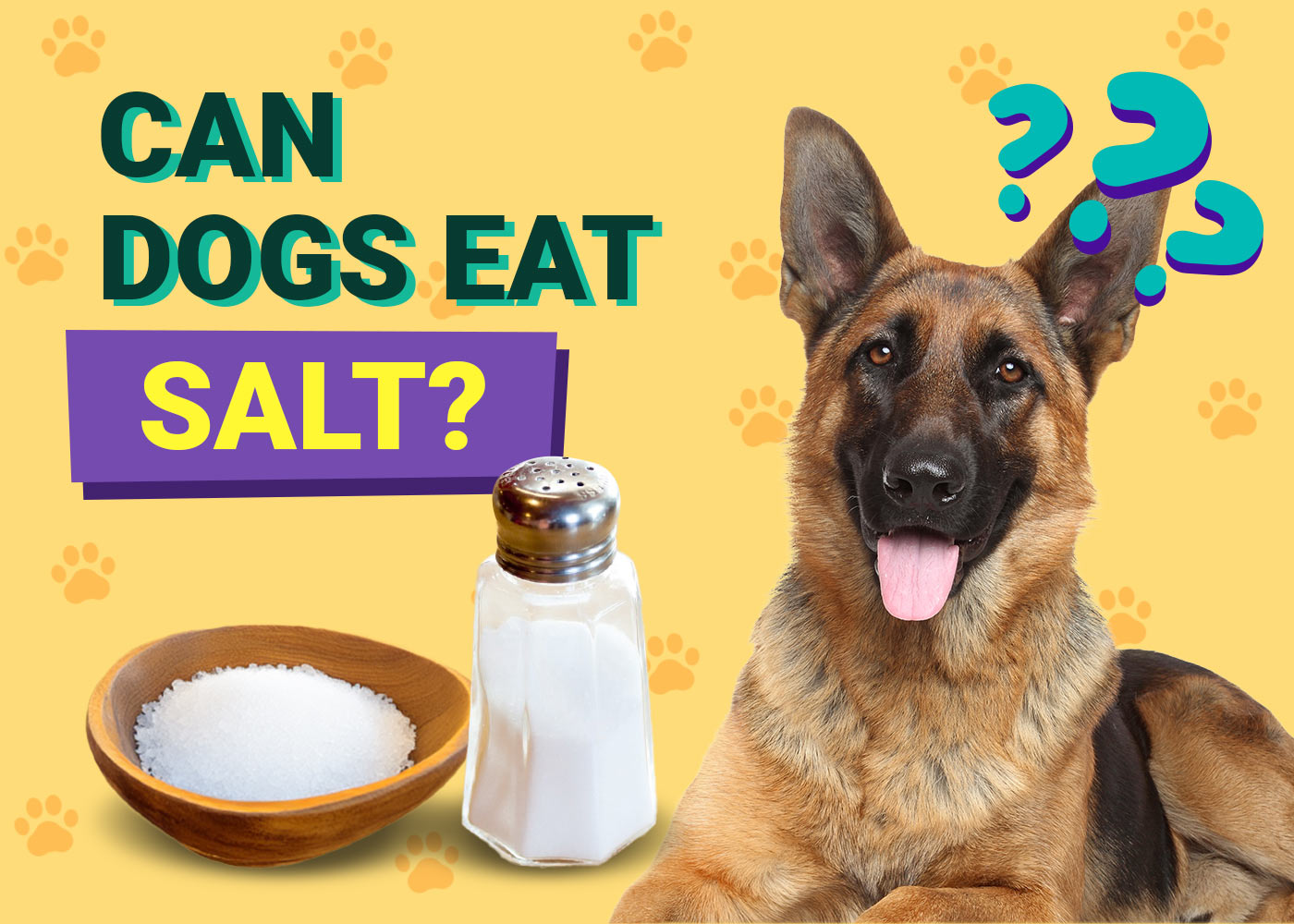
Salt is necessary in small amounts for a dog’s diet, but excessive salt intake can lead to salt poisoning. Dogs that consume large quantities of salt can suffer from hypernatremia, which can cause significant health issues.
Signs of Salt Poisoning
Signs of salt poisoning include excessive thirst, urination, vomiting, and in severe cases, tremors or seizures. If a dog is suspected of having consumed too much salt, immediate veterinary attention is crucial to prevent long-term complications.
Conclusion
Protecting dogs from these ten toxic foods is essential for their health and well-being. Awareness of what foods to avoid can prevent potential emergencies and keep our furry friends safe. Regular veterinary check-ups and consultations can ensure a pet’s diet remains healthy and free from harmful substances. By being informed and vigilant, dog owners can contribute significantly to their pet’s longevity and quality of life.
FAQs
1. What should I do if my dog eats something toxic?
If you suspect your dog has ingested a toxic substance, contact your veterinarian or an emergency animal clinic immediately. Provide as much information as possible, including the type of food ingested and the amount.
2. Are there any safe alternatives to the toxic foods listed?
Yes, there are many pet-safe alternatives to the toxic foods. For instance, instead of chocolate, consider carob as a safe treat. Fresh fruits like apples (without seeds) and carrots can be healthy snacks instead of grapes or raisins.
3. How can I learn more about my dog’s dietary needs?
Consult with your veterinarian about your dog’s dietary needs, including proper nutrition, safe treats, and any specific restrictions based on health conditions. They can provide tailored advice based on your dog’s size, breed, and age.
4. Can dogs eat human food?
While some human foods are safe for dogs, many are not. It’s important to research and verify which foods are safe for canine consumption to avoid accidental poisoning.
5. What are some safe treats for dogs?
Safe treats for dogs include carrots, green beans, sweet potatoes, and commercial dog treats formulated for canine health. Always check labels and consult a veterinarian if unsure.