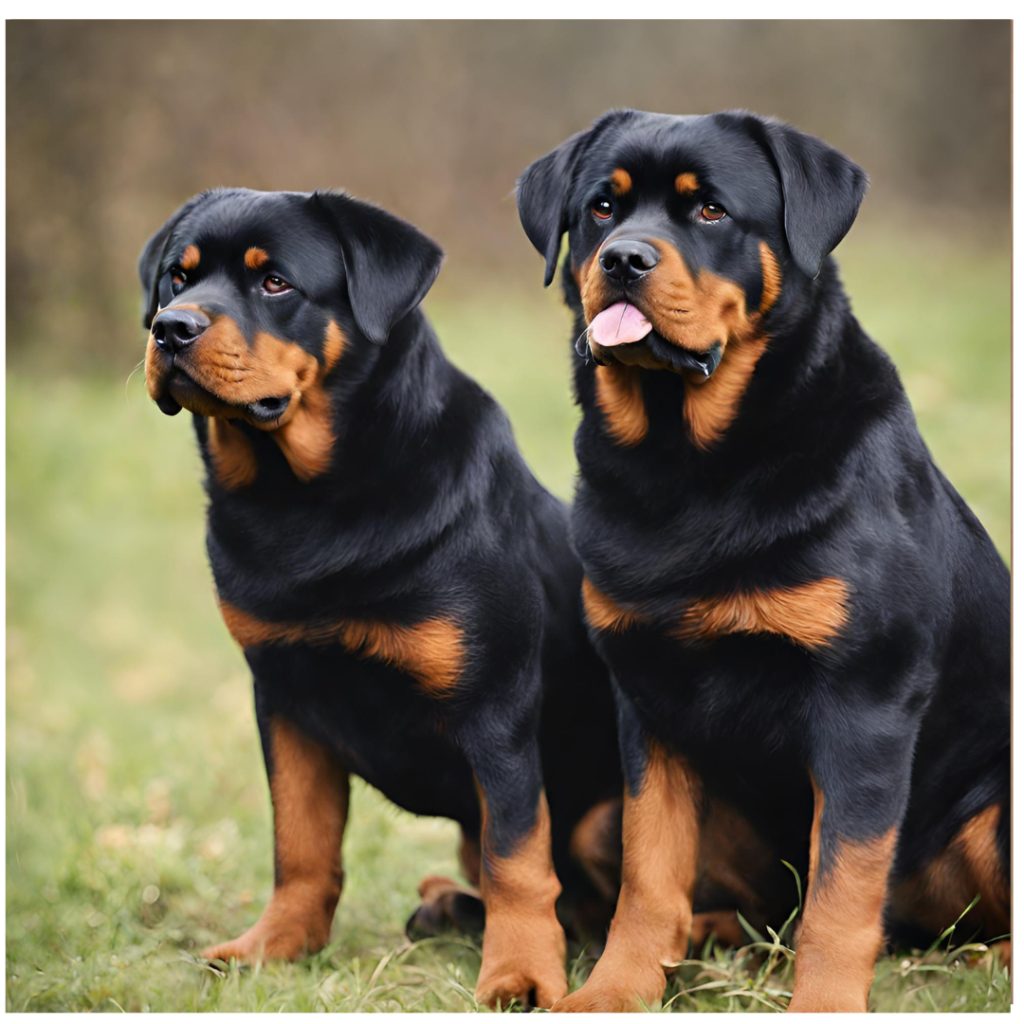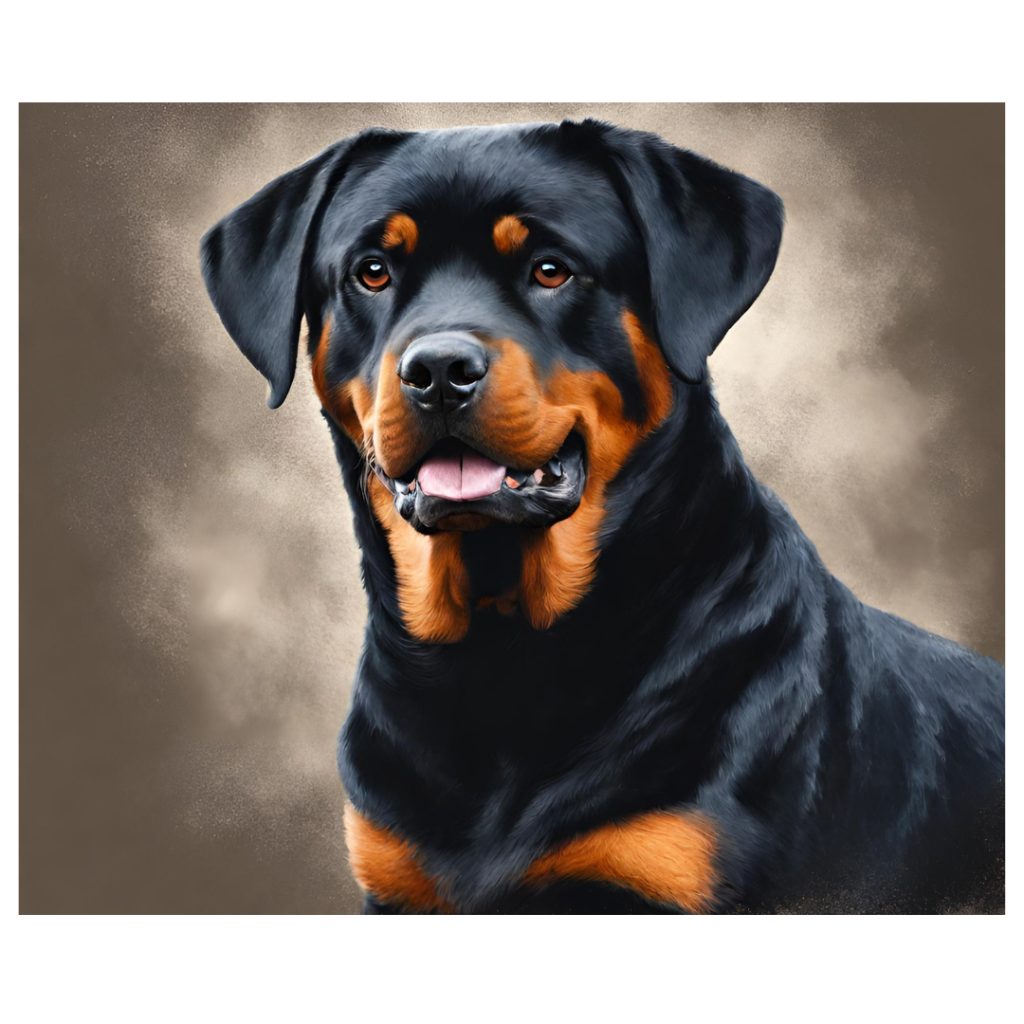
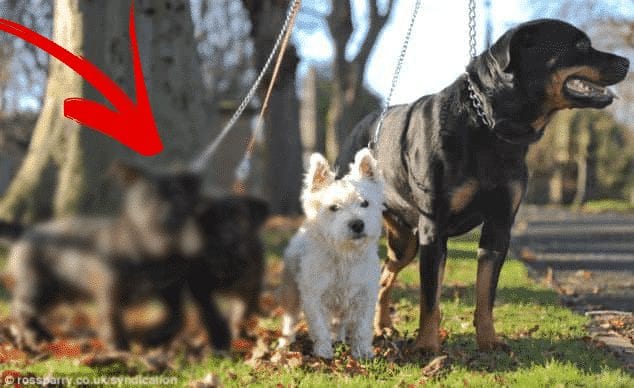
A Rottweiler crossed with a West Highland White Terrier—often called a Rottweiler Westie mix—is an unusual combination. Because the parent breeds differ greatly in size, structure, coat, and working history, puppies can be difficult to predict. Prospective owners should focus on health, temperament, and responsible breeding rather than expecting a specific appearance.
What Might the Puppies Look Like?
Mixed-breed puppies can inherit any combination of traits from either parent. An adult may be small, medium, or surprisingly large. The coat may be short, wiry, or somewhere between, and color can vary. Even littermates may look and behave very differently.
No breeder can guarantee that a puppy will have the Rottweiler’s markings with the Westie’s compact size. Size predictions are especially uncertain when the parents are so different.
Possible Temperament
Rottweilers are powerful working dogs often valued for confidence, trainability, and loyalty. Westies are energetic terriers developed to pursue small animals. A mix may be affectionate and intelligent, but could also inherit high prey drive, independence, guarding tendencies, or intense energy.
Breed tendencies are only part of the picture. Genetics, early development, socialization, training, health, and the home environment all shape the adult dog.
Training and Socialization
Begin reward-based training early. Teach name response, recall, leash skills, handling, settling, and leaving objects. Use secure fencing and a leash because terrier-like chase behavior may appear. Gradually introduce the puppy to different people, surfaces, sounds, and friendly animals without forcing interaction.
More guidance is available in our dog training articles.
Exercise and Enrichment
Daily needs depend on the dog’s eventual size, health, and temperament. Most will benefit from walks, sniffing games, food puzzles, chewing, and short training sessions. Avoid excessive jumping or forced running while a puppy is growing, particularly if the dog develops a heavier Rottweiler-like frame.
Grooming Needs
A short coat may need simple weekly brushing, while a wiry coat can require more frequent brushing and professional grooming. Check ears, trim nails, provide dental care, and introduce grooming gradually with rewards.
Health Considerations
Mixed breeding does not automatically eliminate inherited disease. Both parents should receive health testing appropriate to their breed, and the size difference creates additional welfare concerns for planned mating and pregnancy. Prospective owners should ask a veterinarian about orthopedic, cardiac, eye, skin, and genetic risks relevant to both lines.
Never breed dogs simply to create unusual-looking puppies. Responsible breeding requires health records, stable temperaments, suitable structure, a welfare-focused breeding plan, and lifelong responsibility for every puppy.
Finding or Adopting This Mix
This cross is rare, so owners may encounter one through a rescue rather than a planned breeder. Ask for veterinary records and as much behavioral history as possible. Spend time with the individual dog and choose based on compatibility, not the novelty of the mix.
Final Takeaway
A Rottweiler Westie mix may become a loving companion, but appearance, size, drive, and care needs are unpredictable. Prepare for traits from either parent, use humane training, budget for veterinary care, and prioritize the individual dog’s welfare throughout life.