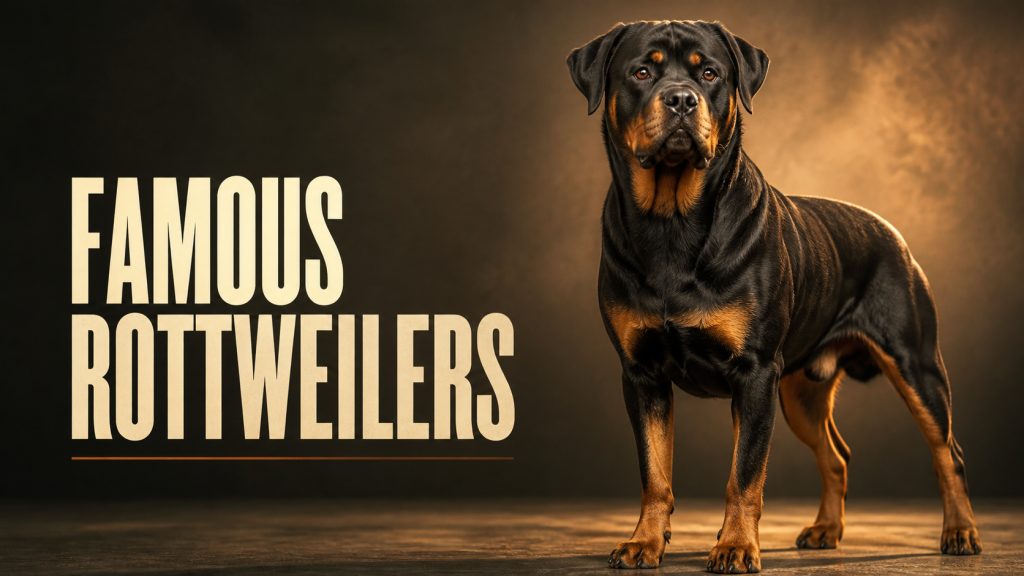
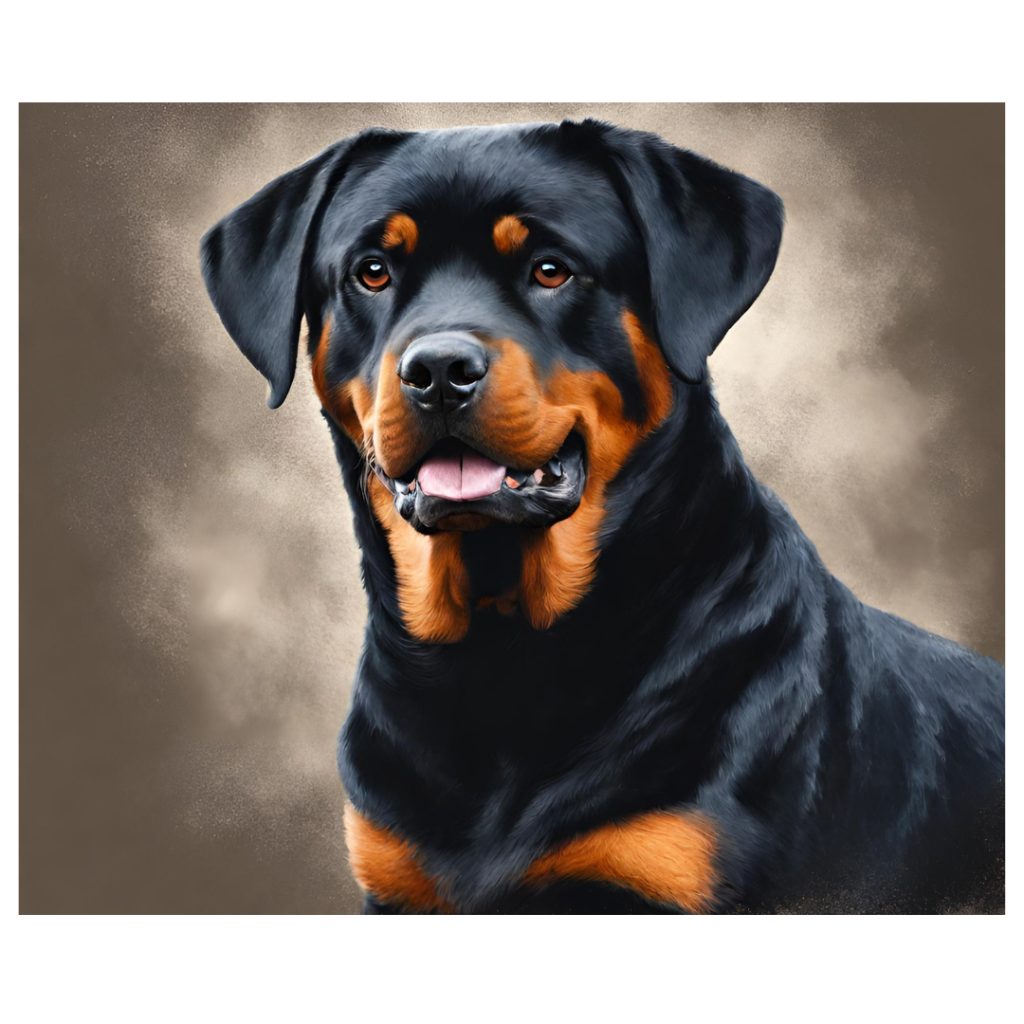
The term “German Rottweiler” usually describes a Rottweiler bred in Germany or from German bloodlines—not a separate breed. All purebred Rottweilers share the same historical roots, but breeding organizations may apply different registration, health, and working requirements. Buyers should evaluate the individual dog and breeder rather than relying on a label.
Origins of the Rottweiler
The breed developed around the German town of Rottweil, where powerful working dogs helped move livestock and protect property. Later, Rottweilers served in police, military, search, service, and companion roles. Their working history explains their strength, confidence, intelligence, and need for purposeful training.
German and American Rottweilers
“German” and “American” are commonly used marketing descriptions, not two officially separate breeds. Differences people notice often come from bloodlines, breeder priorities, nutrition, conditioning, and the standards used by local kennel organizations. A dog born in Germany may be registered under German rules, while one born in the United States may follow American Kennel Club requirements.
Country of birth does not guarantee health, temperament, or quality. Responsible breeding records matter more than exaggerated claims about head size, weight, or nationality.
Appearance and Structure
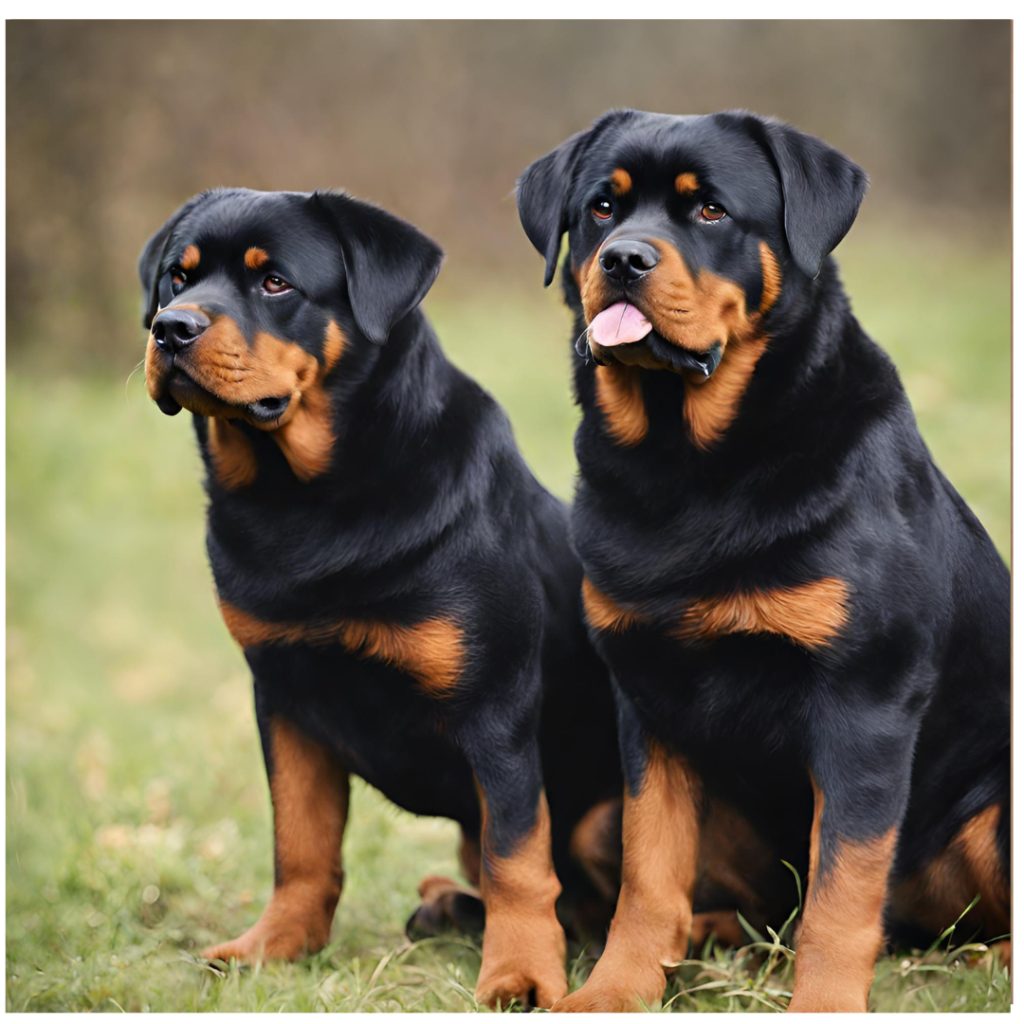
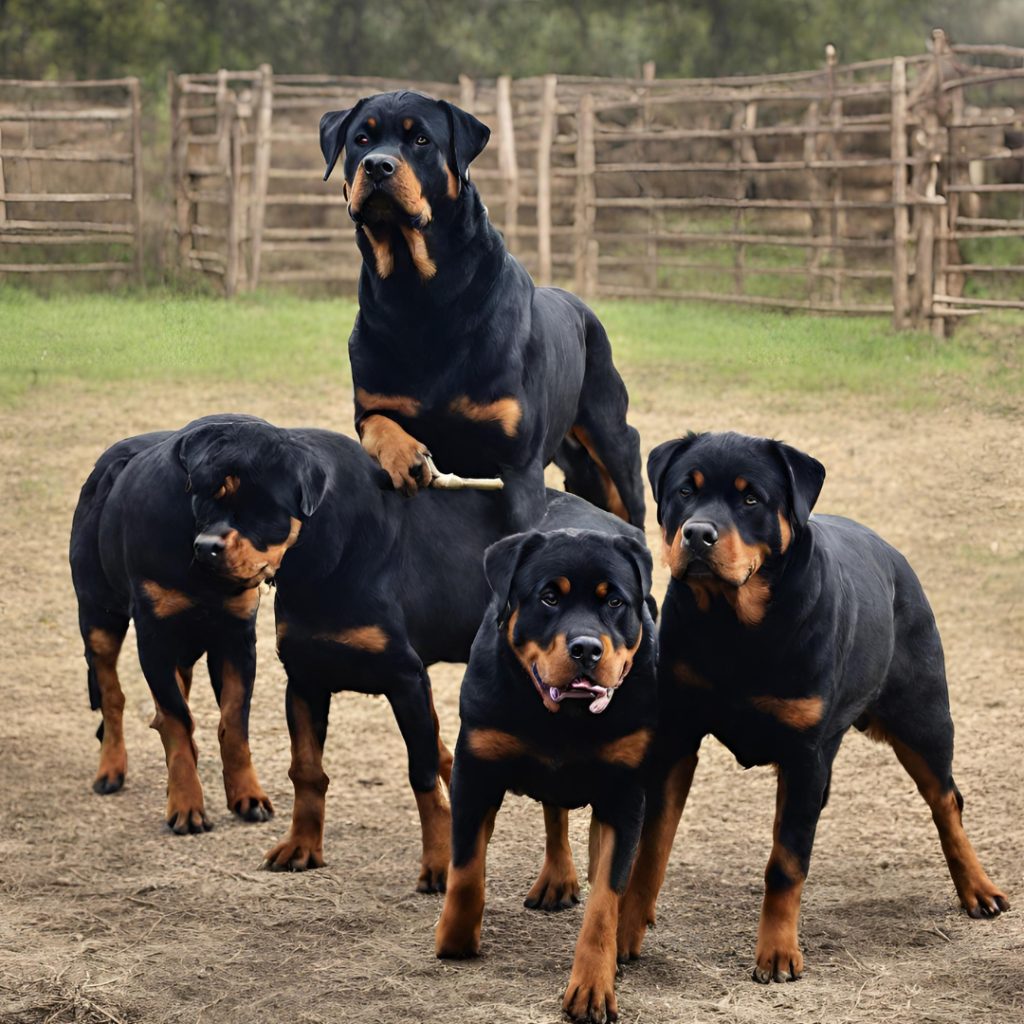
A sound Rottweiler is compact, muscular, balanced, and athletic. The coat is black with clearly defined rust or mahogany markings. The dog should move efficiently without appearing excessively heavy. Oversized bodies, extremely short muzzles, and exaggerated heads may look impressive in photographs but should never be prioritized over breathing, movement, and long-term health.
Temperament
Well-bred Rottweilers are typically confident, attentive, devoted to their families, and reserved rather than indiscriminately friendly. Individual temperament varies. Genetics, early socialization, training, health, and daily experiences all influence behavior.
Because the breed is large and powerful, calm handling and dependable manners are essential. Reward-based training should begin early and continue throughout adulthood. Visit our Rottweiler training section for practical guidance.
Exercise and Mental Work
Rottweilers need daily physical activity as well as jobs that use their minds. Structured walks, obedience, scent games, tracking, retrieving, and controlled tug can provide healthy outlets. Puppies require age-appropriate activity; repetitive high-impact exercise should wait until their bodies mature.
Health and Responsible Breeding
Ask breeders for verifiable health-testing results for both parents, not only a statement that a veterinarian “checked” them. Discuss hips, elbows, heart health, eyes, and relevant genetic screening with a veterinarian or knowledgeable breed professional. A responsible breeder should explain their goals, allow questions, provide a contract, and remain available throughout the dog’s life.
Our care and health articles cover nutrition, preventive care, and common concerns.
Is a German Rottweiler Right for You?
A Rottweiler may suit an owner who can provide training, supervision, exercise, secure housing, veterinary care, and long-term commitment. The breed may be difficult for households that want a low-maintenance dog or cannot safely manage a strong adolescent.
Questions to Ask a Breeder
Ask how puppies are raised, what social experiences they receive, how the breeder evaluates temperament, and what support is provided after placement. Request copies of health results and registration information, meet the mother when possible, and be cautious of pressure to pay quickly or promises that every puppy will be suitable for protection work.
Final Takeaway
The best “German Rottweiler” is not simply the largest dog or the one with the most impressive pedigree. Look for sound health, stable temperament, functional structure, transparent breeding practices, and a puppy whose needs match your home.