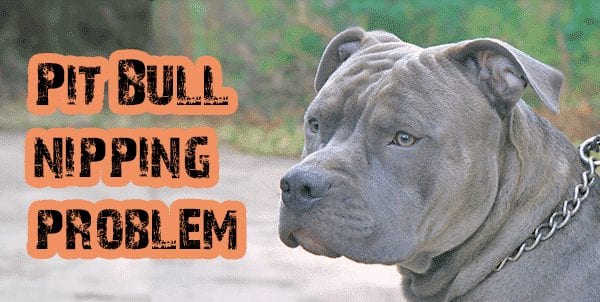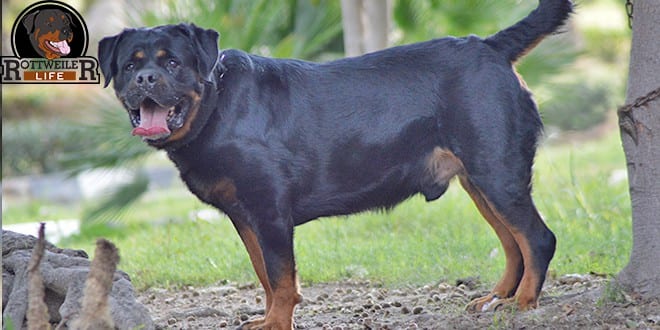
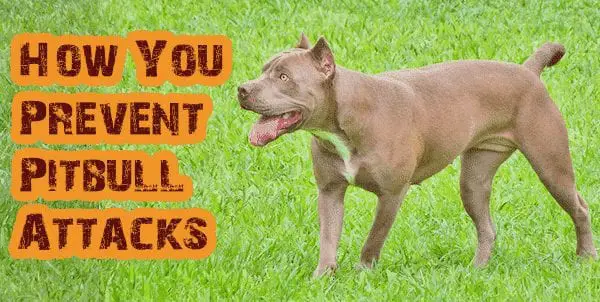
Preventing dog bites starts with understanding behavior, controlling the environment, and treating every dog as an individual. Pit Bulls are often discussed in conversations about serious bites, but safety should never depend on assumptions about breed alone. Any dog may bite when frightened, injured, cornered, guarding something valuable, or pushed beyond their ability to cope.
Learn the Early Warning Signs
Dogs usually communicate discomfort before a bite, although the signals can be subtle or brief. Watch for a stiff body, freezing, a hard stare, a tightly closed mouth, lip lifting, growling, repeated lip licking, pinned ears, a tucked tail, or attempts to move away. A wagging tail does not always mean a dog is comfortable; the dog’s entire posture and the situation matter.
When you notice tension, increase distance immediately. Do not punish a growl. Growling is useful warning information, and suppressing it does not resolve the fear or discomfort underneath.
Use Management Before Training
Good management prevents unsafe situations while training is still in progress. Use secure fencing, working gates, a properly fitted leash, and physical barriers inside the home. Do not allow any powerful dog to roam unsupervised. Check collars, harnesses, and fences regularly rather than waiting for equipment to fail.
Separate dogs during meals and when high-value chews are available if guarding is a concern. Place the dog in a quiet room or behind a gate before opening the door to visitors. Management is not failure; it is a practical layer of safety.
Train With Rewards, Not Fear
Teach useful skills such as recall, “leave it,” “drop it,” waiting at doors, settling on a mat, and walking calmly on leash. Practice in easy environments first, reward success, and gradually add distractions. Short, frequent sessions are more productive than long confrontational ones.
The American Veterinary Society of Animal Behavior recommends reward-based methods for dog training and behavior modification. Avoid hitting, alpha rolls, intimidation, shock collars, and other methods that rely on pain or fear. These approaches can increase stress and damage the trust needed for safe handling.
Our dog training guides offer additional ideas for building reliable everyday behavior.
Socialize Puppies Carefully
Socialization means creating safe, positive experiences—not forcing a puppy to endure overwhelming contact. Introduce different people, surfaces, sounds, environments, and friendly animals gradually. Pair new experiences with food, play, and the freedom to move away.
Quality matters more than the number of encounters. A frightened puppy pushed into crowded situations may learn that unfamiliar people or dogs are dangerous. Ask your veterinarian about safe socialization plans that account for local disease risks and vaccination status.
Supervise Dogs and Children
Never leave a young child alone with a dog, regardless of breed, size, or previous behavior. Adults should actively supervise rather than simply being in the same room. Teach children not to climb on dogs, pull ears or tails, take food or toys, disturb sleep, or approach a dog who is hiding.
Give the dog a comfortable retreat that children cannot enter. If either the child or dog becomes excited, separate them calmly. Gates, pens, and closed doors are valuable safety tools.
Prevent Guarding Conflicts
Do not repeatedly grab food or possessions to “prove” control. Instead, teach trading: offer a better treat, wait for the dog to release the object, reward, and return safe items when appropriate. If guarding already involves freezing, growling, snapping, or biting, consult a qualified behavior professional rather than practicing risky exercises alone.
Protect Visitors and Other Animals
Not every dog enjoys strangers, crowded gatherings, or dog parks. Respect the individual dog’s comfort level. For visitors, use a leash or barrier and allow the dog to approach only when relaxed. Do not permit guests to corner, hug, or reach over a nervous dog.
Introduce dogs on neutral ground with space to move. Keep leashes loose where safely possible, end the interaction at the first signs of escalating tension, and avoid leaving unfamiliar dogs together unsupervised.
What to Do Around an Unfamiliar Dog
Ask the owner before approaching. Let the dog choose whether to make contact, and avoid leaning over its head. If a loose dog approaches and you feel unsafe, remain as calm and still as possible. Avoid screaming, running, staring directly into the dog’s eyes, or making sudden movements. Place an object such as a bag, jacket, bicycle, or trash bin between you and the dog if necessary, and back away slowly when there is a safe route.
If you are knocked down, curl into a ball, protect your head and neck, and remain still until help arrives.
When Professional Help Is Necessary
Contact a veterinarian if aggression begins suddenly, occurs when the dog is touched, or appears alongside changes in appetite, movement, sleep, or mood. Pain and medical problems can affect behavior.
Seek qualified behavioral help after any bite, repeated snapping, unpredictable aggression, serious guarding, or threats toward children. Look for a veterinary behaviorist or a credentialed trainer who uses humane, reward-based methods. Avoid anyone who guarantees a cure or encourages you to provoke the dog to “test” it.
What to Do After a Dog Bite
Move to safety and wash the wound promptly with soap and water. Seek medical attention for deep punctures, uncontrolled bleeding, bites to the face or hands, signs of infection, or any injury involving a child or vulnerable adult. The CDC’s dog safety guidance recommends discussing rabies risk and other treatment needs with a healthcare professional and relevant local authorities when appropriate.
Obtain the owner’s contact information and the dog’s vaccination details when this can be done safely. Follow local reporting requirements. Do not try to capture or confront a loose dog yourself.
Responsible Ownership Reduces Risk
Safe ownership combines humane training, veterinary care, exercise, enrichment, secure containment, and realistic decisions about the dog’s environment. Spaying or neutering decisions should be discussed individually with a veterinarian; surgery is not a substitute for training or management.
Keep identification and vaccinations current, follow local leash laws, and arrange care that matches the dog’s physical and emotional needs. More preventive guidance is available in our dog care and health section.
Final Takeaway
Dog-bite prevention is not about labeling every Pit Bull as dangerous or assuming any familiar dog is completely safe. It is about reading body language, preventing risky situations, teaching useful skills with rewards, supervising children, and getting professional help early. Thoughtful management protects people, other animals, and the dog itself.