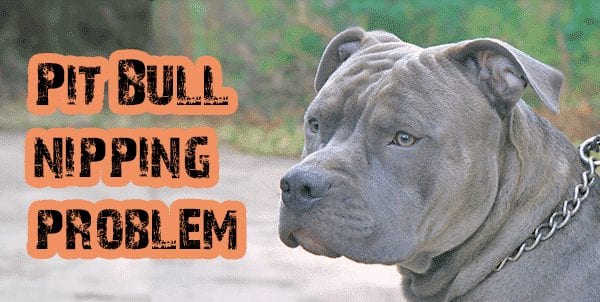
Puppy nipping can be frustrating, especially when sharp little teeth catch your hands, clothes, or ankles. The good news is that mouthing is normal for young dogs—including Pit Bull puppies—and it can usually be improved with patient, reward-based training. The goal is not to punish a puppy for exploring with their mouth. It is to teach them what they should bite, how gently they must interact with people, and when play needs to pause.
Why Pit Bull Puppies Nip
Puppies use their mouths to explore, play, and communicate. Nipping often increases during teething, high-energy play, or moments when a puppy is overtired. It can also become a habit when people accidentally reward it by waving their hands, shouting, or continuing an exciting game.
This behavior is not unique to Pit Bulls, and it does not automatically mean a puppy is aggressive. Breed labels alone cannot explain an individual dog’s behavior. Age, learning history, environment, health, and temperament all matter.
Playful Nipping or a More Serious Bite?
Playful mouthing is usually loose and bouncy. The puppy may bow, wiggle, chase a toy, and return to play quickly. More concerning behavior may involve a stiff body, freezing, guarding food or objects, repeated hard bites, intense staring, growling paired with tension, or biting that appears suddenly when the dog is touched.
If a puppy’s behavior changes abruptly, arrange a veterinary examination. Pain, illness, or discomfort can make a dog less tolerant of handling. If a bite breaks skin, seek appropriate medical care for the person who was bitten.
How to Stop Pit Bull Puppy Nipping
1. Keep an Appropriate Toy Within Reach
Before play begins, have a tug toy, soft toy, or safe chew ready. If your puppy aims for your hands or clothing, calmly redirect them to the toy. Praise and continue the game when they choose it. Longer toys can create useful distance between excited teeth and your fingers.
2. Pause Play When Teeth Touch Skin
When a hard nip occurs, stop moving and end attention briefly. Step behind a gate or turn away for about 10 to 20 seconds, then resume calmly. This teaches a simple consequence: gentle play continues, while hard mouthing makes the fun stop. If yelping excites your puppy or causes harder biting, skip it and use a quiet pause instead.
3. Reward the Behavior You Want
Notice and reward calm choices: four paws on the floor, sitting for attention, licking instead of biting, and playing with toys. Small treats, praise, or access to play can all reinforce these behaviors. The American Veterinary Society of Animal Behavior recommends reward-based methods and advises against aversive training tools and physical punishment.
4. Provide Rest, Exercise, and Enrichment
An overstimulated or exhausted puppy often becomes extra mouthy. Build regular naps into the day and provide age-appropriate walks, sniffing games, food puzzles, short training sessions, and safe chewing opportunities. Avoid strenuous forced exercise while a puppy’s joints are developing. For more structured activities, explore our dog training guides.
5. Manage Common Triggers
Keep a simple note of when nipping happens. Does it occur in the evening, during dressing, when visitors arrive, or while children run? Anticipate those moments with a toy, leash, baby gate, or quiet rest period. Management prevents repeated rehearsal while your puppy learns better habits.
What Not to Do
Do not hit, pin, shake, alpha-roll, or hold a puppy’s mouth closed. Avoid yelling in their face or using tools designed to frighten or hurt them. Physical punishment can increase fear, damage trust, and make defensive behavior worse. The ASPCA’s guidance on puppy mouthing and nipping also warns against painful or frightening corrections.
Do not encourage wrestling with bare hands if you later expect the puppy to keep teeth away from skin. Everyone in the household should follow the same rules so the lesson stays clear.
Pit Bull Puppies and Children
Children and puppies require active adult supervision. Teach children not to run from, hug, climb on, or disturb a dog who is eating or sleeping. Give the puppy a quiet area they can leave freely. If play becomes rough, an adult should calmly separate them rather than expecting a child to manage the behavior.
Baby gates and playpens are helpful because they prevent accidental chasing while keeping the puppy near family activity. For broader safety and wellness information, visit our dog care and health articles.
When to Contact a Professional
Get qualified help if the puppy repeatedly bites hard, guards food or toys, reacts aggressively to handling, has caused an injury, or shows no improvement with consistent training. Start with your veterinarian to rule out pain or illness. Then look for a credentialed, reward-based trainer or veterinary behaviorist who can observe the dog and create an individual plan.
Seek help promptly rather than waiting for the puppy to “grow out of it.” Early guidance is especially important when children, older adults, or vulnerable people share the home.
Frequently Asked Questions
Is nipping normal for a Pit Bull puppy?
Yes. Mouthing and nipping are common puppy behaviors across breeds. They still require consistent teaching so the puppy learns that human skin and clothing are not chew toys.
How long does puppy nipping last?
Many puppies improve as teething ends and training becomes consistent, but there is no exact deadline. Progress depends on age, daily routines, reinforcement, and whether the puppy keeps getting opportunities to practice the behavior.
Should I use a crate as punishment?
No. A crate should remain a safe place for rest and relaxation. If your puppy needs a break, calmly guide them to a comfortable pen or rest area with a safe chew without scolding them.
Can adult Pit Bulls nip during play?
Adult dogs can become mouthy when excited, but repeated hard contact deserves attention. Reduce arousal, redirect to toys, and consult a professional if the behavior is intense, unpredictable, or associated with tension or guarding.
Final Takeaway
Pit Bull puppy nipping is best addressed through prevention, clear boundaries, adequate rest, and reward-based teaching. Redirect teeth to appropriate toys, pause play after hard contact, reward calm behavior, and involve a qualified professional when safety is a concern. Consistent, humane training builds skills without damaging the trust your puppy needs to learn.